
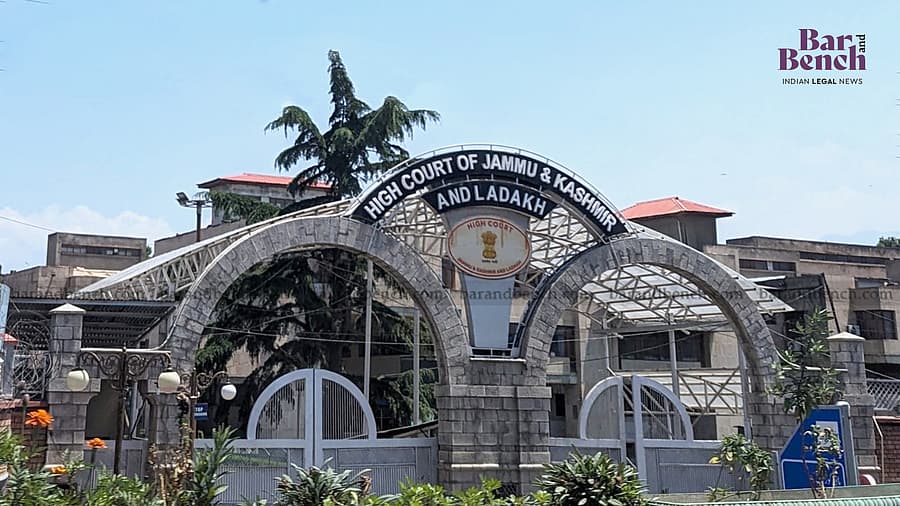
J&K High Court: Ghulam Rasool Rather v UT J&K Cheating Case Quashed
Summary
- The High Court of Jammu and Kashmir and Ladakh quashed a criminal cheating case against a landlord and school trustees.
- The case stemmed from allegations of undisclosed structural deficiencies after flash floods damaged a rented school building in 2013.
- Justice Sanjay Dhar ruled that flash floods are an 'act of God' and cannot be the sole basis for a criminal cheating charge.
- The court clarified that the petitioners were not responsible for the natural calamity or the building's quality in this context.
- This judgment limits criminal liability for landlords and property managers in India when damage results from natural disasters.
What Happened
By categorizing flash floods as an 'act of God,' the court effectively invoked the principle of force majeure, limiting the scope of criminal charges like cheating against property owners or managers when damage is caused by events beyond human control.
The High Court of Jammu and Kashmir and Ladakh recently addressed a criminal cheating case, Ghulam Rasool Rather v UT J&K, involving a landlord, school trustees, and an individual who had assumed management of a school. The complainant alleged that the landlord and trustees had failed to disclose structural deficiencies in the school building when its management was transferred to her. This accusation formed the basis of the cheating charge against the petitioners.
The core of the dispute arose from significant damage sustained by the school building following flash floods that occurred in the area in 2013. The complainant contended that these damages were evidence of pre-existing structural issues that should have been revealed, leading her to file a criminal complaint. This case highlights a common point of contention in property management transfers, particularly when unforeseen natural events impact the property shortly after a change in stewardship.
The Court's Ruling and Rationale
Justice Sanjay Dhar, presiding over the High Court of Jammu and Kashmir and Ladakh, decisively quashed the criminal cheating case, emphasizing that damage resulting from flash floods, characterized as an 'act of God,' cannot solely form the basis for such an accusation. The court clarified that the petitioners, comprising the landlord and school trustees, were primarily involved in transferring the school's management and its associated goodwill to the complainant. They were not deemed responsible for the inherent quality of the school building in a manner that would warrant criminal liability for damages caused by a natural calamity.
The court's observation underscored that the entry of flash flood waters into the building and the subsequent damage, while unfortunate, did not establish a case of criminal cheating against the petitioners. Justice Dhar specifically noted that the landlord and trustees had no control over or responsibility for the flash floods, which are unequivocally an 'act of God.' This ruling provides crucial clarity on the limits of flash floods landlord criminal liability, particularly when a natural event, rather than deliberate misrepresentation, is the proximate cause of property damage.
Legal Implications and Precedent
This judgment from the High Court of Jammu and Kashmir and Ladakh sets an important precedent regarding criminal liability in property disputes, especially those involving natural disasters. By categorizing flash floods as an 'act of God,' the court effectively invoked the principle of force majeure, limiting the scope of criminal charges like cheating against property owners or managers when damage is caused by events beyond human control. The ruling clarifies that for a cheating case to stand under India criminal law, there must be evidence of fraudulent intent or deliberate misrepresentation, not merely the occurrence of damage from a natural calamity rented property dispute.
Justice Sanjay Dhar's decision in the Ghulam Rasool Rather v UT J&K case reinforces that the absence of disclosure about structural deficiencies, when those deficiencies are only revealed or exacerbated by an 'act of God,' does not automatically translate into criminal culpability. This interpretation is vital for landlords, property managers, and legal practitioners, as it delineates the boundaries of responsibility and liability in the face of unforeseen natural events, preventing the misuse of criminal statutes for civil disputes arising from natural calamities. The High Court of Jammu and Kashmir and Ladakh act of God cheating ruling significantly impacts how such cases will be viewed in the future.
Practical Implications
This ruling clarifies that damage caused by an 'act of God' (like flash floods) cannot form the basis of a criminal cheating case against a landlord or property manager in India. Lawyers advising clients on property disputes or defending against criminal charges related to natural disasters should note this precedent limiting criminal liability in such circumstances.
Source
Source: Original reporting via Live Law
How does this affect you?
Get an AI analysis of this article grounded in your jurisdictions, practice areas, and any policy documents you've uploaded to Wansom.
Wansom is AI and can make mistakes.