
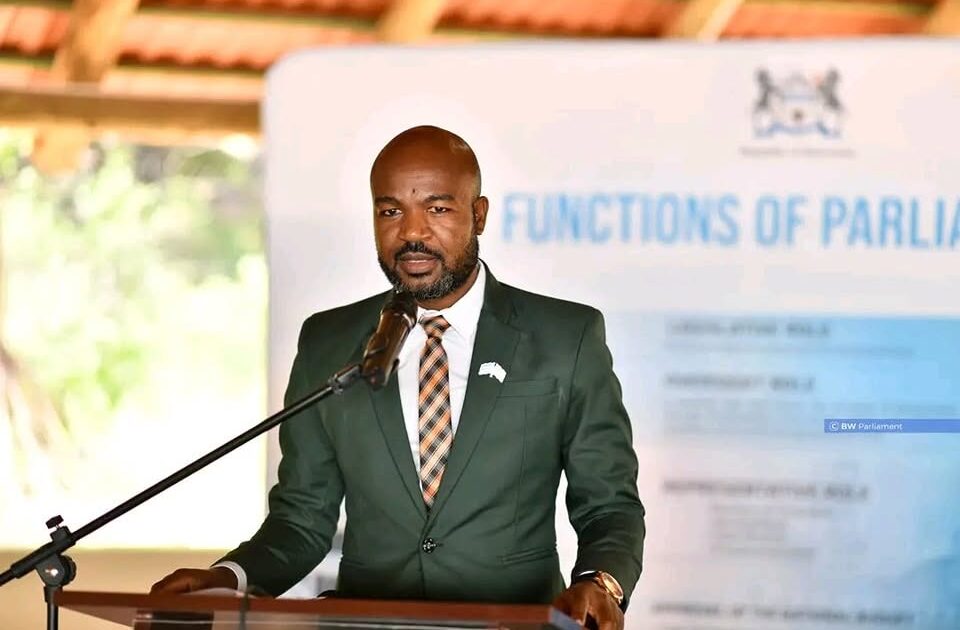
MP Challenges Security Camp Access Restrictions for Constituents
In Botswana, Selebi-Phikwe West MP Reuben Kaizer has accused the Umbrella for Democratic Change (UDC) government of repeating restrictive practices of its predecessor by denying him access to constituents within security camps, thereby challenging restrictions that he argues impede his representative duties. This accusation revives a long-standing dispute over the balance between national security imperatives and the fundamental rights of elected officials to engage with their constituents, particularly those residing in protected installations.
This matter holds considerable legal significance for practitioners, businesses, and the public, as it touches upon core principles of democratic representation, constitutional rights, and the scope of government authority over restricted areas. If an MP's access to constituents is unduly curtailed, it could undermine the effectiveness of parliamentary oversight and the democratic process itself. The dispute could potentially lead to a legal challenge, setting important precedents regarding the rights of elected representatives and the limitations on state power concerning access to security zones.
The legal context for this dispute involves several layers of Botswana law. Primarily, it implicates constitutional provisions related to freedom of movement, the rights and duties of Members of Parliament, and the principles of good governance. Additionally, administrative law governing the powers of government agencies to designate and manage security installations, as well as any specific legislation pertaining to military bases or protected areas, would be relevant. The court hierarchy, from the High Court to the Court of Appeal, would be the appropriate forum should this issue escalate to a judicial review or constitutional challenge. The key parties are MP Reuben Kaizer, the UDC government, and by historical comparison, the BDP government.
Attorneys representing elected officials, residents of security camps, or civil liberties organizations should closely monitor this situation. The outcome could clarify the legal boundaries of access to constituents in restricted areas and the extent to which national security concerns can override the duties of elected representatives. It is a critical case for understanding the interplay between security legislation and democratic principles in Botswana. Practitioners should be prepared to advise on potential legal avenues for challenging such restrictions, including constitutional litigation or administrative appeals, should the matter proceed to court. The excerpt does not report any specific legal action or outcome, only the MP's accusation.
How does this affect you?
Get an AI analysis of this article grounded in your jurisdictions, practice areas, and any policy documents you've uploaded to Wansom.
Finish Reading the Full Story and the Expert Analysis.
Wansom is AI and can make mistakes.