
Mozambique: Draft AI Education Regulation Framework Unveiled
Summary
- Mozambique is developing advanced regulations for artificial intelligence use in its education sector.
- The proposed framework is expected to be submitted to the Council of Ministers for approval this year.
- Minister of Education and Culture, Samaria Tovela, announced this development in Maputo on Wednesday.
- The regulation aims to provide guidelines for the responsible integration of AI into educational practices.
- Legal professionals should advise clients on potential compliance, ethical, and data privacy implications.
Upcoming Regulatory Framework
Legal professionals advising educational institutions, burgeoning EdTech companies, and public sector entities engaged in educational initiatives should closely monitor the progression of this legislation.
Mozambique is poised to introduce a comprehensive regulatory framework governing the application of artificial intelligence within its education sector. This significant legislative development is currently in an advanced phase of drafting, signaling the government's proactive approach to integrating emerging technologies responsibly into learning environments. The proposed regulation is slated for submission to the Council of Ministers before the end of the current year, where it will undergo a process of review and formal endorsement.
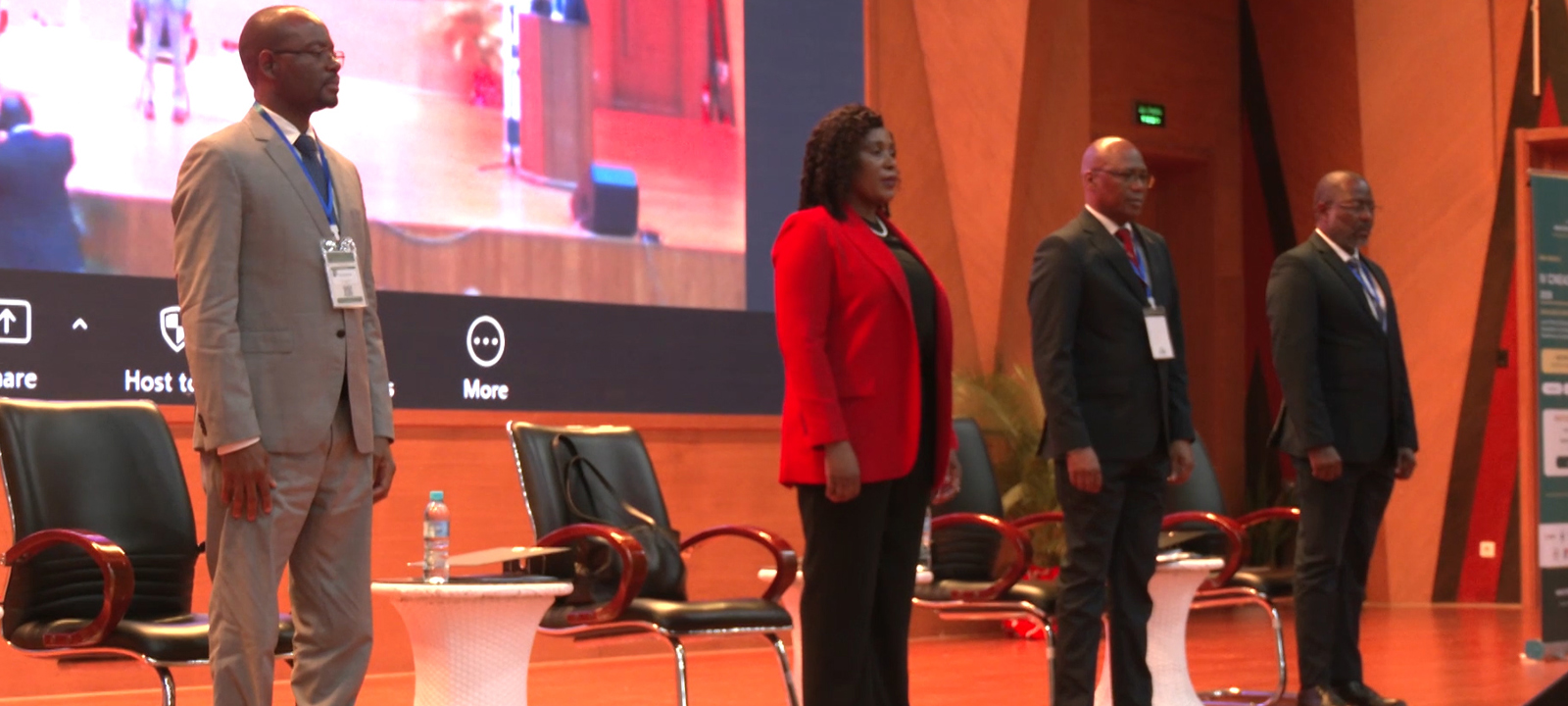
The announcement regarding this crucial Mozambique AI education regulation was made public this past Wednesday by Samaria Tovela, the Minister of Education and Culture. Speaking from Maputo, Minister Tovela provided insights into the government's commitment to establishing clear guidelines for AI use. Her remarks were delivered during the opening of the fourth iteration of an unspecified event, underscoring the ongoing dialogue and initiatives surrounding educational advancements in the nation. The impending submission to the Council of Ministers highlights the high-level attention this policy initiative is receiving, aiming to ensure that the integration of artificial intelligence in education aligns with national objectives and safeguards.
The Evolving Landscape of AI in Education
The move to regulate AI in education reflects a global trend where governments are grappling with the transformative potential and inherent challenges of these technologies. For Moçambique, the development of specific legislation for AI in education signifies a recognition of both the opportunities for enhanced learning experiences and the necessity to address potential risks, such as data privacy concerns, algorithmic bias, and equitable access. This policy initiative, often referred to as política IA sector educação Moçambique, aims to create a structured environment where innovation can flourish responsibly.
The proposed legislação IA educação Moçambique will likely set precedents for how educational institutions, from primary schools to universities, can deploy AI tools for teaching, assessment, and administrative tasks. It is anticipated to cover a broad spectrum of applications, ensuring that the benefits of artificial intelligence are harnessed while mitigating any adverse effects on students, educators, and the broader educational ecosystem. The advanced stage of its preparation suggests a thorough consultative process has been undertaken, involving various stakeholders to craft a robust and forward-looking framework.
Implications for Stakeholders and Legal Considerations
The impending approval of this regulatory framework by the Conselho de Ministros IA educação carries significant implications for a diverse range of stakeholders within Mozambique's educational landscape. Legal professionals advising educational institutions, burgeoning EdTech companies, and public sector entities engaged in educational initiatives should closely monitor the progression of this legislation. Proactive engagement with the evolving regulatory environment will be crucial for ensuring compliance and strategic planning.
Lawyers will need to prepare their clients for potential new compliance requirements that may emerge from the regulation, encompassing aspects such as data governance, ethical deployment of AI systems, and transparency in algorithmic decision-making. The focus on Samaria Tovela AI regulamentação underscores the government's intent to provide a clear operational guide. Understanding these forthcoming guidelines will be paramount for entities seeking to leverage AI technologies responsibly and effectively within Mozambique's education sector, ensuring that their practices align with the nation's legal and ethical standards once the legislation is formally approved.
Practical Implications
Lawyers advising educational institutions, EdTech companies, or public sector entities in Mozambique should closely monitor the progress of this impending regulation. They need to prepare clients for potential compliance requirements, ethical guidelines, and data privacy implications related to AI use in education once the legislation is approved.
Source
Source: Original reporting via O País
How does this affect you?
Get an AI analysis of this article grounded in your jurisdictions, practice areas, and any policy documents you've uploaded to Wansom.
Finish Reading the Full Story and the Expert Analysis.
Get the latest legal & regulatory intelligence in Mozambique
Wansom is AI and can make mistakes.