
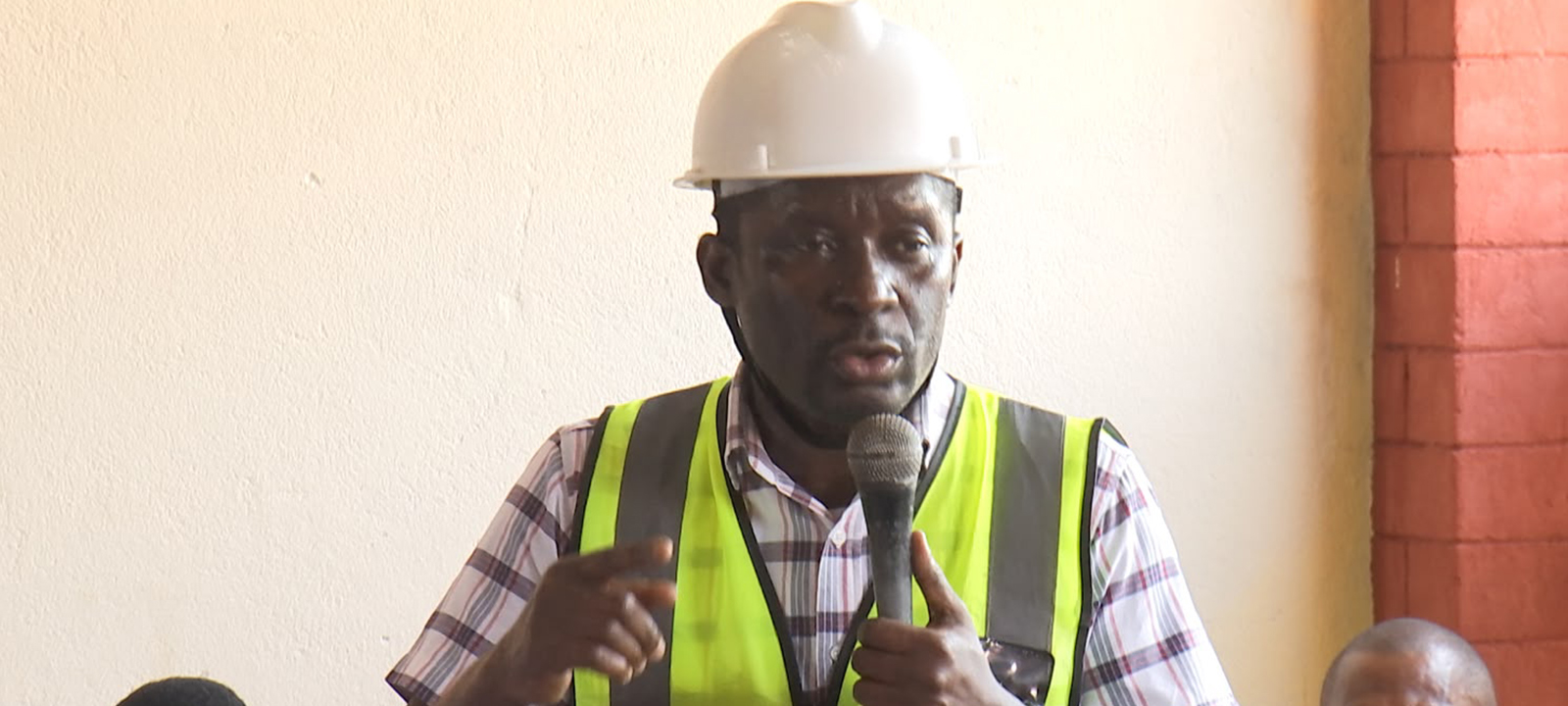
Quelimane Mayor: No Post-Freddy Reconstruction Funds Received
Summary
- Quelimane Mayor Manuel de Araújo reports the municipality has not received MZN 250 million in post-Cyclone Freddy reconstruction funds.
- Former President Filipe Nyusi had publicly promised these funds for Quelimane shortly after Cyclone Freddy's passage.
- Mayor de Araújo accuses the Mozambican government of discriminating against Quelimane in the allocation of disaster relief resources.
Unfulfilled Promise in Quelimane
The accusation of Mozambique government resource discrimination by Mayor Manuel de Araújo suggests a potential breach of equitable resource distribution principles, which are often enshrined in national laws and administrative guidelines governing public finance and disaster response.
Manuel de Araújo, the Mayor of Quelimane, has publicly asserted that the municipality has yet to receive any portion of the MZN 250 million in Quelimane post-Freddy reconstruction funds. This substantial sum was pledged by former President Filipe Nyusi following the devastating passage of Cyclone Freddy in 2023. The mayor's statement highlights a significant discrepancy between official commitments and the reality on the ground for the affected community.
According to de Araújo, the former head of state made this specific promise during his tenure, shortly after Cyclone Freddy wreaked havoc across parts of Mozambique. The expectation was that these funds would be crucial for the recovery and rebuilding efforts within Quelimane, a region severely impacted by the natural disaster. However, despite the public announcement and the critical need, the municipality reports a complete absence of the promised financial support.
This lack of disbursement has led Mayor de Araújo to level a serious accusation against the current government, alleging that the municipality is being subjected to discrimination in the allocation of vital resources. The MZN 250 million Quelimane was promised represents a significant investment intended to facilitate recovery, and its non-arrival raises questions about equitable distribution of Mozambique Cyclone Freddy aid across affected areas. The mayor's complaint underscores the challenges faced by local authorities in securing promised national support for critical infrastructure and community rebuilding.
Legal and Administrative Implications
The unfulfilled promise of MZN 250 million in Quelimane post-Freddy reconstruction funds carries considerable legal and administrative weight, particularly concerning government accountability and the principles of non-discrimination. When a head of state, such as former President Filipe Nyusi, makes a public commitment regarding disaster relief, it establishes an expectation of governmental obligation. While not always a direct contractual agreement, such pronouncements can create a strong basis for administrative challenge if not honored, especially when coupled with allegations of unequal treatment.
The accusation of Mozambique government resource discrimination by Mayor Manuel de Araújo suggests a potential breach of equitable resource distribution principles, which are often enshrined in national laws and administrative guidelines governing public finance and disaster response. Municipalities, as local administrative units, rely on central government support, particularly in the aftermath of major natural disasters like Cyclone Freddy. The withholding of promised Mozambique Cyclone Freddy aid, if proven discriminatory, could open avenues for legal scrutiny regarding the criteria and transparency of fund allocation processes.
This situation could provide grounds for administrative appeals or even judicial review, challenging the government's discretion in distributing reconstruction funds. Lawyers advising local authorities, non-governmental organizations, or international bodies involved in humanitarian aid might examine this case for precedents on enforcing governmental pledges and ensuring fair resource allocation. The MZN 250 million Quelimane promise, therefore, is not merely a financial matter but a test of governance and adherence to principles of fairness in public service.
Why This Matters for Governance and Trust
The ongoing dispute over Quelimane post-Freddy reconstruction funds extends beyond the immediate financial shortfall, raising critical questions about governmental transparency, accountability, and the relationship between central and local authorities in Mozambique. The unfulfilled promise of MZN 250 million Quelimane was to receive directly impacts the municipality's ability to recover from a major natural disaster, potentially prolonging suffering and hindering development in the affected region. This situation can erode public trust in government institutions and their capacity to deliver on commitments, especially during times of crisis.
Mayor Manuel de Araújo's funds complaint, specifically his accusation of Mozambique government resource discrimination, highlights a broader concern about equitable development and political impartiality in resource distribution. If municipalities perceived as politically unfavorable are systematically denied promised Mozambique Cyclone Freddy aid, it undermines the principles of good governance and can exacerbate regional disparities. This could have long-term consequences for national cohesion and the effectiveness of future disaster preparedness and response strategies.
For legal practitioners and policy advocates, this case serves as a crucial indicator of the challenges in ensuring that disaster relief funds reach their intended beneficiaries without undue political influence. The precedent set by how this complaint is addressed will be significant for future instances of government pledges and resource allocation following natural calamities. It underscores the importance of robust legal frameworks and oversight mechanisms to ensure that promises like the one made by former President Filipe Nyusi for Quelimane are honored, fostering both recovery and trust.
Practical Implications
This development signals potential grounds for administrative or legal challenges against the Mozambican government concerning the allocation of disaster relief funds and alleged discrimination. Lawyers advising municipalities, NGOs, or international aid organizations should monitor this situation for precedents on government accountability and resource distribution following natural disasters, and assess potential avenues for legal recourse or advocacy.
Source
Source: Original reporting via O País.
How does this affect you?
Get an AI analysis of this article grounded in your jurisdictions, practice areas, and any policy documents you've uploaded to Wansom.
Wansom is AI and can make mistakes.