
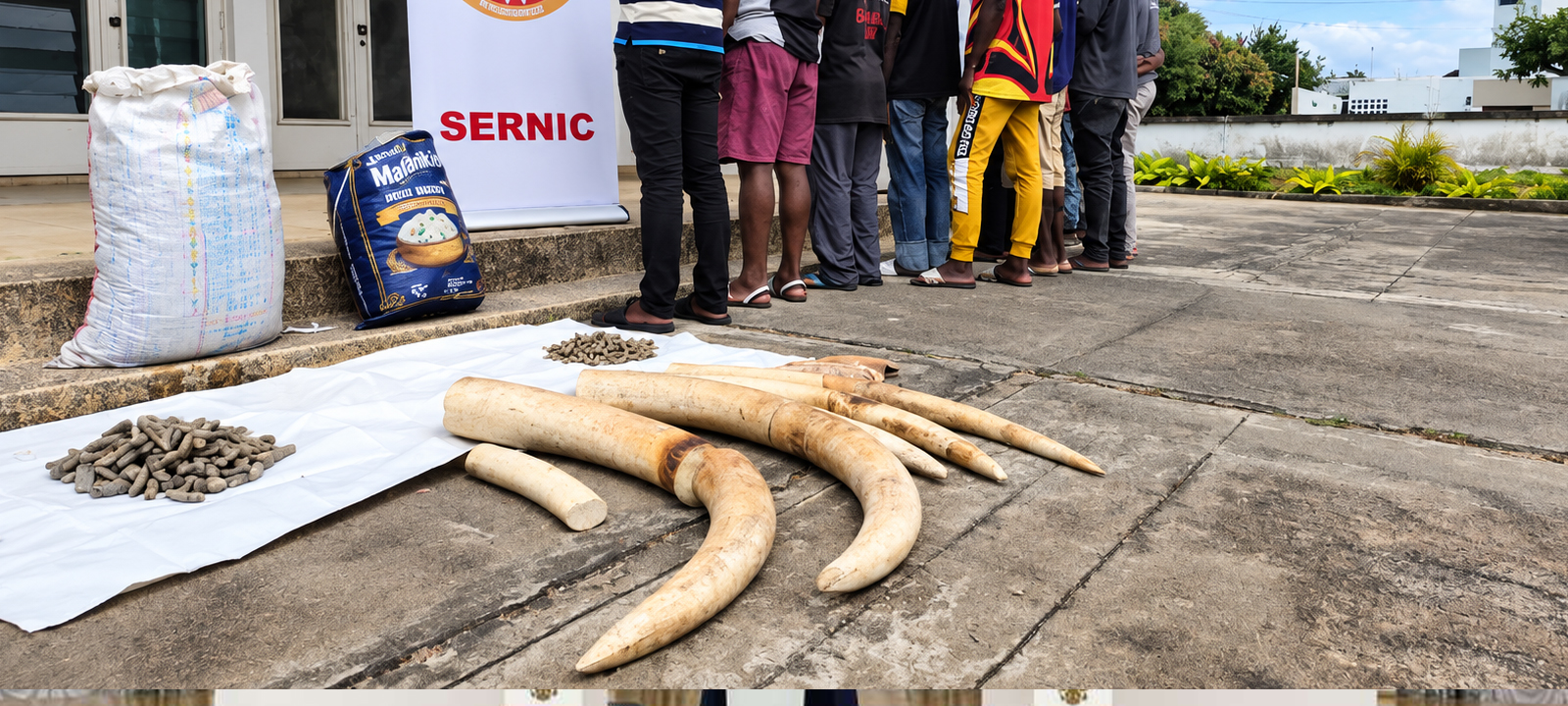
SERNIC: Mozambique Ivory Trafficking Arrests Inhambane Net 12, Seize 5 Tusks
Summary
- Twelve individuals were arrested in Inhambane, Mozambique, for their alleged involvement in attempting to illegally sell products from protected species.
- The Serviço Nacional de Investigação Criminal (SERNIC) conducted the operation, seizing five ivory tusks, hippopotamus teeth, other items, and 13,200 rands.
- SERNIC reported that the arrested group was actively seeking Asian buyers for the illicit wildlife products.
- This incident highlights SERNIC's active enforcement against wildlife trafficking and illegal trade in protected species in Mozambique.
What Happened
This incident signals active enforcement by SERNIC against wildlife trafficking in Mozambique, necessitating a thorough review of compliance with protected species laws for businesses.
A significant operation targeting illegal wildlife trade recently culminated in the arrest of twelve individuals in Inhambane, Mozambique. The Serviço Nacional de Investigação Criminal (SERNIC) apprehended the group, who are suspected of attempting to illegally commercialize products derived from protected species. This incident underscores ongoing efforts to combat Mozambique ivory trafficking arrests Inhambane, a critical hub for such illicit activities.
During the enforcement action, authorities confiscated a range of contraband items. Among the seized goods were five elephant ivory tusks, along with hippopotamus teeth. Investigators also secured other products, which remain under active investigation to determine their nature and origin. Additionally, a sum of 13,200 rands was recovered by SERNIC officers during the operation.
The Scope of the Illicit Trade
The individuals taken into custody are believed to have been actively seeking out buyers from Asian markets for the illicit goods. This detail was confirmed by SERNIC, the national criminal investigation service, which indicated the group's specific focus on connecting with foreign purchasers for their illegal merchandise. The agency's statement highlights the international dimension of the Inhambane illegal trade protected species, linking local enforcement actions to broader global networks.
SERNIC further acknowledged that the group was indeed targeting Asian buyers, and the agency admits that... This partial disclosure from SERNIC suggests ongoing complexities in understanding the full scope of the trafficking operation and its connections.
Enforcement and Legal Context
This recent enforcement action by SERNIC represents a clear signal of Mozambique's commitment to tackling wildlife crime. The Serviço Nacional de Investigação Criminal plays a pivotal role in Mozambique anti-poaching operations, working to dismantle networks involved in the illegal trade of protected species. Such interventions are crucial in upholding the Wildlife trafficking law Mozambique, which aims to safeguard the nation’s rich biodiversity from exploitation.
The successful apprehension of twelve suspects and the Elephant tusks seizure Inhambane demonstrate SERNIC's active presence and investigative capabilities in regions prone to wildlife trafficking. These operations are not isolated incidents but form part of a sustained effort to disrupt the supply chains of illegal wildlife products, from poaching to international distribution. The focus on commercialization attempts indicates a strategic approach to target the financial incentives driving these crimes.
Why It Matters
The recent arrests in Inhambane serve as a stark reminder of the persistent threat posed by illegal wildlife trade to Mozambique's natural heritage. The involvement of a significant number of individuals and the seizure of valuable items like ivory tusks and hippopotamus teeth underscore the scale and profitability that traffickers perceive in these illicit activities. Such incidents deplete endangered populations and undermine conservation efforts across the country.
For businesses operating within Mozambique, particularly those in logistics, import/export, or tourism, this development signals an intensified regulatory environment. This incident signals active enforcement by SERNIC against wildlife trafficking in Mozambique, necessitating a thorough review of compliance with protected species laws for businesses. Furthermore, compliance officers should heighten their vigilance for transactions potentially linked to illegal wildlife trade, especially in affected regions like Inhambane, to mitigate legal and reputational risks.
Practical Implications
This incident signals active enforcement by SERNIC against wildlife trafficking in Mozambique. Lawyers should advise clients in sectors like logistics, import/export, or tourism to review compliance with protected species laws, while compliance officers should heighten vigilance for transactions linked to illegal wildlife trade, especially in affected regions.
Source
How does this affect you?
Get an AI analysis of this article grounded in your jurisdictions, practice areas, and any policy documents you've uploaded to Wansom.
Finish Reading the Full Story and the Expert Analysis.
Get the latest legal & regulatory intelligence in Mozambique
Wansom is AI and can make mistakes.