
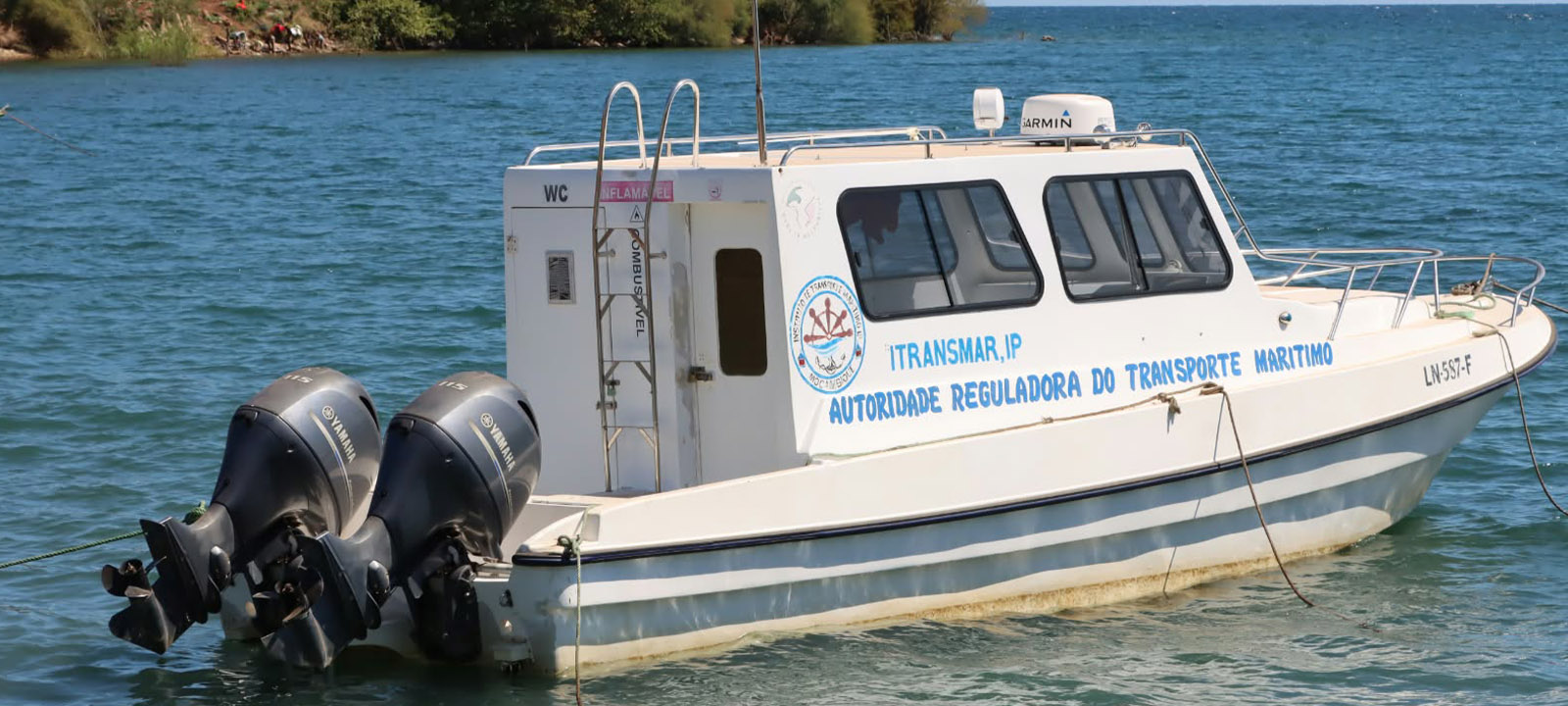
Mozambique: Zero Tolerance Declared in Illegal Fishing Crackdown
Summary
- Mozambique's Minister of Agriculture, Environment, and Fisheries, Roberto Mito Albino, announced intensified efforts against illegal fishing.
- The crackdown specifically targets the Cahora Bassa reservoir in Tete province.
- A joint force has been deployed as part of the government's enhanced Mozambique fisheries law enforcement.
- The government has declared a policy of "zero tolerance" for contraband alongside its anti-illegal fishing initiatives.
- These measures were highlighted during the 1st Session of the Almond Committee.
What Happened
For businesses and individuals operating within Mozambique's fishing and maritime trade sectors, Minister Roberto Mito Albino's recent statements regarding the intensified Pesca ilegal Moçambique crackdown carry significant implications.
Minister Roberto Mito Albino, who oversees the portfolios of Agriculture, Environment, and Fisheries, recently underscored the Mozambican government's proactive stance against illicit fishing activities. His remarks, delivered during the inaugural session of the Almond Committee, highlighted a concerted effort to curb these practices nationwide. The Minister's statement signals a reinforced commitment to safeguarding the country's aquatic resources from exploitation.
A particular focus of this intensified campaign is the Cahora Bassa reservoir, a significant body of water located within Tete province. This area has been specifically identified as a key battleground in the broader Mozambique illegal fishing crackdown. The government's emphasis on this particular region suggests a strategic deployment of resources to protect vital freshwater ecosystems and the livelihoods dependent on them.
Albino further revealed that a collaborative "joint force" has been deployed to tackle these challenges. This multi-agency approach is central to the government's strategy for Mozambique fisheries law enforcement, aiming to enhance surveillance, interdiction, and prosecution capabilities. The declaration of "zero tolerance" for contraband, alongside the fight against illegal fishing, underscores a comprehensive Mozambique anti-contraband policy designed to address various forms of illicit trade impacting the nation's economy and environment.
Policy and Enforcement Context
The pronouncements by Minister Roberto Mito Albino reflect a significant escalation in Mozambique's efforts to combat illegal fishing and associated contraband. The government's explicit declaration of "zero tolerance" for contraband indicates a hardening of its stance, suggesting that authorities will pursue stringent penalties and enforcement measures against those found engaging in such activities. This policy shift is designed to deter illicit operations and protect legitimate economic sectors.
The deployment of a "joint force" for Mozambique fisheries law enforcement implies a coordinated strategy involving various governmental bodies, potentially including maritime police, environmental agencies, and even military units. Such a collaborative framework is often employed to leverage diverse expertise and resources, making enforcement actions more effective and far-reaching. This integrated approach aims to create a more formidable deterrent against individuals and organizations involved in illegal fishing and smuggling.
The specific targeting of the Cahora Bassa reservoir in Tete province highlights the regional importance of this crackdown. Cahora Bassa illegal fishing not only depletes fish stocks but can also have broader ecological impacts and undermine local economies that rely on sustainable fishing practices. By focusing on critical areas, the government aims to demonstrate its resolve and achieve tangible results in its broader Mozambique anti-contraband policy.
Significance for Stakeholders
For businesses and individuals operating within Mozambique's fishing and maritime trade sectors, Minister Roberto Mito Albino's recent statements regarding the intensified Pesca ilegal Moçambique crackdown carry significant implications. The heightened enforcement and the "zero tolerance" stance on contraband signal an elevated risk environment for non-compliance. Legal professionals advising clients in these industries should immediately alert them to the increased scrutiny and potential for severe penalties.
Companies involved in the supply chain, from harvesting to processing and distribution, must now meticulously review their operations to ensure full adherence to national and international regulations. Compliance officers, in particular, should conduct thorough internal audits to identify and mitigate any potential exposure to illegal fishing or contraband activities. This proactive approach is crucial to avoid legal repercussions, financial penalties, and reputational damage in light of the government's firm stance.
The focus on Cahora Bassa illegal fishing and the broader Mozambique anti-contraband policy means that even seemingly minor infractions could face robust enforcement. Stakeholders must understand that the government's commitment, as articulated by Minister Albino, is not merely rhetorical but indicative of concrete actions and increased surveillance. Ensuring transparency and legality across all operations is paramount to navigating this evolving regulatory landscape successfully.
Practical Implications
Lawyers advising clients in Mozambique's fishing or maritime trade sectors should alert them to heightened enforcement risks. Compliance officers must review their operations and supply chains for any potential exposure to illegal fishing or contraband activities to mitigate penalties.
Source
Source: Original reporting via O País.
How does this affect you?
Get an AI analysis of this article grounded in your jurisdictions, practice areas, and any policy documents you've uploaded to Wansom.
Finish Reading the Full Story and the Expert Analysis.
Get the latest legal & regulatory intelligence in Mozambique
Wansom is AI and can make mistakes.