
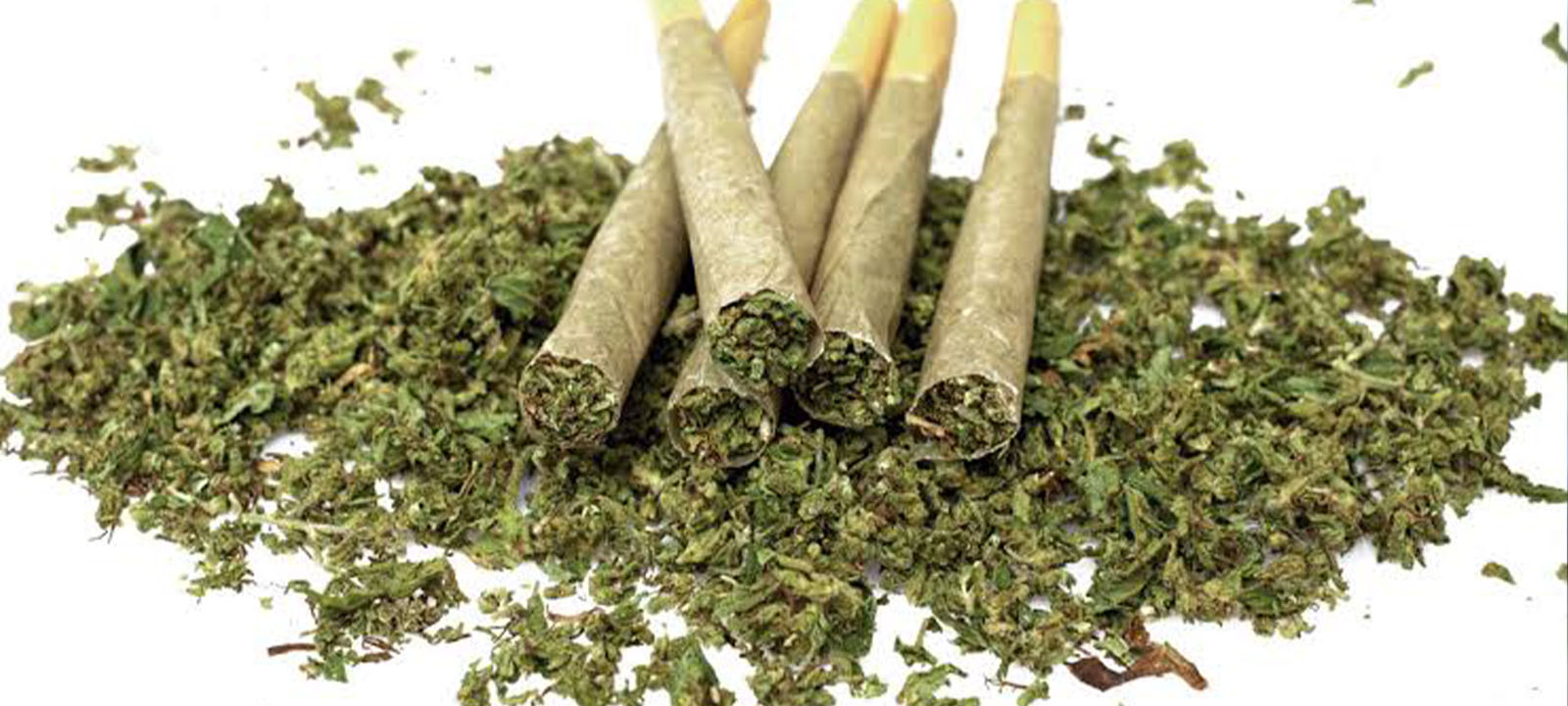
Mozambique: Drug Use Leads to 18K Health Service Visits in H1
Mozambican national authorities announced that 17,783 individuals sought health services for drug and psychotropic substance use in the first half of the year, representing a significant 58.6% increase compared to the same period last year. This alarming statistic was revealed during a press conference for the "Report on the Situation of Consumption and Illicit Drug Trafficking," underscoring a rapidly escalating public health crisis within the country. The sheer volume of individuals requiring medical attention for substance abuse places immense strain on Mozambique's already stretched healthcare infrastructure and points to a deeper societal challenge.
The legal significance of this surge is multifaceted, impacting public health policy, criminal justice, and social welfare. For practitioners, it signals a growing need for legal expertise in areas related to drug rehabilitation, mental health law, and the intersection of public health and criminal justice. The increased demand for health services due to drug use often correlates with a rise in drug-related offenses, including possession, trafficking, and associated crimes, which will inevitably place greater pressure on law enforcement and the judicial system. Businesses, particularly those in healthcare, pharmaceuticals, or social services, may find themselves directly or indirectly affected by this trend, necessitating a review of their operational strategies and corporate social responsibility initiatives.
The legal context for addressing drug use and trafficking in Mozambique is primarily governed by Law No. 1/2019, which establishes the Legal Regime of Drugs, Psychotropic Substances, and Precursors. This comprehensive legislation outlines prohibitions, penalties, and measures for prevention and treatment. Additionally, the Mozambican Penal Code addresses various drug-related criminal offenses. The national authorities involved in combating this issue include the Ministry of Health, responsible for treatment and prevention programs, the Ministry of Interior and the National Criminal Investigation Service (SERNIC) for law enforcement, and the National Anti-Drug Office (GABINFO) for coordination and policy. Mozambique is also a signatory to international conventions on drug control, such as the UN Single Convention on Narcotic Drugs and the Convention on Psychotropic Substances, which influence national policy.
Attorneys should closely monitor legislative and policy developments related to drug control and public health in Mozambique, as the government is likely to respond to this escalating crisis with new measures or stricter enforcement. For clients involved in healthcare, this could mean opportunities or obligations related to treatment and rehabilitation services. For businesses generally, understanding the legal implications of drug use in the workplace and implementing appropriate policies is crucial. Furthermore, legal professionals may be called upon to advise on compliance with anti-money laundering regulations, given the strong link between illicit drug trafficking and financial crime. The reported increase highlights a critical area for legal and policy intervention, demanding proactive engagement from the legal community.
How does this affect you?
Get an AI analysis of this article grounded in your jurisdictions, practice areas, and any policy documents you've uploaded to Wansom.
Finish Reading the Full Story and the Expert Analysis.
Get the latest legal & regulatory intelligence in Mozambique
Wansom is AI and can make mistakes.