
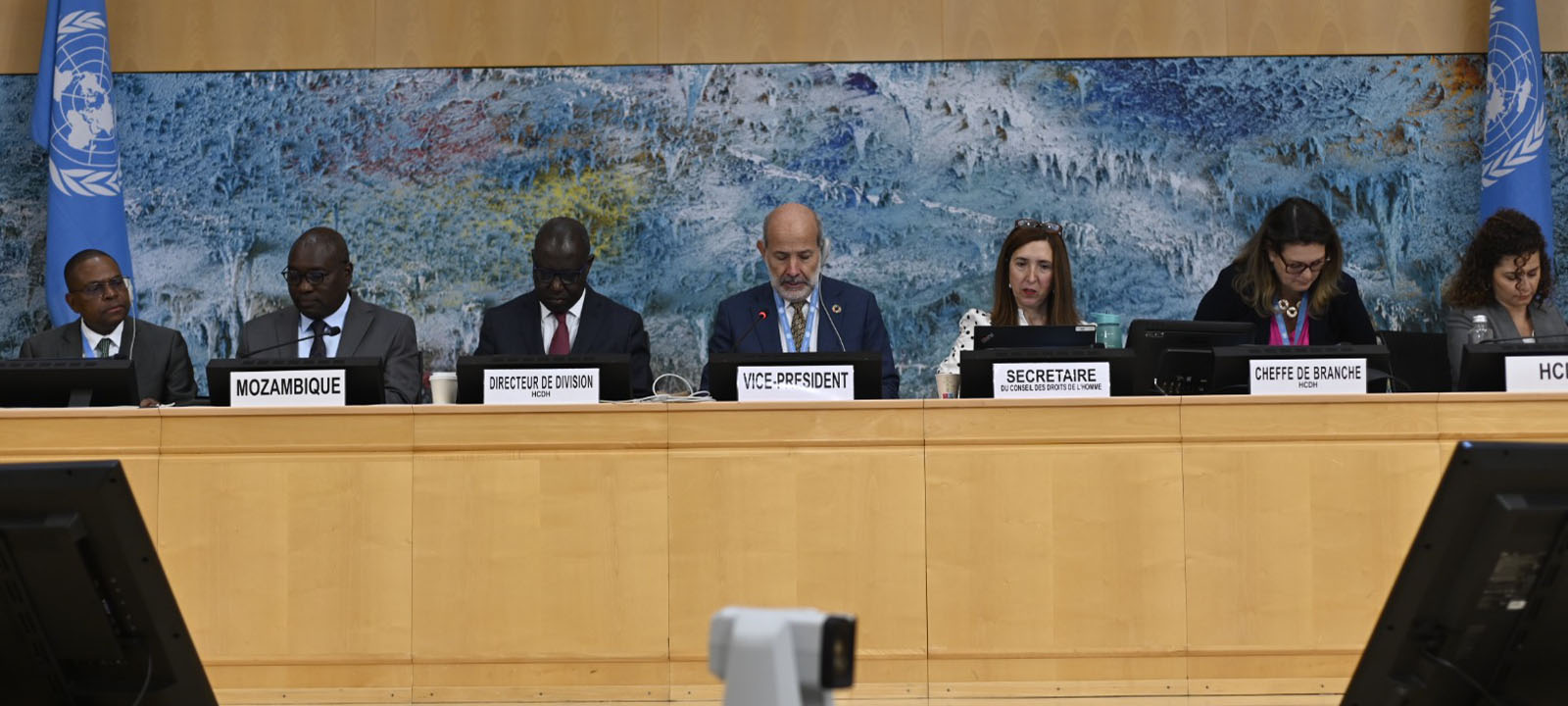
Mozambique Accepts 284 UN Human Rights Recommendations, Commits to Justice Reforms
In Geneva, Switzerland, the Mozambican government yesterday formally committed to enhancing human rights protection by accepting 284 out of 292 recommendations from 109 delegations during the fourth cycle of the United Nations Universal Periodic Review (UPR). This significant international engagement saw Mozambique reaffirm its dedication to promoting and safeguarding human rights, specifically pledging to implement measures in critical areas such as access to justice, the rule of law, and the protection of vulnerable groups. The acceptance of these recommendations signals a clear intent by the Mozambican authorities to align its domestic policies and legal frameworks with international human rights standards.
This commitment carries substantial legal significance for practitioners, businesses, and the public in Mozambique. The acceptance of these recommendations, while not immediately creating directly enforceable domestic law, establishes strong political and moral obligations for the government. It is likely to serve as a catalyst for legislative reforms, policy adjustments, and institutional strengthening aimed at improving human rights compliance. For legal professionals, this could mean new or amended laws related to judicial independence, due process, protection against discrimination, and the rights of marginalized communities. It also provides a robust framework for civil society organizations and international bodies to monitor Mozambique's progress and hold the government accountable for its pledges.
The legal context for this development is rooted in international human rights law, particularly the Universal Periodic Review mechanism of the UN Human Rights Council, which is a state-driven process involving a review of the human rights records of all UN Member States. Domestically, these commitments will interact with Mozambique's constitutional framework, which enshrines fundamental human rights, and various statutes governing the judiciary, law enforcement, and social welfare. The key parties involved include the Mozambican government, the United Nations (through its Human Rights Council and the UPR process), and the 109 member state delegations that presented the recommendations. The outcome of this matter, in terms of specific legislative or policy changes, is not yet reported, but the commitment itself is a significant step.
Practitioner takeaway: Attorneys in Mozambique should closely monitor the legislative and policy landscape for reforms stemming from these UPR recommendations, particularly in areas concerning human rights, public law, and administrative justice. This is especially relevant for lawyers representing individuals or groups whose rights may be impacted, as well as those advising non-governmental organizations. Businesses operating in Mozambique should also take note, as these commitments may influence corporate social responsibility expectations, labour laws, environmental regulations, and community engagement practices. Proactive engagement with these evolving standards will be crucial for ensuring compliance and mitigating legal and reputational risks.
How does this affect you?
Get an AI analysis of this article grounded in your jurisdictions, practice areas, and any policy documents you've uploaded to Wansom.
Finish Reading the Full Story and the Expert Analysis.
Get the latest legal & regulatory intelligence in Mozambique
Wansom is AI and can make mistakes.