
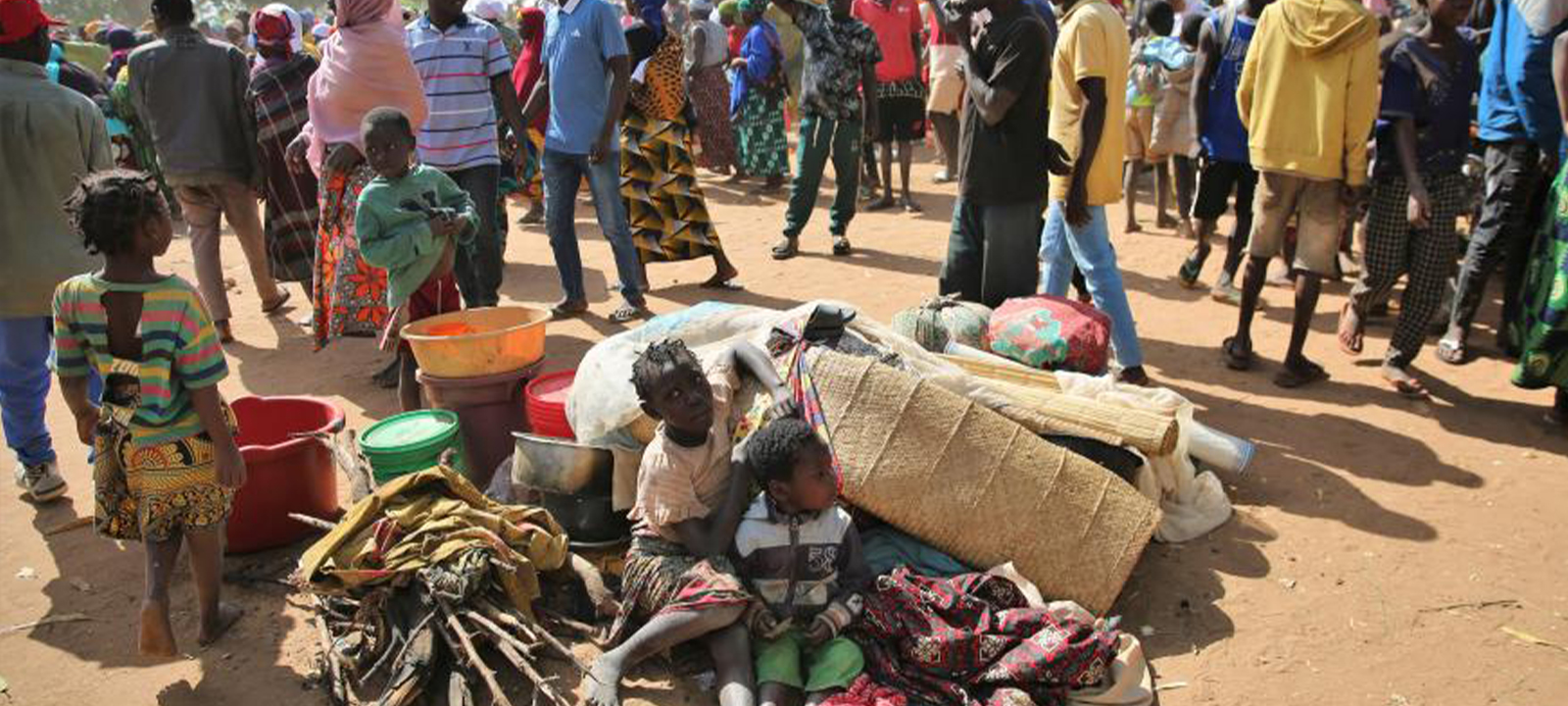
Mozambique: 2024 Child Recruitment by Armed Groups Surges
Summary
- Over 400 children were recruited by armed groups in Mozambique during 2024.
- An official report confirmed 403 child recruitments, including 71 girls, amidst escalating violence in Cabo Delgado.
- Additionally, 468 children were abducted by armed entities in the same period.
- These incidents contribute to ongoing displacement and severe humanitarian needs in northern Mozambique.
- The recruitment and abduction of children constitute grave violations of international humanitarian law.
Escalating Crisis in Northern Mozambique
Lawyers and compliance officers should note these incidents, as they necessitate heightened human rights due diligence for clients operating in or funding activities within conflict-affected regions.
An official report has revealed a disturbing surge in the recruitment of children by armed groups across Mozambique during 2024, with over 400 minors confirmed to have been forcibly enlisted. This alarming development unfolds against a backdrop of intensifying violence in the northern province of Cabo Delgado, a region that continues to grapple with widespread displacement and acute humanitarian needs. The report specifically details that 403 children were confirmed as recruited, including 71 girls, highlighting the gendered impact of the conflict.
Beyond recruitment, the crisis is further compounded by a significant number of abductions, with 468 children reported kidnapped by armed entities. These figures underscore the severe and ongoing threat to child protection in Mozambique, particularly within the conflict-affected areas of the north. The persistent instability fuels a dire humanitarian crisis, placing immense pressure on vulnerable populations and exacerbating the risks faced by children caught in the crossfire. The documented cases of Mozambique child recruitment armed groups 2024 paint a grim picture of the human cost of the protracted conflict, directly contributing to the tragic phenomenon of Cabo Delgado child soldiers.
Grave Breaches of International Law
The documented recruitment and abduction of children by armed groups in Mozambique constitute grave violations of international humanitarian law and international criminal law. Under various international statutes, including the Rome Statute of the International Criminal Court, the enlistment or conscription of children under the age of 15 into armed forces or groups, or their use to participate actively in hostilities, is explicitly recognized as a war crime. The abduction of children, particularly in conflict zones, can also fall under the purview of crimes against humanity, depending on the context and scale.
These actions represent a profound disregard for the fundamental rights and protections afforded to children in armed conflict. International conventions, such as the Convention on the Rights of the Child and its Optional Protocol on the Involvement of Children in Armed Conflict, unequivocally prohibit such practices, aiming to safeguard minors from the devastating impacts of war. The official report from Mozambique, detailing hundreds of cases of child recruitment and abduction, therefore points to systemic failures in upholding these critical legal frameworks and underscores the urgent need for accountability for those perpetrating such egregious acts against children in the context of the ongoing child protection Mozambique violence.
Broader Implications for Human Rights and Due Diligence
The escalating human rights violations, particularly concerning child recruitment and abduction in Mozambique's Cabo Delgado, carry significant international criminal law implications that extend beyond the immediate perpetrators. Lawyers and compliance officers should note these incidents, as they necessitate heightened human rights due diligence for clients operating in or funding activities within conflict-affected regions. Companies and organizations with a presence or supply chains in areas like northern Mozambique face increased scrutiny regarding their potential association with, or contribution to, human rights abuses, even indirectly.
Failure to conduct robust due diligence can expose entities to severe reputational damage, legal liabilities, and financial penalties under various national and international frameworks designed to combat complicity in war crimes and other grave human rights violations. The ongoing humanitarian crisis Mozambique children face, exacerbated by these recruitment and abduction trends, demands a proactive approach to risk assessment and mitigation. Ensuring that operations do not inadvertently support or benefit from the exploitation of children, or contribute to the conditions that enable such abuses, is paramount for maintaining ethical standards and legal compliance in a complex and volatile environment.
Practical Implications
Lawyers and compliance officers should note the escalating human rights violations, particularly concerning child recruitment and abduction in Mozambique's Cabo Delgado, as these incidents carry significant international criminal law implications and necessitate heightened human rights due diligence for clients operating in or funding activities within conflict-affected regions.
Source
Source: Original reporting via O País.
How does this affect you?
Get an AI analysis of this article grounded in your jurisdictions, practice areas, and any policy documents you've uploaded to Wansom.
Wansom is AI and can make mistakes.