
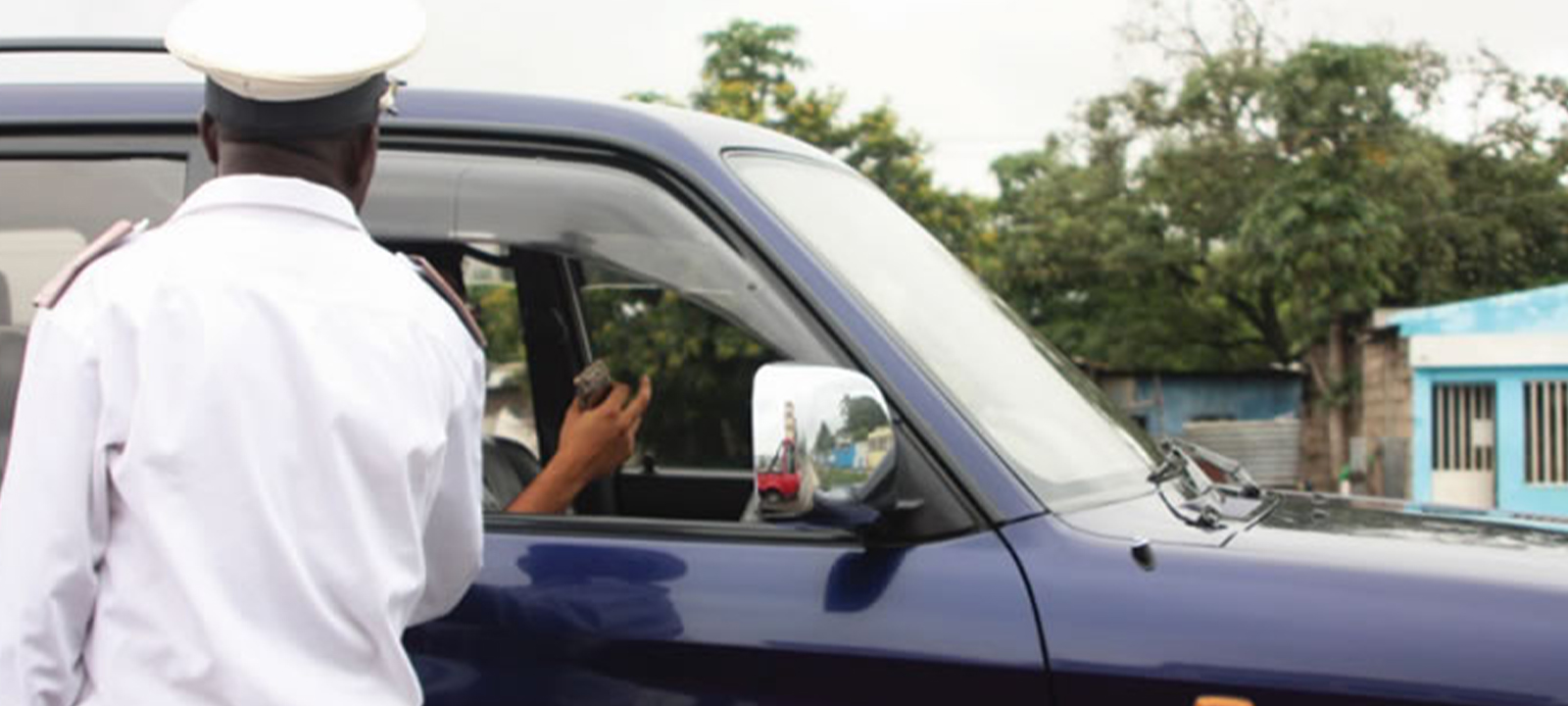
Moçambique: Inquérito Suspende Funcionários de Fiscalização
Summary
- Mozambican authorities have temporarily suspended all staff at vehicle inspection posts.
- The suspensions are linked to an ongoing inquiry into an overloaded vehicle's circulation.
- A dedicated inquiry team has been formed to investigate the incident.
- The team's mandate includes determining potential responsibilities of the involved personnel.
Immediate Actions in Mozambique
The inquiry's explicit aim to determine 'potential responsibilities' suggests that individuals found to have neglected their duties or contributed to the breach of regulations could face significant consequences.
Authorities in Mozambique have taken decisive action by temporarily suspending all personnel assigned to vehicle inspection posts. These posts are specifically tasked with the critical function of controlling and monitoring vehicles on the nation's roads. The comprehensive suspension comes as a direct consequence of an ongoing official inquiry, which has been initiated to thoroughly investigate the conditions and decisions that led to the operation of a vehicle carrying an excessive load.
The temporary removal of these employees from their duties underscores the seriousness with which the authorities are approaching the incident. It signals an immediate response aimed at ensuring impartiality and facilitating a transparent investigation into potential lapses in the established vehicle control protocols. The measure affects every individual who was part of the inspection teams at the relevant checkpoints.
This move highlights a focused effort to address concerns surrounding road safety and regulatory compliance within the country. The suspensions are a preliminary step, allowing the investigative process to proceed unimpeded as officials seek to understand the full scope of how an overloaded vehicle managed to bypass standard checks and continue its journey.
Mandate of the Investigation
Central to these developments is the establishment of a dedicated inquiry team, specifically constituted to delve into the particulars of the incident. This team's primary objective is to meticulously investigate the circumstances surrounding the circulation of the overloaded vehicle, aiming to uncover all contributing factors and operational deficiencies. Their mandate extends beyond merely identifying the event itself; it encompasses a detailed examination of the processes and decisions made at the inspection points.
The inquiry team is tasked with a crucial responsibility: to determine any potential liabilities among the individuals involved in the vehicle control process. This includes assessing whether established procedures were followed, if there were any derelictions of duty, or if systemic issues contributed to the vehicle's unhindered passage despite its excessive load. The findings of this investigation are expected to shed light on the exact sequence of events and the roles played by various personnel.
This rigorous investigative approach underscores the commitment to upholding road safety standards and ensuring that vehicles adhere strictly to capacity regulations. The focus on identifying responsibilities is a key component of preventing future occurrences and reinforcing the importance of diligent fiscalização rodoviária across Mozambique.
Implications for Public Accountability
The temporary suspension of all staff from the implicated vehicle inspection posts sends a clear message regarding public accountability for officials in Mozambique. This action indicates a heightened level of scrutiny directed at public servants responsible for critical regulatory functions, particularly those impacting public safety. The authorities are signaling that failures in oversight and control will not be overlooked, and that a thorough examination of conduct will be undertaken.
This development foregrounds the principle that public officials, especially those in roles of enforcement and inspection, are held to a high standard of diligence and integrity. The inquiry's explicit aim to determine 'potential responsibilities' suggests that individuals found to have neglected their duties or contributed to the breach of regulations could face significant consequences. It reinforces the expectation that all members of the inspection posts must perform their roles with utmost care and adherence to established protocols.
The emphasis on accountability for public officials involved in vehicle inspection in Mozambique is a critical step towards fostering greater trust in governmental institutions and ensuring that regulatory frameworks are effectively enforced. It serves as a reminder that the proper execution of duties at fiscalização points is paramount for maintaining order and safety on the nation's roads.
Broader Impact on Road Safety and Governance
The actions taken by Mozambican authorities, including the widespread suspensions and the launch of a comprehensive inquiry, carry significant implications for the broader landscape of road safety and governance within the country. By rigorously investigating how an overloaded vehicle was permitted to circulate, the government is demonstrating a commitment to addressing systemic issues that could compromise public safety. This initiative could lead to a re-evaluation and strengthening of existing vehicle control mechanisms and inspection protocols.
Furthermore, this development is likely to instill a greater sense of urgency and responsibility among all personnel involved in road transport regulation and enforcement. The prospect of thorough investigations and the determination of individual responsibilities can serve as a powerful deterrent against negligence or corruption at inspection points. It underscores the vital role that effective fiscalização rodoviária plays in preventing accidents and ensuring the integrity of the transport sector.
Ultimately, these measures are poised to contribute to a more robust regulatory environment in Mozambique. The focus on accountability for those in public service, particularly concerning adherence to vehicle capacity and safety standards, is crucial for enhancing public confidence and promoting a culture of compliance across the nation's road networks. This proactive stance aims to safeguard lives and property by ensuring that all vehicles meet necessary safety requirements before being allowed to operate.
Practical Implications
This development signals increased scrutiny and accountability for public officials involved in vehicle inspection in Mozambique. Lawyers advising transport companies or those facing regulatory investigations should anticipate more rigorous enforcement and potential liability for non-compliance with road safety and vehicle capacity regulations.
Source
Source: Original reporting via O País
How does this affect you?
Get an AI analysis of this article grounded in your jurisdictions, practice areas, and any policy documents you've uploaded to Wansom.
Finish Reading the Full Story and the Expert Analysis.
Get the latest legal & regulatory intelligence in Mozambique
Wansom is AI and can make mistakes.