
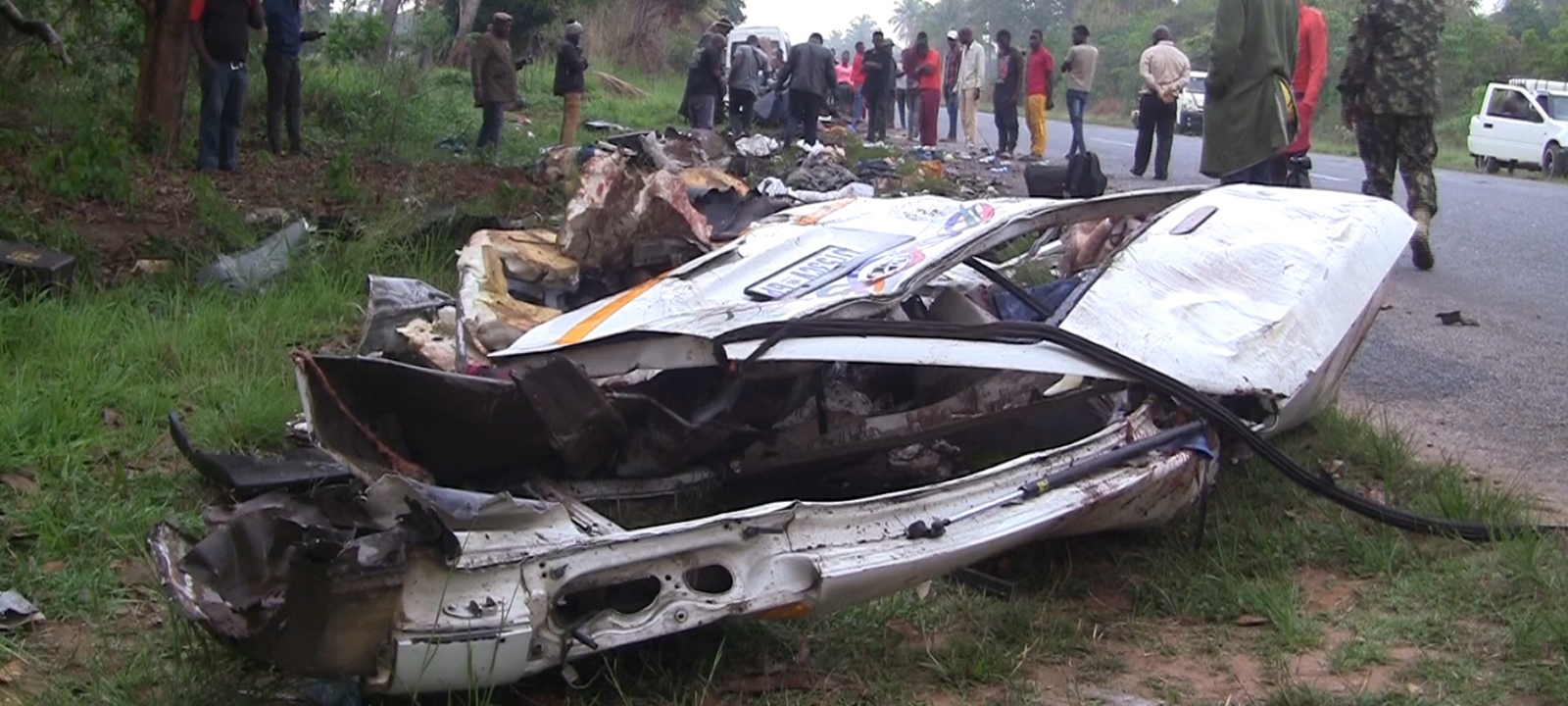
Mozambican Jurist: Legal Basis for State Accountability in Zavala Accident
The Association of Driving Schools in Mozambique is questioning the release of a military vehicle involved in an accident in Zavala by the Ministry of Defense's workshop, despite it allegedly having mechanical problems. This public challenge, highlighted by jurist Alexandre de Sousa, points to a potential basis for state accountability for errors committed by its agents, raising significant concerns about public safety and the operational standards of state-owned vehicles. The incident underscores the critical importance of proper maintenance and adherence to safety protocols within government entities, particularly when their operations can directly impact civilian lives and property.
This development carries substantial legal significance for practitioners, businesses, and the public in Mozambique. It brings into sharp focus the principle of state responsibility (responsabilidade civil do Estado) for the actions and omissions of its agents. Should negligence be proven in the maintenance or deployment of the military vehicle, it could pave the way for civil claims against the state for damages, including personal injury and property loss. For businesses, particularly those in transport or logistics, this case highlights the potential for increased scrutiny on vehicle maintenance and operational safety, even for state-affiliated entities, and the avenues available for seeking redress when state actions lead to harm.
The legal context for such a matter in Mozambique is primarily rooted in administrative law and civil law principles. The Constitution of Mozambique, particularly provisions relating to the state's duty to protect citizens and its accountability, forms the bedrock. Specific legislation governing state responsibility, often found within administrative procedure codes or general civil code provisions on torts and delicts, would be highly relevant. The Administrative Tribunal (Tribunal Administrativo) is typically the competent court for adjudicating claims against the state, ensuring the legality of administrative acts and omissions. The Ministry of Defense, as a state organ, is subject to these legal frameworks, and its workshop's alleged actions would be assessed against established standards of care and diligence.
Key parties involved include the Associação de Escolas de Condução, which has publicly raised the concerns, the Ministry of Defense and its workshop, and potentially the victims of the Zavala accident. Jurist Alexandre de Sousa's commentary provides an expert legal perspective on the potential for state liability. For practitioners, it is crucial to monitor the progression of this matter. Attorneys advising individuals or entities affected by state actions should be prepared to navigate the complexities of claims against public bodies, understanding the procedural requirements and evidentiary burdens. The outcome of this specific matter is not yet reported, but its implications for state accountability are far-reaching.
Attorneys and businesses should closely monitor any legal proceedings or investigations that arise from this incident, as they could set precedents or clarify the application of state liability laws. Businesses involved in public contracts or those whose operations intersect with state entities should review their risk management strategies, particularly concerning potential liabilities arising from state-owned assets or operations. This case serves as a reminder that public bodies are not immune from legal challenge when their actions or negligence lead to harm, reinforcing the importance of robust governance and accountability mechanisms.
How does this affect you?
Get an AI analysis of this article grounded in your jurisdictions, practice areas, and any policy documents you've uploaded to Wansom.
Finish Reading the Full Story and the Expert Analysis.
Get the latest legal & regulatory intelligence in Mozambique
Wansom is AI and can make mistakes.