
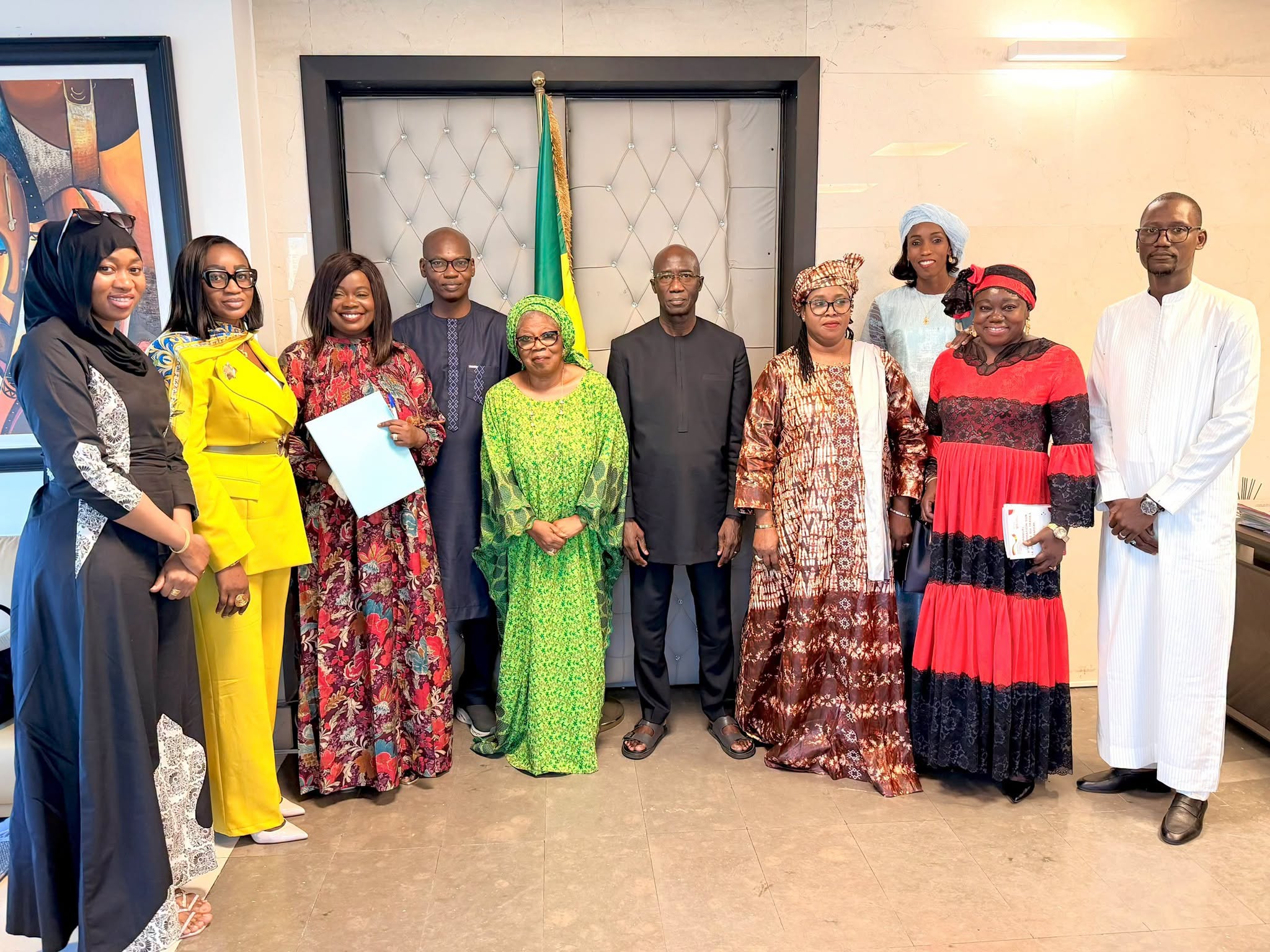
Moussa Sarr: Sénégal Femmes Magistrates Seek Better Conditions, Leadership
Summary
- The Association des femmes magistrates Sénégal held a meeting with Minister of Justice Me Moussa Sarr.
- The meeting, which took place on a Tuesday, focused on critical issues affecting women magistrates.
- The association advocated for increased representation of women in leadership positions within the Senegalese judiciary.
- They also presented proposals aimed at improving the working conditions for women magistrates.
- Minister Sarr, who also serves as Garde des Sceaux, received these demands for consideration.
Key Meeting in Dakar
This direct engagement between the Association des femmes magistrates Sénégal and the Minister of Justice, Me Moussa Sarr, carries significant implications for the future direction of réforme judiciaire Sénégal.
The Association des femmes magistrates Sénégal recently engaged in a crucial dialogue with the nation's top judicial official, Me Moussa Sarr, who serves as both Minister of Justice and Garde des Sceaux. This significant encounter, which occurred on a Tuesday, saw representatives from the women magistrates' association present a series of pressing concerns directly to the minister. The discussions centered on enhancing the role and environment for women within the Senegalese judiciary, highlighting areas requiring immediate attention and strategic reform.
During the high-level meeting, the delegation from the Association des femmes magistrates Sénégal articulated two primary objectives. Firstly, they advocated for a more equitable distribution of leadership roles, seeking increased representation for women magistrates in positions of significant responsibility across the judicial system. This push for greater inclusion in decision-making capacities underscores a broader movement towards gender parity within the country's legal framework.
Secondly, the association brought forward detailed proposals aimed at improving the overall conditions travail magistrates Sénégal. These discussions with ministre justice Sénégal Moussa Sarr were not merely symbolic; they represented a direct appeal for tangible changes that would positively impact the daily professional lives of women serving in the magistracy. The focus on both leadership representation and practical working conditions illustrates a comprehensive approach to addressing systemic challenges.
Addressing Systemic Challenges
The call for greater representation in leadership positions by the Association des femmes magistrates Sénégal reflects a persistent challenge within many judicial systems globally, including in Senegal. The association's plea to Me Moussa Sarr emphasizes the importance of ensuring that the diverse perspectives and experiences of women magistrates are adequately reflected at all levels of judicial administration and decision-making. This initiative is fundamental to achieving true égalité genre magistrature Sénégal, moving beyond mere presence to active influence and leadership.
Furthermore, the concerns raised regarding the conditions travail magistrates Sénégal encompass a range of issues that can affect professional efficacy and well-being. While specific details of these conditions were not publicly disclosed, such discussions typically involve aspects like workload management, access to resources, professional development opportunities, and ensuring a supportive and equitable work environment. Addressing these practical elements is crucial for retaining talent and fostering a productive judiciary.
The engagement with the ministre justice Sénégal Moussa Sarr signifies a recognition at the highest levels of the judiciary that these issues warrant serious consideration. The advocacy by the Association des femmes magistrates Sénégal is a critical step towards identifying and rectifying disparities that may impede the career progression and daily functioning of women within the legal profession. This proactive dialogue is essential for fostering an inclusive and effective judicial system.
Implications for Judicial Reform
This direct engagement between the Association des femmes magistrates Sénégal and the Minister of Justice, Me Moussa Sarr, carries significant implications for the future direction of réforme judiciaire Sénégal. The minister's reception of these grievances and proposals indicates an openness to consider adjustments that could enhance the operational fairness and internal equity of the judicial system. Such dialogues are often precursors to policy shifts or administrative directives aimed at modernizing and improving institutional practices.
The emphasis on both leadership representation and improved conditions travail magistrates Sénégal suggests a holistic view of judicial development. Successful implementation of the association's recommendations could lead to a more balanced and representative judiciary, potentially bolstering public confidence in the legal system. It also highlights an internal drive within the Senegalese magistracy to self-assess and evolve, ensuring that its structures and opportunities are equitable for all its members.
Ultimately, the discussions initiated by the Association des femmes magistrates Sénégal with ministre justice Sénégal Moussa Sarr are a vital component of ongoing efforts to strengthen the rule of law and promote gender equality within key state institutions. The outcomes of these deliberations could set important precedents for how diversity and inclusion are addressed in the broader public sector, making this a pivotal moment for women in the Senegalese legal profession.
Practical Implications
This development signals ongoing internal discussions within the Senegalese judiciary regarding diversity and inclusion, which may lead to future administrative reforms or policy changes affecting judicial appointments and court operations. Lawyers should monitor these discussions for potential impacts on judicial efficiency and fairness, and how they might influence judicial perspectives or case management in the long term.
Source
How does this affect you?
Get an AI analysis of this article grounded in your jurisdictions, practice areas, and any policy documents you've uploaded to Wansom.
Finish Reading the Full Story and the Expert Analysis.
Get the latest legal & regulatory intelligence in Senegal
Wansom is AI and can make mistakes.