
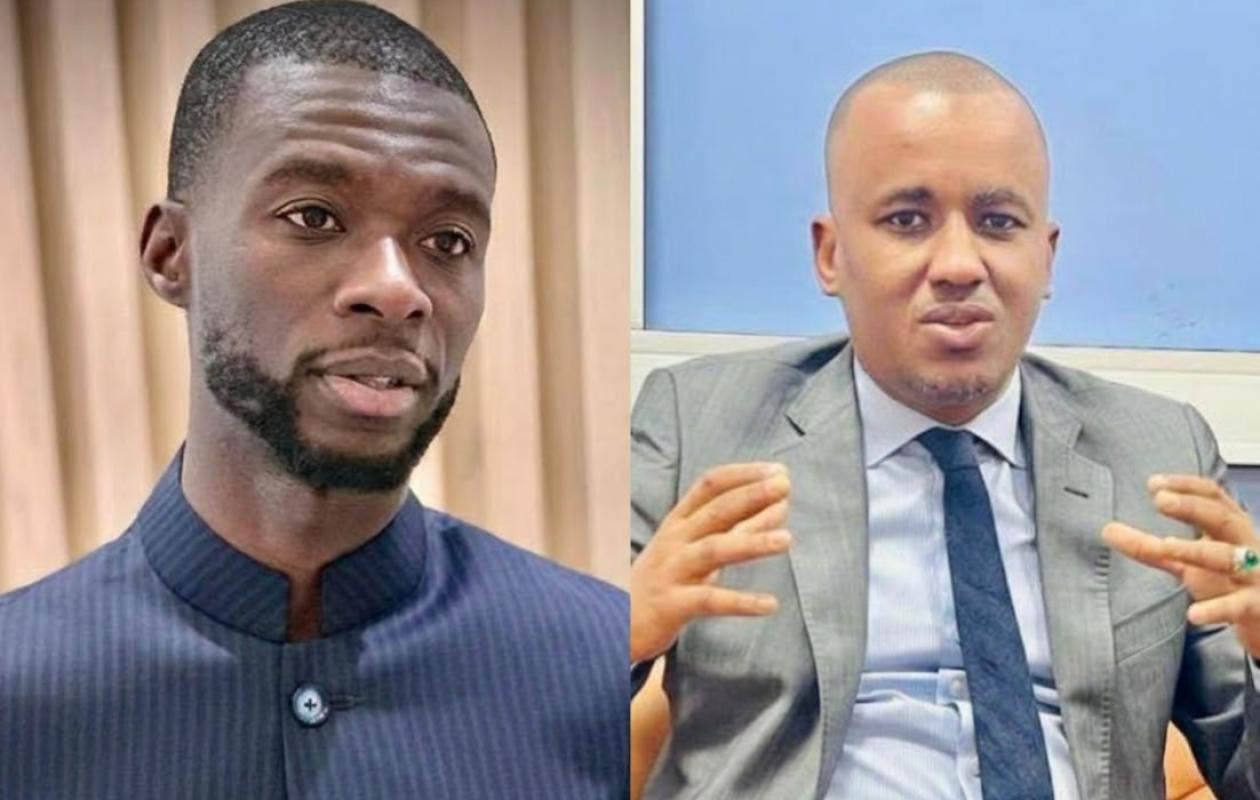
Mouhamed Dieng: Responds to Oumar Sow Complaint in Senegal
Summary
- Businessman Mouhamad Rassoul Dieng publicly rejected accusations of threats and insults on Tuesday, October 13, 2026.
- The allegations were made by former minister-counselor Oumar Sow, president of the 'And – Marchons ensemble' movement.
- Dieng described the claims as 'totally unfounded' and denied any threatening behavior.
- The public denial is a significant development in the dispute between Dieng and Sow.
- This public statement could influence public perception and potential legal proceedings in Senegal.
Businessman Rejects Accusations in Senegal
The public nature of Mr. Dieng's denial carries significant weight, particularly within the legal and public discourse landscape of Senegal.
Prominent businessman Mouhamad Rassoul Dieng has publicly refuted allegations of threats and insults leveled against him by former minister-counselor Oumar Sow. In an official statement released on Tuesday, October 13, 2026, Mr. Dieng characterized the claims as entirely baseless, firmly denying any involvement in the alleged conduct. This public declaration marks a significant development in the ongoing dispute, as Mr. Dieng directly addressed the Oumar Sow complaint in Senegal.
Mr. Dieng's statement specifically addressed the accusations of having engaged in menacing behavior and uttering insults. He categorically rejected these charges, asserting that he has never behaved in a threatening manner. This strong Mouhamad Rassoul Dieng accusations rejection aims to counter the narrative put forth by Oumar Sow, who also serves as the president of the
Details of the Oumar Sow Complaint
The complaint against Mr. Dieng originated from Oumar Sow, a figure known for his past role as a minister-counselor and his current leadership of the political movement
Legal and Public Perception Implications
The public nature of Mr. Dieng's denial carries significant weight, particularly within the legal and public discourse landscape of Senegal. Such an explicit rejection of accusations can be instrumental in shaping public perception, which often plays a crucial role in the early stages of legal disputes. This public stance by Mouhamed Dieng's response could influence how potential future legal proceedings, especially those related to defamation in Senegal, are viewed by the public and potentially by judicial bodies.
In the context of Sénégal droit de la presse and broader legal frameworks, a direct public statement can serve as a foundational element in a defense strategy. It signals a clear intent to challenge the veracity of the claims, potentially mitigating immediate reputational damage and setting a precedent for how the matter might be handled if it escalates to formal litigation. The public rejection of the Oumar Sow complaint by Mouhamed Dieng underscores the strategic importance of communication in high-profile disputes.
Practical Implications
Lawyers should note the public denial by Mouhamed Dieng regarding Oumar Sow's complaint of threats and insults. Such public statements can be critical in shaping public perception and may influence potential future legal proceedings, particularly in cases involving defamation or character assassination, requiring careful consideration of legal strategy and communication.
Source
How does this affect you?
Get an AI analysis of this article grounded in your jurisdictions, practice areas, and any policy documents you've uploaded to Wansom.
Finish Reading the Full Story and the Expert Analysis.
Get the latest legal & regulatory intelligence in Senegal
Wansom is AI and can make mistakes.