
Moubarack Lô: False News Polls in Senegal Face Prosecution Warning
Summary
- Economist Moubarack Lô has publicly criticized the integrity of certain political polls in Senegal.
- Lô warned that individuals disseminating "fabricated" poll results could face prosecution for false news.
- He specifically named Cheikh Yerim Seck as potentially liable for authoring such misleading surveys.
- The warning was issued during Lô's appearance as a guest on RFM Matin this Wednesday.
- This intervention highlights a growing concern over the accuracy of political information and its legal ramifications in Senegal.
Economist Issues Warning on Fabricated Polls
He specifically raised the specter of "false news prosecution Senegal," emphasizing that individuals found to be circulating deliberately misleading poll results could face charges.
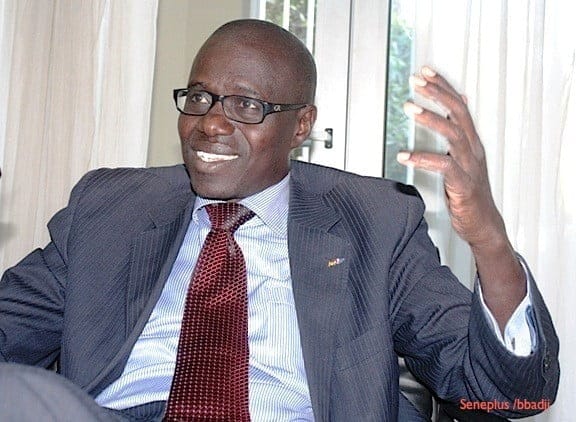
Economist Moubarack Lô, who also serves as the Mayor of Niomré, recently weighed in on the ongoing debate surrounding political polling practices within Senegal, specifically addressing concerns over the integrity of survey results. Speaking as a guest on RFM Matin this Wednesday, Lô voiced strong objections to certain polls circulating publicly, indicating a significant level of skepticism regarding their authenticity. His intervention comes amidst heightened scrutiny of how political sentiment is measured and reported in the country.
Lô's remarks included a direct caution against the dissemination of what he termed "fabricated" polls. He explicitly identified Cheikh Yerim Seck as an individual who could face legal repercussions for authoring such surveys. This public admonition underscores a growing tension between the desire for transparent political data and the potential for misleading information to influence public perception ahead of significant political events in Senegal. The controversy highlights the critical need for accuracy and ethical conduct in political reporting.
Legal Ramifications for False News
A central component of Moubarack Lô's warning was the potential for legal action against those responsible for creating and distributing false information, particularly in the context of political surveys. He specifically raised the specter of "false news prosecution Senegal," emphasizing that individuals found to be circulating deliberately misleading poll results could face charges. This aspect of his statement serves as a significant Moubarack Lô legal warning to anyone involved in the production or sharing of political data.
The legal framework in Senegal, particularly Article 255 of the Penal Code, provides grounds for prosecuting the spread of false news, suggesting that authorities could pursue legal avenues against individuals like Cheikh Yerim Seck if their polling data is deemed intentionally deceptive. While publishing fabricated political polls remains a potentially criminal offense, the Senegalese Electoral Code was amended in May 2026 to remove the dissemination of false news as a ground for ineligibility to register to vote. This implies that the act of publishing fabricated political polls is not merely an ethical breach but a potentially criminal offense under Sénégal political polls law, carrying serious consequences for those who engage in such practices.
Broader Implications for Senegalese Politics
The controversy surrounding political polls, particularly the Pastef poll controversy which has seen figures like 59% attributed to the party, underscores a critical juncture for political discourse in Senegal. Moubarack Lô's public challenge to the veracity of certain polls and his subsequent legal warning signal a potential shift towards stricter enforcement regarding the accuracy of public information. This development could significantly impact how political campaigns are conducted and how public opinion is shaped.
The economist's intervention highlights the broader societal risk posed by false news, especially when it pertains to electoral processes. The integrity of political polling is crucial for a healthy democracy, and any perceived manipulation can erode public trust in institutions and the electoral system itself. Therefore, Lô's call for accountability, including the possibility of false news prosecution, aims to safeguard the informational landscape and ensure that citizens are not misled by deliberately falsified data.
Practical Implications
Lawyers should advise clients involved in political polling or news dissemination in Senegal about the heightened risk of prosecution for 'false news,' particularly concerning fabricated poll results. This development necessitates a review of communication strategies and due diligence for any public statements related to political surveys to mitigate legal exposure.
Source
How does this affect you?
Get an AI analysis of this article grounded in your jurisdictions, practice areas, and any policy documents you've uploaded to Wansom.
Finish Reading the Full Story and the Expert Analysis.
Get the latest legal & regulatory intelligence in Senegal
Wansom is AI and can make mistakes.