
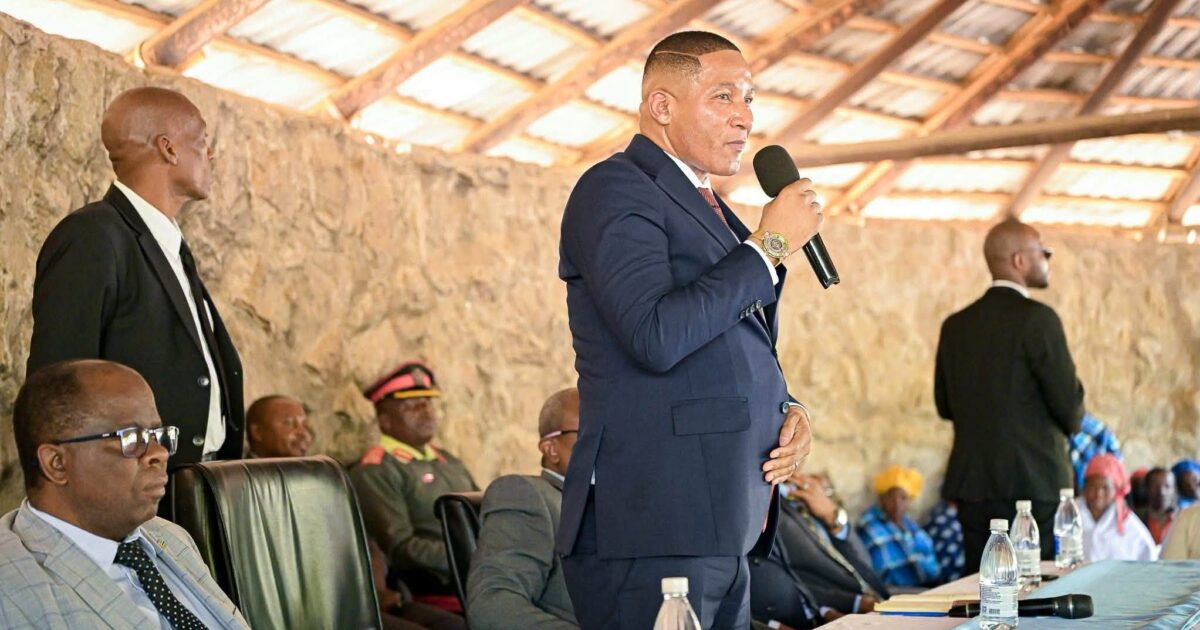
Botswana: Motlatsi Molapisi Hasn't Read Forensic Audit Report
Summary
- A forensic audit report was delivered to Botswana's President Duma Boko several months ago.
- President Boko's Special Adviser on governance, Motlatsi Molapisi, states he has not seen the report.
- Molapisi is consequently unable to comment on the audit's findings.
- The situation raises questions about transparency and accountability within the Botswana presidency.
Awaiting Access: Botswana's Governance Adviser and a Delayed Audit Report
The fact that the Molapisi governance adviser audit situation has persisted for months since the report reached the President underscores a notable delay in its dissemination to relevant officials, particularly one whose portfolio directly involves oversight and good governance.
A forensic audit report, delivered to President Duma Boko of Botswana several months ago, remains unread by a key figure within his administration. Motlatsi Molapisi, who serves as President Boko's Special Adviser on governance matters, has publicly stated that he has not yet had the opportunity to review the findings of this significant document. This revelation comes despite the report having been in the President's possession for an extended period, raising immediate questions about internal communication and access to critical information within the highest levels of the Botswana government.
Molapisi, whose role is intrinsically linked to advising on sound governance practices, confirmed his lack of access to the forensic audit report. Consequently, he has indicated that he is unable to offer any commentary or insights into its contents or conclusions. The fact that the Molapisi governance adviser audit situation has persisted for months since the report reached the President underscores a notable delay in its dissemination to relevant officials, particularly one whose portfolio directly involves oversight and good governance. The specific details of the audit's scope or its subject matter have not been disclosed, but its designation as a "forensic audit" typically implies an investigation into financial irregularities or other serious misconduct.
This development places the spotlight on the handling of official investigative reports within the Botswana presidency. The prolonged period during which the President Duma Boko audit report has been held without being shared with his governance adviser suggests a potential bottleneck in information flow. For a governance adviser like Motlatsi Molapisi to be unaware of the findings of such a report, months after its submission, presents a unique challenge to the principles of informed decision-making and proactive oversight in public administration.
Questions of Transparency within the Boko Administration
The situation surrounding the Motlatsi Molapisi forensic audit Botswana report inevitably prompts scrutiny regarding transparency within the current Boko administration. When a high-ranking adviser, specifically tasked with governance, is denied or simply has not received access to a critical forensic investigation report for an extended duration, it can create an impression of opacity. Effective governance relies on the timely and appropriate dissemination of information, especially when it pertains to audits designed to ensure accountability and proper conduct within government operations. The lack of access for a key adviser could hinder their ability to provide comprehensive and current advice to the President.
This scenario contributes to broader discussions about Botswana government forensic investigation processes and their subsequent handling. The purpose of such audits is to uncover facts and provide a basis for corrective action or policy adjustments. If the findings of these investigations are not made available to relevant officials, even those directly responsible for governance, the efficacy of the entire investigative process can be undermined. The delay in Molapisi's access to the report, months after its delivery to President Boko, raises concerns about the administration's commitment to open information sharing, particularly on matters of internal review and accountability.
For the Boko administration transparency is a critical component of public trust. The current circumstances, where a governance adviser is unable to comment on a significant audit report due to lack of access, could lead to perceptions of a lack of openness. This is particularly pertinent in a political landscape where public confidence in governmental processes is paramount. The absence of clarity around why the report has not been shared with Molapisi, despite his relevant role, fuels these transparency concerns.
Broader Implications for Political Accountability
The ongoing situation with the Motlatsi Molapisi forensic audit Botswana report carries significant implications for Botswana political accountability. Forensic audits are fundamental tools for ensuring that public institutions operate with integrity and that any deviations from established norms are identified and addressed. When such a report is withheld from a governance adviser for months, it can impede the mechanisms designed to uphold accountability within the executive branch. The integrity of governance structures depends on the free flow of information to those tasked with upholding standards and advising on best practices.
This particular instance, involving a Molapisi governance adviser audit, highlights potential challenges in maintaining robust oversight. The inability of a key adviser to review and comment on a forensic report suggests a potential gap in the accountability framework, where critical information may not be reaching all relevant stakeholders in a timely manner. Such delays can impact the government's capacity to respond effectively to any issues identified in the audit, thereby affecting overall political accountability.
Ultimately, the prolonged period during which the President Duma Boko audit report has remained inaccessible to his governance adviser raises questions about the operational effectiveness of accountability measures within the Botswana government. For a nation committed to good governance, ensuring that all relevant officials, especially those in advisory roles concerning governance, have timely access to such critical documents is essential for fostering public trust and demonstrating a genuine commitment to political accountability.
Practical Implications
This situation highlights potential transparency and accountability concerns within the Botswana presidency regarding official audit reports. Lawyers advising clients on governance, anti-corruption, or public sector engagement in Botswana should monitor developments for implications on regulatory compliance, due diligence, or future investigative actions.
Source
How does this affect you?
Get an AI analysis of this article grounded in your jurisdictions, practice areas, and any policy documents you've uploaded to Wansom.
Wansom is AI and can make mistakes.