
Morning Docket: DOJ Critique, Trump Defamation, Huawei Conviction
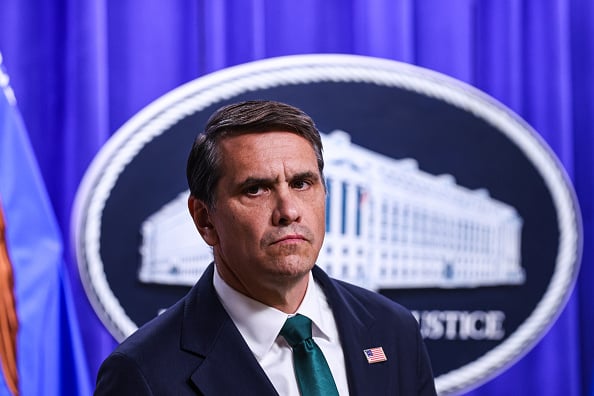
On November 25, 2026, a federal judge in the United States issued a 48-page opinion sharply criticizing the Department of Justice for alleged "weaponization efforts," while other significant legal developments included the advancement of a defamation case against the New York Times under a new standard and the striking down of Trump-era sanctions against the International Criminal Court (ICC) concerning Americans.
These diverse legal developments collectively signal heightened judicial scrutiny of executive branch actions, evolving standards in media law, and challenges to U.S. foreign policy, all of which carry substantial implications for constitutional governance, freedom of the press, and international legal engagement. The judge's strong rebuke of the DOJ, if it pertains to prosecutorial conduct or overreach, could set a precedent for judicial oversight of executive enforcement powers. The defamation case against the Times, proceeding under a newly articulated standard, suggests a potential recalibration of the legal protections afforded to media organizations, which could significantly impact investigative journalism and public discourse. Furthermore, the invalidation of sanctions against the ICC, particularly as they relate to Americans, marks a notable shift in the U.S. approach to international human rights tribunals and could facilitate greater cooperation with global justice mechanisms.
The legal context for these events spans several critical areas: the judge's opinion likely implicates administrative law, constitutional principles of separation of powers, and potentially criminal procedure, depending on the specifics of the DOJ's alleged conduct. The defamation case would be adjudicated under First Amendment jurisprudence, specifically re-evaluating or modifying the long-standing *New York Times v. Sullivan* standard, which governs libel claims against public figures. The ruling on ICC sanctions would involve international law, U.S. foreign policy statutes such as the International Emergency Economic Powers Act (IEEPA), and potentially constitutional challenges related to freedom of association or speech for Americans engaging with international bodies. Key parties involved include the Department of Justice, the federal judiciary, the New York Times, the Trump administration (regarding past policies), and the International Criminal Court.
Practitioners should closely monitor the full text and implications of the judge's opinion regarding the DOJ, as it could influence future litigation involving government agencies and prosecutorial discretion. Media law attorneys must immediately assess the
How does this affect you?
Get an AI analysis of this article grounded in your jurisdictions, practice areas, and any policy documents you've uploaded to Wansom.
Finish Reading the Full Story and the Expert Analysis.
Get the latest legal & regulatory intelligence in United States
Wansom is AI and can make mistakes.