
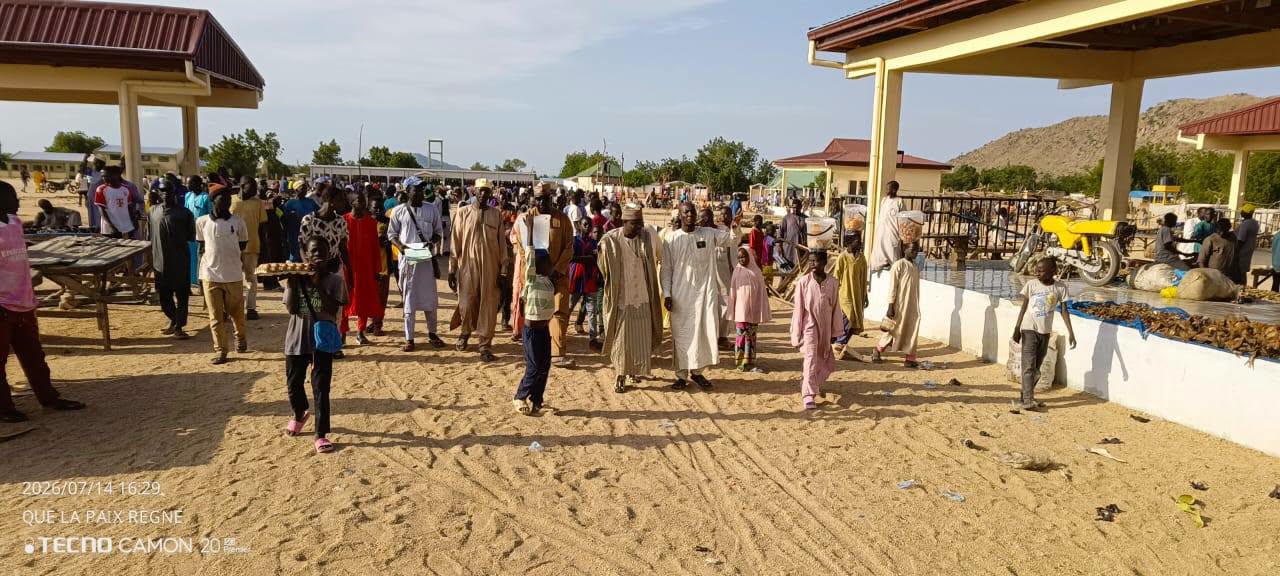
Mora Market Demolition in Cameroon Sparks Call for Prefect's Accountability
The Mora municipal council in Cameroon demolished the historic Mora market during the night, reportedly around 3 AM, prompting local elite Mamadou Mota to publicly challenge the Prefect of Mayo-Sava to take responsibility. This act, which involved the destruction of shops and counters, is presented as the culmination of a months-long eviction process initiated by the municipality to facilitate the construction of a modern market in Sankré, with the first phase of that project already completed. Mamadou Mota, a prominent local figure and former vice-president of the Movement for the Renaissance of Cameroon, vehemently condemned the demolition, characterizing it as an “act of absolute cowardice” and an “intolerable betrayal” that further devastates the livelihoods of a population already struggling with insecurity in the Mayo-Sava region. He has called upon the Prefect, as the supervisory authority of the commune, to intervene and hold those responsible for this “economic and social disaster” accountable.
This incident carries significant legal implications concerning municipal governance, property rights, and administrative due process in Cameroon. The demolition of a public market, even for urban development purposes, typically requires strict adherence to legal procedures, including adequate notice to affected traders, provisions for fair compensation, and potentially relocation assistance. The strong public outcry and the direct appeal to the Prefect suggest potential concerns regarding the legality or fairness of the demolition process, particularly if proper procedural safeguards for eviction and compensation were not observed. It underscores the inherent tension between municipal development objectives and the protection of citizens' fundamental rights, including the right to livelihood and property.
The legal framework governing such actions in Cameroon would primarily involve municipal law, urban planning regulations, and potentially laws related to expropriation for public utility. Municipal councils possess powers to manage local affairs, including urban planning and market administration, but these powers are not absolute and are subject to oversight by higher administrative authorities. The Prefect, as the representative of the central government at the departmental level, exercises supervisory authority over local councils, making Mamadou Mota's appeal directly relevant to the administrative hierarchy. The process of 'déguerpissement' (eviction or displacement) for public projects is typically regulated by specific legal provisions that mandate due process, public consultation, and fair compensation for those whose property or economic activities are affected. The legality of the Mora market demolition will largely depend on whether these established procedures were rigorously followed by the municipal council.
For legal practitioners, this case highlights the critical importance of ensuring that municipalities strictly adhere to all legal and administrative procedures when undertaking urban development projects that involve the displacement of populations or the demolition of existing structures. This includes providing proper notice, conducting public consultations, and ensuring fair and timely compensation for affected individuals and businesses. Attorneys representing affected parties should meticulously review the procedural aspects of such demolitions, as irregularities can form the basis for administrative appeals or judicial challenges. The role of the Prefect as a supervisory authority is crucial in such disputes, and their intervention can significantly influence the outcome. The specific outcome of Mamadou Mota's appeal to the Prefect and any subsequent actions are not yet reported.
How does this affect you?
Get an AI analysis of this article grounded in your jurisdictions, practice areas, and any policy documents you've uploaded to Wansom.
Finish Reading the Full Story and the Expert Analysis.
Wansom is AI and can make mistakes.