
Montana Officials: HB 359 Narrowing Challenge Seeks to Modify Drag Ban
Summary
- Montana is asking a federal court to narrow and sever unconstitutional parts of Montana House Bill 359, which bans "sexually oriented performances" and drag story hours.
- U.S. District Judge Brian Morris initially blocked the law, and the Ninth Circuit upheld that injunction, citing content-based restrictions on expressive activity.
- The state argues for applying the law's obscenity definition to performances "obscene as to a minor" and claims plaintiffs lack standing to challenge part of the bill.
- Plaintiffs contend federal courts cannot revise state law through interpretation and argue the Roxy Theater fits the "sexually oriented business" definition.
- Judge Morris expressed concern about accurately representing legislative intent when narrowing or changing statutory language.
What Happened
Judge Morris himself expressed reservations about altering the law's interpretation, questioning how he could accurately represent the legislators' views by narrowing or changing the statutory language.
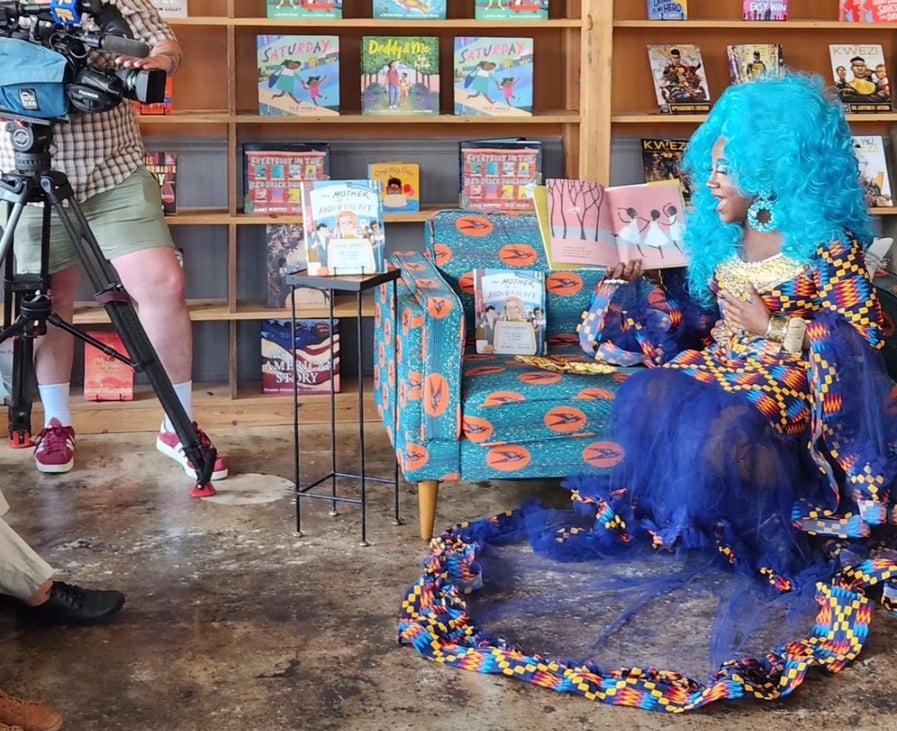
Montana state officials recently appeared before a federal judge, seeking to modify a previously blocked law that restricts "sexually oriented performances." The state's Department of Justice requested that the court narrow Montana House Bill 359 (HB 359) and remove any provisions deemed unconstitutional, specifically mentioning those that prohibit drag story hours. This move comes after U.S. District Judge Brian Morris initially halted the law's enforcement in late 2023, a decision subsequently affirmed by the Ninth Circuit.
Michael Noonan, representing the Montana Department of Justice, acknowledged that the state does not defend every word of the original text, characterizing this stance as an "opening move" in their effort to narrow the legislation. The legal dispute revolves around HB 359, which Governor Greg Gianforte signed into law in 2023. This bill aimed to prevent drag performers from reading to children and barred minors from attending events classified as "sexually oriented shows."
The Contested Legislation
Montana House Bill 359 established significant penalties for those who violated its provisions. Owners, managers, and employees involved in such performances faced fines ranging from $1,000 to $10,000, with a third offense leading to the revocation of their business licenses. The law also targeted educators, stipulating that teachers and librarians could have their teaching or administrative certificates permanently revoked after a second violation.
Furthermore, the legislation created a private right of action, allowing aggrieved parents to file lawsuits against implicated parties for up to a decade. A coalition of Montana businesses, non-profits, and performers promptly challenged the law, asserting that it infringed upon their First Amendment rights. This legal action led to the preliminary injunction against the bill's enforcement, which the Ninth Circuit later upheld, citing the restrictions as content-based limitations on "purely expressive activity."
Legal Arguments and Judicial Scrutiny
During the recent hearing, both the state and the plaintiffs presented dueling motions for summary judgment before Judge Morris. The state contended that the plaintiffs lacked standing to challenge section two of Montana House Bill 359, arguing it applies exclusively to "sexually oriented businesses," defined as commercial enterprises like nightclubs, bars, or restaurants that serve alcohol and host performances. However, the plaintiffs countered that at least one venue, the Roxy Theater in Missoula, arguably fits this description, noting it serves alcohol, food, and offers entertainment. The state disputed this, claiming the Roxy Theater is not a bar because alcohol is not its primary revenue source.
The state further urged the court to adopt a narrowing construction, suggesting the ban should only apply to performances deemed "obscene as to a minor" by applying the act's own obscenity definition, and to sever any other unconstitutional portions. Michael Noonan argued these adjustments would align with the legislature's original intent to keep certain performances away from minors if they were obscene.
Conversely, the plaintiffs asserted that federal courts lack the authority to issue binding interpretations of state law or to revise it, emphasizing that the court's role is to give effect to the legislature's intent, not to rewrite it. Judge Morris himself expressed reservations about altering the law's interpretation, questioning how he could accurately represent the legislators' views by narrowing or changing the statutory language.
Why It Matters
The ongoing legal battle over Montana House Bill 359 highlights the complexities of regulating expressive activities, particularly when minors are involved, and the significant role of the severability doctrine in Montana law. The Ninth Circuit's decision to uphold the injunction underscores the judiciary's scrutiny of content-based restrictions, which are generally presumed unconstitutional under the First Amendment. This case delves into the delicate balance between protecting children and safeguarding free speech, especially concerning drag story hours and other public performances.
The state's attempt to narrow the law through judicial interpretation rather than legislative amendment raises fundamental questions about the separation of powers and the limits of judicial intervention in statutory construction. The outcome will not only determine the future of Montana's sexually oriented performances ban but could also set precedents for how similar legislation is drafted and challenged across the country. The court's decision on whether it can, or should, reinterpret the law to salvage parts of it will have lasting implications for legislative drafting and First Amendment jurisprudence.
Practical Implications
This case highlights the ongoing judicial scrutiny of content-based restrictions on expression, particularly concerning minors. Lawyers should note the arguments around severability and judicial interpretation of legislative intent, as the outcome could influence the drafting and defense of similar legislation in other jurisdictions and impact compliance strategies for businesses hosting public performances.
Source
How does this affect you?
Get an AI analysis of this article grounded in your jurisdictions, practice areas, and any policy documents you've uploaded to Wansom.
Wansom is AI and can make mistakes.