
Moçambique: Jurista Afirma Responsabilidade Estatal por Viatura Militar Zavala
Summary
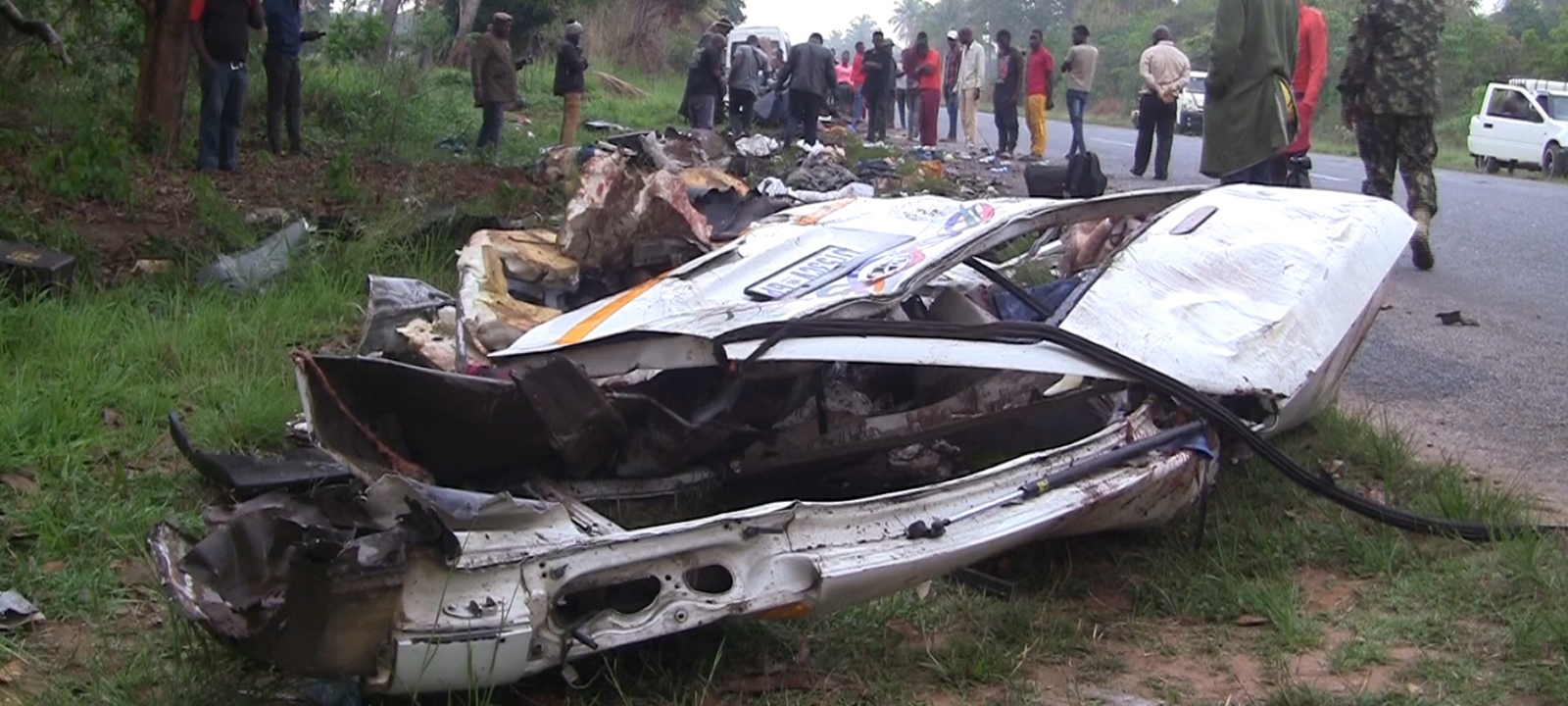
- A military vehicle with mechanical problems, released from the Ministry of Defense's workshop, was involved in an accident in Zavala.
- The Association of Driving Schools is questioning the decision to release the faulty vehicle.
- Jurist Alexandre de Sousa asserts there is a legal basis for state accountability due to errors by state agents.
- The incident highlights potential negligence by the Ministry of Defense and broader state liability.
- Preliminary findings and official statements regarding the incident have been released, and an inquiry is ongoing.
The Incident and Initial Concerns
Jurist Alexandre de Sousa has explicitly stated that there exists a solid legal foundation for holding the Mozambican state accountable for the accident.
An accident involving a military vehicle in Zavala, Moçambique, has drawn significant public scrutiny, particularly concerning the operational readiness of state assets. The incident centers on a vehicle that reportedly exhibited mechanical problems, yet was released from the workshop of the Ministry of Defense prior to the crash. This situation has prompted serious questions from various stakeholders regarding the protocols for maintaining and deploying state-owned equipment.
The Associação de Escolas de Condução, representing driving schools across the nation, has publicly voiced its concerns over the decision to allow a military vehicle with known defects to operate on public roads. Their questioning highlights potential lapses in oversight and maintenance procedures within the Ministry of Defense, suggesting a possible disregard for public safety. The `acidente viatura militar Zavala` underscores the critical importance of ensuring that all vehicles, especially those operated by state entities, meet stringent safety standards before deployment.
This incident raises broader questions about the accountability mechanisms in place for state-owned vehicles and the personnel responsible for their upkeep. The fact that a vehicle with reported mechanical issues was cleared for use by an official workshop points to a systemic problem that could have far-reaching implications for public trust and safety. The focus remains on understanding how such a vehicle came to be on the road, leading to the unfortunate event in Zavala.
Legal Grounds for State Accountability
In the wake of the Zavala incident, legal experts are weighing in on the potential for `responsabilidade estatal viatura militar Zavala`. Jurist Alexandre de Sousa has explicitly stated that there exists a solid legal foundation for holding the Mozambican state accountable for the accident. This assertion is grounded in the principle that the state can be held liable for errors committed by its agents in the course of their duties. Such a legal framework is a cornerstone of `direito administrativo Moçambique`, which governs the actions and liabilities of public administration.
De Sousa's opinion underscores the concept of `responsabilização do Estado Moçambique`, suggesting that when state employees, acting in their official capacity, make decisions that lead to harm—such as releasing a mechanically faulty vehicle—the state itself bears the ultimate responsibility. This perspective is crucial for understanding `responsabilidade civil estado Moçambique`, as it provides a pathway for individuals or entities affected by state negligence to seek redress. The actions of the Ministry of Defense's workshop personnel, if found to have negligently released the vehicle, could therefore directly implicate the state.
The involvement of a `Alexandre de Sousa jurista` in commenting on this case highlights the serious legal ramifications. His insights suggest that the state's duty of care extends to ensuring the safety and proper functioning of its assets, particularly those that interact with the public domain. The legal argument posits that the state cannot simply delegate responsibility away from itself when its own operational procedures or the conduct of its agents are found wanting. This sets a precedent for how similar incidents involving state assets might be legally challenged in the future.
Broader Implications for State Operations
The ongoing scrutiny surrounding the military vehicle accident in Zavala extends beyond the immediate incident, raising significant questions about the operational standards and accountability within Mozambican state institutions. The fact that the vehicle was released from the Ministry of Defense's workshop despite mechanical problems points to a potential case of `Ministério da Defesa Moçambique negligência`. This situation could expose the state to civil liability claims, emphasizing the critical need for rigorous maintenance protocols and adherence to safety regulations across all government departments.
This case serves as a stark reminder that state entities, much like private organizations, are expected to exercise due diligence in managing their assets, especially when public safety is at stake. The implications of such negligence could range from financial penalties to a loss of public trust, impacting the broader perception of governmental efficiency and responsibility. The absence of a definitive outcome regarding the incident further prolongs the period of uncertainty and public concern, leaving open questions about the measures being taken to prevent similar occurrences.
The incident in Zavala, therefore, is not merely an isolated event but a potential indicator of systemic issues that warrant thorough investigation and corrective action. It reinforces the importance of robust internal controls and clear lines of accountability within state workshops and operational units. The ongoing discussion around `Moçambique responsabilidade estatal viatura militar Zavala` will undoubtedly shape future expectations for state asset management and the legal avenues available for citizens impacted by governmental actions or inactions.
Practical Implications
This case underscores the potential for civil liability claims against the Mozambican state for negligence, particularly when state entities release vehicles with known mechanical defects. Lawyers should note the jurist's opinion on legal grounds for state accountability, which could inform future litigation or risk assessments for clients interacting with state assets.
Source
Source: Original reporting via O País.
How does this affect you?
Get an AI analysis of this article grounded in your jurisdictions, practice areas, and any policy documents you've uploaded to Wansom.
Finish Reading the Full Story and the Expert Analysis.
Get the latest legal & regulatory intelligence in Mozambique
Wansom is AI and can make mistakes.