
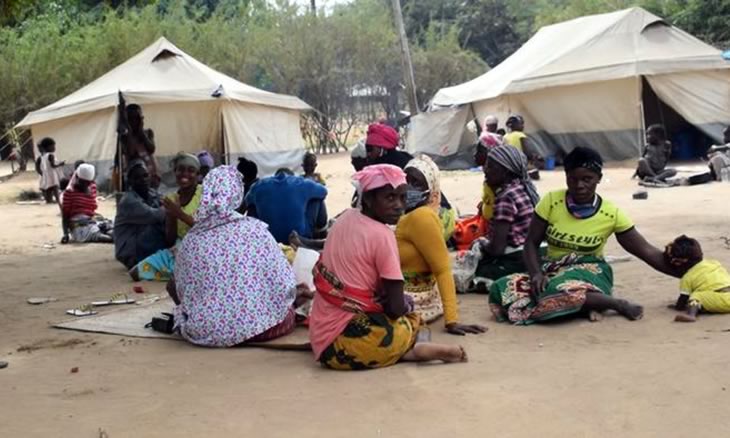
Moçambique Governo: Acknowledges Violação Direitos Humanos em Cabo Delgado
Summary
- The Mozambican government has officially acknowledged the urgent need to address human rights violations in Cabo Delgado.
- This admission specifically targets violence and the cessation of forced displacement in the northern province.
- The government highlighted that minors are among those affected by forced displacement.
- This declaration underscores the critical nature of the human rights crisis in the region.
Government Acknowledges Urgent Crisis in Cabo Delgado
By formally admitting the critical nature of the situation, which encompasses widespread violence and forced displacement, the government sets a significant precedent for potential shifts in national policy and increased accountability.
The Mozambican government has today made a significant public statement, formally acknowledging the pressing necessity to curb the violence stemming from human rights violations in its northern province of Cabo Delgado. This official declaration by the government of Moçambique underscores the severe challenges currently confronting the region, indicating a direct and explicit recognition of the ongoing crisis by state authorities. The admission points to a critical situation demanding immediate and decisive intervention to safeguard the fundamental rights of the local population.
Central to the government's urgent concerns is the imperative to halt forced displacement, a pervasive and destabilizing issue in Cabo Delgado. This displacement, which tragically includes minors, is identified as a direct consequence of the violence and widespread human rights abuses plaguing the area. The government's specific emphasis on stopping these involuntary movements highlights the profound impact on vulnerable populations and the extensive disruption to civilian life within the affected communities, reinforcing the gravity of the human rights Moçambique crisis.
The Scope of Human Rights Concerns
The official acknowledgment by the Mozambican government regarding the urgent need to address human rights violations in Cabo Delgado paints a stark picture of the ongoing humanitarian crisis. This public stance indicates that the scale and severity of abuses, including those leading to pervasive violence, have reached a point where immediate and concerted action is deemed indispensable by the authorities. The situation in Cabo Delgado has consistently been a focal point of concern for international human rights organizations, and this governmental declaration adds significant weight to those calls for effective intervention and adherence to Moçambique direito humanitário principles.
Specifically, the issue of forced displacement, particularly involving children, underscores the profound humanitarian dimension of the crisis. The government's explicit mention of minors being affected by these forced movements highlights the extreme vulnerability of this demographic and the long-term consequences for their well-being, education, and overall development. Addressing this critical aspect of the Cabo Delgado violence and its impact on human rights is now an officially recognized priority for the Mozambican government, emphasizing the need to protect the most susceptible members of society.
Implications of Official Recognition
The Mozambican government's declaration of urgency regarding human rights violations in Cabo Delgado carries substantial and far-reaching implications. By formally admitting the critical nature of the situation, which encompasses widespread violence and forced displacement, the government sets a significant precedent for potential shifts in national policy and increased accountability. This official recognition could pave the way for more robust national and international efforts aimed at protecting affected populations and upholding fundamental human rights principles within the crisis-stricken northern province.
For entities operating or having interests in the region, particularly those involved in humanitarian aid, social impact initiatives, or risk assessment, this statement from the government of Moçambique signals a heightened level of domestic and international scrutiny. It suggests that the government is prepared to acknowledge the severity of the human rights crisis, potentially leading to new strategies for addressing the Cabo Delgado violence and ensuring adherence to international human rights standards. This could influence future legal frameworks or enforcement actions related to the protection of civilians and the provision of humanitarian assistance, making the governo moçambicano declaração direitos humanos a pivotal moment.
Practical Implications
Lawyers advising clients with operations or interests in Cabo Delgado, particularly those involved in humanitarian aid, social impact, or risk assessment, should note the Mozambican government's explicit acknowledgment of urgent human rights violations and forced displacement. This official stance may signal increased domestic and international scrutiny, potential policy shifts, or legal actions related to accountability and protection of affected populations, requiring updated compliance strategies and risk assessments.
Source
Source: Original reporting via O País
How does this affect you?
Get an AI analysis of this article grounded in your jurisdictions, practice areas, and any policy documents you've uploaded to Wansom.
Finish Reading the Full Story and the Expert Analysis.
Get the latest legal & regulatory intelligence in Mozambique
Wansom is AI and can make mistakes.