
MISA Malawi: State Fosters Impunity for Journalists, Undermining Media
Summary
- MISA Malawi accused the state of fueling a culture of impunity that exposes journalists to violence, intimidation, and threats.
- The accusation was made in a statement on Monday, November 2, 2026, marking the International Day to End Impunity for Crimes Against Journalists.
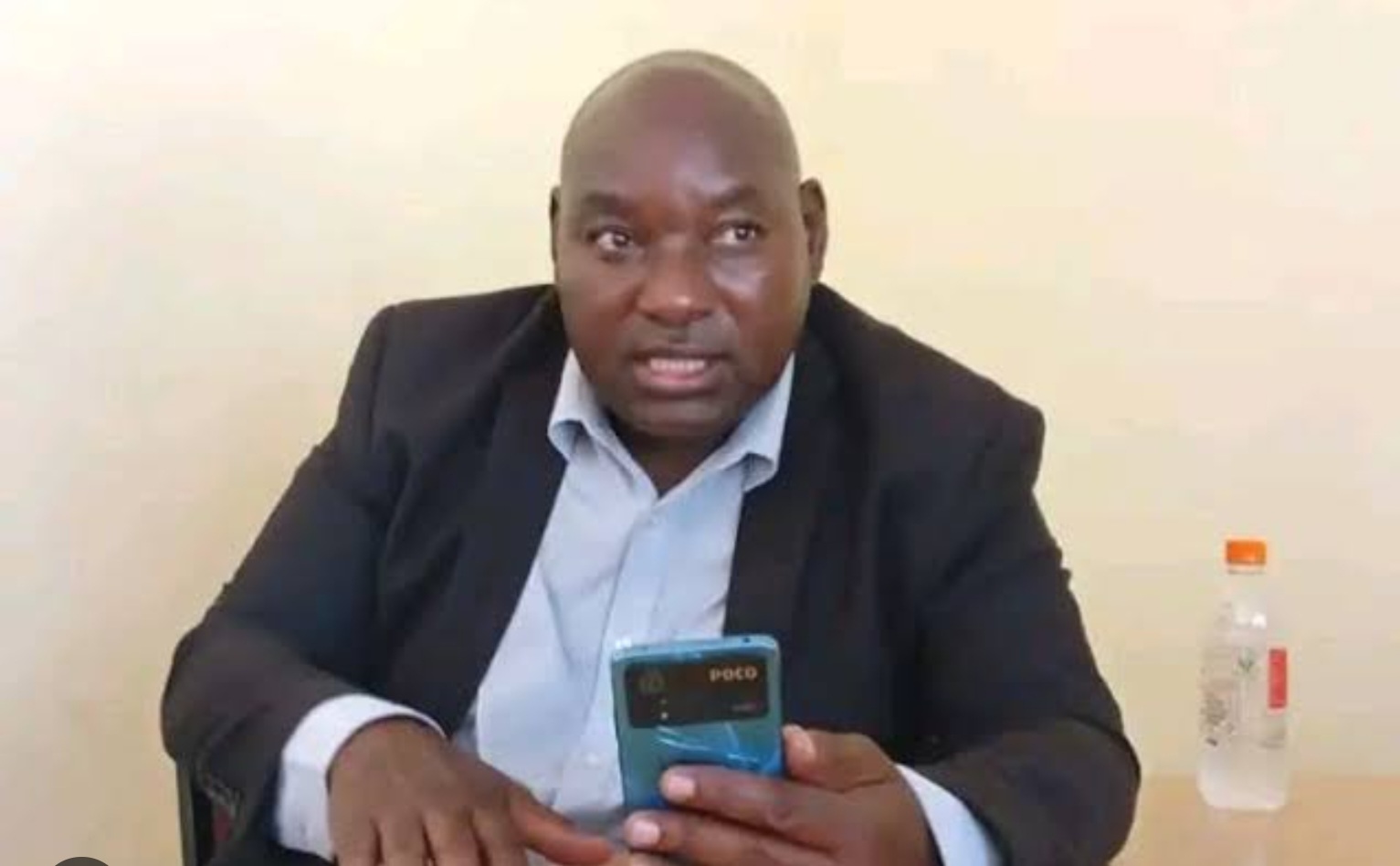
- MISA Malawi Chairperson Felix Washon delivered the statement, emphasizing the state's role in the lack of accountability for attacks on media professionals.
- The organization highlights that this impunity undermines media freedom and necessitates proactive legal and security measures for journalists.
- The statement serves as a call for state accountability to ensure justice and protect journalists from harm.
MISA Malawi's Stern Accusation
Lawyers advising media organizations or individual journalists in Malawi should note the ongoing concerns regarding state-fueled impunity for attacks, which may necessitate proactive risk assessment, enhanced security protocols, and strategic legal planning for potential human rights litigation or advocacy against state inaction.
The Media Institute of Southern Africa (MISA) Malawi has leveled a serious accusation against the state, asserting that it actively contributes to a culture of impunity. This environment, according to the organization, leaves journalists perilously exposed to various forms of aggression, including violence, intimidation, and direct threats. The significant statement was released on Monday, November 2, 2026, coinciding with the International Day to End Impunity for Crimes Against Journalists, an annual observance aimed at drawing global attention to the unpunished crimes against media professionals.
Felix Washon, the Chairperson of MISA Malawi, delivered the organization's strong message, underscoring the critical need for state intervention to safeguard media workers. The core of the accusation highlights a perceived failure by governmental bodies to ensure justice for attacks on journalists, thereby fostering a climate where perpetrators face no consequences. This alleged state-fueled impunity for journalists is a central concern for media freedom advocates in the nation, suggesting a systemic issue rather than isolated incidents.
The Pervasive Threat of Impunity
Impunity, in the context articulated by MISA Malawi, signifies the absence of accountability and punishment for individuals who commit offenses against journalists. This lack of legal consequence, whether through insufficient investigation, delayed prosecution, or inadequate sentencing, effectively emboldens those who seek to silence the press. The MISA Malawi state impunity journalists face creates a chilling effect, discouraging critical reporting and fostering an atmosphere of fear among media practitioners.
When perpetrators of Malawi journalist attacks impunity are allowed to operate without fear of justice, the fundamental principles of a free press are severely undermined. This situation not only endangers the physical safety of individual journalists but also compromises their ability to report freely and independently. The organization's statement implicitly argues that the state's role, or lack thereof, in addressing these crimes directly contributes to the perpetuation of violence and threats against those working in the media sector, making journalist safety Malawi a pressing concern.
Erosion of Media Freedom and Legal Implications
The alleged state-fueled impunity has profound implications for media freedom in Malawi, leading to significant Malawi media freedom concerns. When journalists operate under constant threat of violence and intimidation without adequate state protection or redress, self-censorship becomes an inevitable coping mechanism. This erosion of independent reporting limits the public's access to vital information and undermines democratic processes.
Lawyers advising media organizations or individual journalists in Malawi should note the ongoing concerns regarding state-fueled impunity for attacks, which may necessitate proactive risk assessment, enhanced security protocols, and strategic legal planning for potential human rights litigation or advocacy against state inaction. The MISA Malawi statement state accountability underscores the urgent need for a robust legal framework that not only protects journalists but also ensures swift and effective justice for any crimes committed against them. This situation demands that media entities consider all available legal avenues to protect their staff and advocate for a safer operating environment, highlighting the critical journalist safety Malawi legal implications.
A Global Call for Local Justice
The timing of MISA Malawi's statement, issued on the International Day to End Impunity for Crimes Against Journalists Malawi, strategically aligns local demands with a global movement. This international observance serves as a powerful reminder to governments worldwide of their obligation to protect media workers and ensure justice for crimes committed against them. MISA Malawi's Chairperson, Felix Washon, utilized this platform to amplify the call for greater state accountability within Malawi.
The organization's stance reinforces that the issue of Malawi journalist attacks impunity is not an isolated national problem but part of a broader, international struggle for press freedom and human rights. By drawing attention to the state's alleged role in fostering impunity, MISA Malawi is urging the Malawian government to uphold its commitments to the rule of law and to create an environment where journalists can perform their essential duties without fear of reprisal or violence, ensuring that justice is served for all attacks on the press.
Practical Implications
Lawyers advising media organizations or individual journalists in Malawi should note the ongoing concerns regarding state-fueled impunity for attacks, which may necessitate proactive risk assessment, enhanced security protocols, and strategic legal planning for potential human rights litigation or advocacy against state inaction.
Source
How does this affect you?
Get an AI analysis of this article grounded in your jurisdictions, practice areas, and any policy documents you've uploaded to Wansom.
Wansom is AI and can make mistakes.