
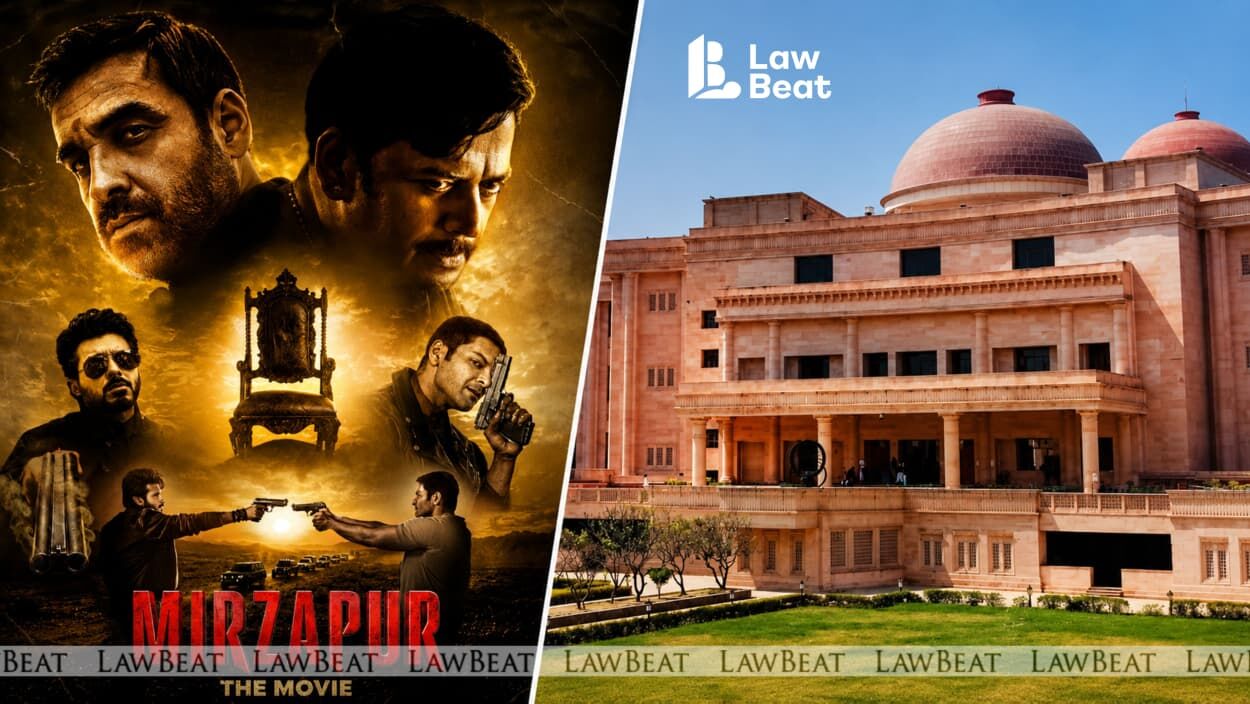
Allahabad High Court: Mirzapur The Movie PIL Seeks Release Ban
Summary
- An advocate has filed a Public Interest Litigation before the Allahabad High Court challenging the release of "Mirzapur: The Movie."
- The petition seeks to prevent the film's September 4, 2026 theatrical release unless alleged derogatory references to Mirzapur, explicit violence, and obscene content are removed.
- The petitioner claims the movie exploits Mirzapur's geographical identity, causing reputational harm and psychological humiliation to local residents.
- Legal grounds invoked include Sections 294 and 295 of the Bharatiya Nyaya Sanhita, Section 67 of the IT Act, and constitutional Articles 19, 21, and 39(f).
- Relief sought includes withholding the film's exhibition certificate and establishing guidelines against "commercial territorial defamation."
Legal Challenge to "Mirzapur: The Movie"
The petitioner argues that the film's depiction exploits the geographical identity of Mirzapur, portraying the district and the state of Uttar Pradesh in a manner that constitutes a 'derogatory' representation.
A Public Interest Litigation (PIL) has been lodged before the Allahabad High Court, specifically its Lucknow Bench, seeking to prevent the theatrical release of "Mirzapur: The Movie." The petition, filed by Advocate Shalu Pandey, targets the film's scheduled debut on September 4, 2026, demanding that its release be restrained until alleged derogatory references to Mirzapur, explicit violence, and obscene content are removed. This legal action represents a significant Mirzapur film release challenge in India.
The PIL names several key entities as respondents, including the Union Ministry of Information and Broadcasting, the Central Board of Film Certification (CBFC), Excel Entertainment Pvt Ltd, and Amazon Seller Services Pvt Ltd, which operates the streaming platform Prime Video. An accompanying application for interim relief specifically requests that Amazon Seller Services Pvt Ltd (Prime Video) defer the theatrical release and ensure the removal of the contentious content while the petition remains under consideration by the Allahabad High Court. This Amazon Prime Video Mirzapur legal challenge highlights the increasing scrutiny faced by content creators and distributors, particularly those operating on OTT platforms.
Allegations of Derogatory Portrayal and Harm
The petitioner argues that the film's depiction exploits the geographical identity of Mirzapur, portraying the district and the state of Uttar Pradesh in a manner that constitutes a 'derogatory' representation. This, it is claimed, causes significant reputational harm to local residents and replaces the region's distinct identity with an association of systematic criminality. Mirzapur, the petition emphasizes, possesses a rich cultural and religious heritage, including the revered Vindhyavasini Dham (Shakti Peeth) and internationally recognized GI-tagged carpet and brass handicrafts. The alleged misrepresentation, according to the petitioner, inflicts "severe psychological humiliation" upon the local populace, constituting a derogatory portrayal of Mirzapur film.
Furthermore, the plea extends its concerns to the film's content, alleging the presence of explicit violence, obscenity, profanity, sexual perversion, and "grotesque violence," drawing parallels to earlier seasons of the "Mirzapur" web series. It is contended that scenes involving abuse and sexuality are present, and that releasing the film in its original form would have an adverse effect on society at large and the residents of Uttar Pradesh. This comprehensive challenge to "Mirzapur: The Movie" underscores growing public sensitivity towards media portrayals of specific regions and communities.
Legal and Constitutional Framework Invoked
To bolster her objections against the film, Advocate Pandey has invoked several significant legal provisions. These include Sections 294 and 295 of the Bharatiya Nyaya Sanhita, 2023, which address obscenity and defiling places of worship respectively, and Section 67 of the Information Technology Act, 2000, pertaining to publishing or transmitting obscene material in electronic form. The petitioner asserts that the film's content falls squarely within the purview of these statutes, specifically citing Bharatiya Nyaya Sanhita 294 295 Mirzapur and IT Act 67 Mirzapur movie obscenity, warranting judicial intervention.
On constitutional grounds, the PIL references Article 19(1)(a) of the Indian Constitution, which guarantees freedom of speech and expression, but crucially highlights that this freedom is subject to "constitutionally permissible restrictions" under Article 19(2), including those related to decency and morality. The petition also invokes Article 21, arguing that the alleged derogatory portrayal affects the dignity and personal liberty of the petitioner and women. Additionally, Article 39(f), which reflects a constitutional concern for protecting children from exploitation and moral abandonment, is cited, with the petitioner contending that exposure to hyper-violent media can adversely affect minors. The plea also references the Supreme Court's decision in *Aparna Purohit v State of Uttar Pradesh & Anr.*, where anticipatory bail was granted in December 2022 concerning the "Tandav" web series, noting similar grievances regarding web-series content are currently under consideration by the apex court.
Demands for Regulatory Action and Broader Implications
The primary relief sought by the petitioner in this Mirzapur The Movie PIL Allahabad HC case is a mandamus directing the Central Board of Film Certification (CBFC) to refuse or withhold the exhibition certificate for "Mirzapur: The Movie" until all alleged objectionable references to Mirzapur, explicit violence, and obscenity are removed. This demand directly challenges the CBFC's role in film censorship and content approval.
Beyond the immediate film, the petition also seeks broader regulatory changes. It requests directions to the Union Ministry of Information and Broadcasting to formulate comprehensive guidelines aimed at preventing "commercial territorial defamation" and safeguarding the public morality of Mirzapur's local residents. This aspect of the PIL points towards a larger debate on content regulation in India, particularly concerning the portrayal of specific regions and communities, and the potential for legal frameworks to address perceived reputational harm caused by media. The Allahabad High Court film censorship PIL could set a precedent for future content challenges.
Practical Implications
This case highlights the increasing scrutiny on media content for alleged derogatory portrayal, obscenity, and potential 'territorial defamation,' particularly under new statutes like the Bharatiya Nyaya Sanhita. Lawyers advising film producers, distributors, and OTT platforms should monitor the Allahabad High Court's stance on content regulation and the scope of Article 19(2) restrictions.
Source
How does this affect you?
Get an AI analysis of this article grounded in your jurisdictions, practice areas, and any policy documents you've uploaded to Wansom.
Finish Reading the Full Story and the Expert Analysis.
Wansom is AI and can make mistakes.