
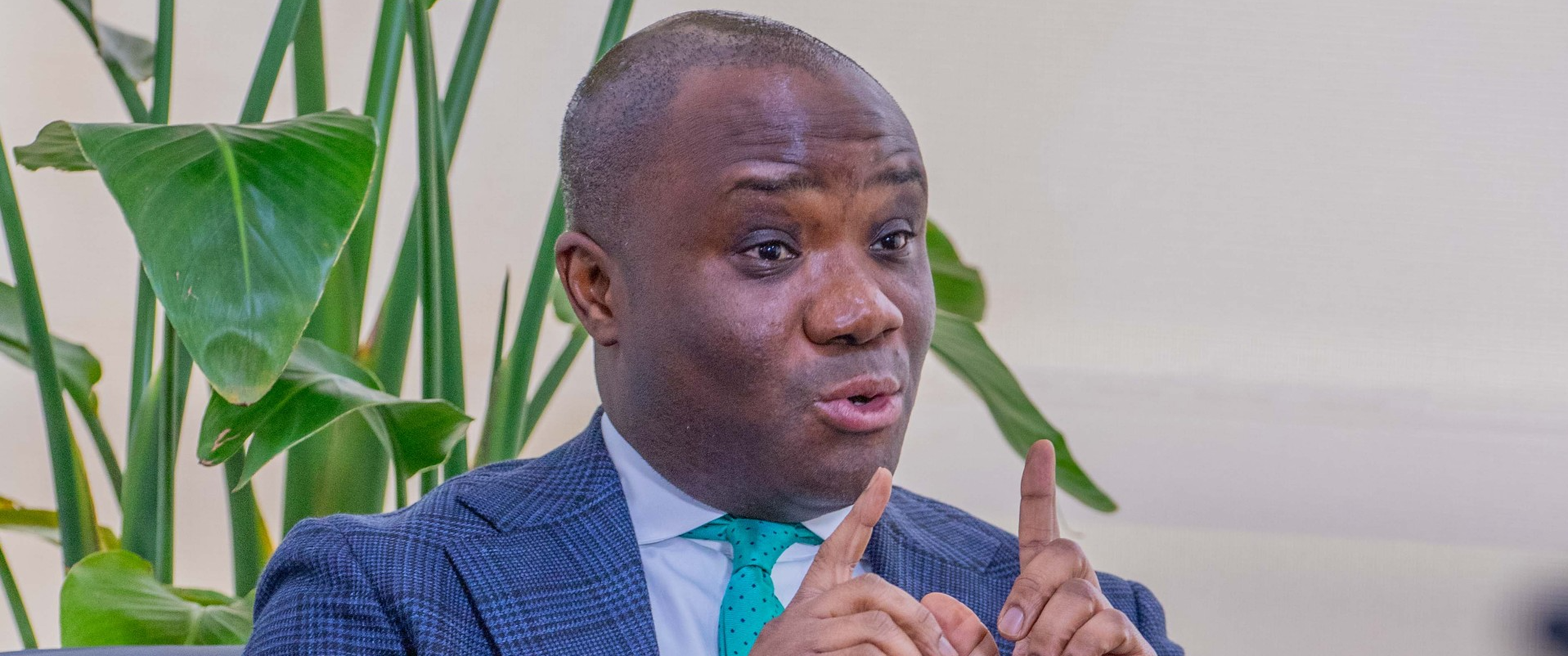
Kwakye Ofosu: Ghana Cocaine Probe Denial, No Officials Implicated
Summary
- Felix Kwakye Ofosu denied claims linking government or NDC members to cocaine trafficking investigations that were ongoing at the time.
- He stated no evidence had been presented to support the involvement of any official or party member.
- The denial followed President John Dramani Mahama's meeting regarding major cocaine seizures, including 3.9 tonnes by French customs from a Ghana-shipped container.
- Kwakye Ofosu emphasized that political affiliation would not protect anyone found guilty of drug trafficking.
- He confirmed that none of the ten individuals held in custody at the time were government members.
Denial Amidst Narcotics Probe
Political affiliation would not protect anyone found to have participated in the illegal trade, with such involvement constituting a crime against the state and a violation of Ghanaian law.
Felix Kwakye Ofosu, Ghana's Minister of State in charge of Government Communications, has publicly refuted allegations connecting members of the government or the National Democratic Congress (NDC) to investigations concerning cocaine trafficking through the nation's borders that were ongoing at the time. Speaking on Channel One TV on Thursday, September 17, Mr. Kwakye Ofosu asserted that no concrete evidence had been brought forward to substantiate the involvement of any government official or NDC member in these probes. He urged the public to refrain from speculation and rumor-mongering, emphasizing the importance of allowing security agencies to establish the facts without undue interference.
These statements from Mr. Kwakye Ofosu came just after President John Dramani Mahama convened a meeting with security chiefs on Thursday, September 17. The presidential meeting focused on significant cocaine seizures that had been linked to Ghana, highlighting the gravity of the situation. Among the incidents discussed was the interception of nearly 3.9 tonnes of cocaine by French customs authorities, discovered within a container that had been shipped from Ghana. The Minister's remarks aimed to address the public discourse surrounding these high-profile cases and the potential political implications.
Government's Unwavering Stance on Illicit Trade
In a clear declaration of the government's position, Mr. Kwakye Ofosu underscored that political affiliation would offer no sanctuary to individuals implicated in the illegal drug trade. He stressed that any high-ranking government official or NDC member found to be involved would be considered to have committed a crime against the state of Ghana and violated its laws. Consequently, such individuals would be subjected to the same legal processes as any other citizen found to be in breach of Ghanaian law, signaling a commitment to impartial justice in narcotics investigation.
The Minister also clarified that among the ten individuals currently held in custody in connection with the narcotics investigation at the time, none were members of the government. This detail further aimed to distance the administration from direct involvement in the alleged trafficking activities. Mr. Kwakye Ofosu reiterated that the primary objective remained to ensure accountability for all parties discovered to be involved and to implement measures that prevent the further trafficking of narcotics across Ghana's borders, reinforcing Ghana anti-narcotics enforcement efforts.
Commitment to Accountability and Enforcement
The government's explicit commitment, as articulated by Felix Kwakye Ofosu, to prosecute narcotics trafficking regardless of political affiliation, signals a heightened enforcement posture. This stance is crucial for maintaining public trust and demonstrating the state's resolve against organized crime. The investigations at the time and the President's direct involvement underscored the seriousness with which Ghana viewed drug trafficking allegations and its determination to combat illicit trade networks.
This robust approach to accountability aims to deter future attempts at using Ghana's borders for drug transit. By emphasizing that due process will apply universally, the government seeks to reinforce the rule of law and ensure that justice is served without prejudice. The focus remains on establishing facts and holding accountable anyone who violates Ghanaian law, irrespective of their standing or connections, thereby strengthening Ghana's overall anti-narcotics enforcement framework.
Practical Implications
Lawyers advising clients in Ghana's logistics, shipping, or trade sectors should note the government's explicit commitment to prosecuting narcotics trafficking regardless of political affiliation, signaling heightened enforcement and the need for robust compliance frameworks to mitigate exposure to illicit trade.
Source
How does this affect you?
Get an AI analysis of this article grounded in your jurisdictions, practice areas, and any policy documents you've uploaded to Wansom.
Finish Reading the Full Story and the Expert Analysis.
Get the latest legal & regulatory intelligence in Ghana
Wansom is AI and can make mistakes.