
MINEE: Strict Conditions For Douala 300MW Gas Plant Project
Summary
- Cameroon's Minister of Water and Energy, Gaston Eloundou Essomba, emphasized strict regulatory compliance for a 300 MW gas plant at the Port Autonome de Douala.
- Key clarifications required include operational licenses, electricity sale tariffs, and natural gas supply plans for the project.
- The project, estimated at 862 million euros, involves a combined cycle plant expandable to 500 MW and a 200 km gas pipeline from Kribi to Douala.
- An EPC contract was signed between DPPC SA and China National Machinery Import & Export Corporation (CMC) on November 16, with a 36-month completion target.
- Minister Essomba requested the participation of Port Autonome de Douala representatives in future meetings to clarify responsibilities and assess feasibility.
Regulatory Scrutiny for Douala Gas Plant
This clear directive highlights the government's focus on ensuring that the MINEE conditions Douala 300MW gas plant adhere to all legal frameworks, setting a precedent for future energy infrastructure developments.
The Cameroonian Minister of Water and Energy, Gaston Eloundou Essomba, recently emphasized the stringent regulatory conditions governing the proposed 300-megawatt gas-fired power plant at the Port Autonome de Douala. During a meeting in Yaoundé on November 18, 2026, with a delegation from the China National Machinery Import & Export Corporation (CMC), Minister Essomba reiterated that the project must strictly conform to existing energy regulations in Cameroun. This clear directive highlights the government's focus on ensuring that the MINEE conditions Douala 300MW gas plant adhere to all legal frameworks, setting a precedent for future energy infrastructure developments.
Critical areas requiring immediate resolution, as specified by the minister, include securing the necessary operational licenses, establishing a definitive electricity sale tariff, and confirming the natural gas supply strategy. Discussions with the CMC delegation specifically delved into the terms for electricity production and commercialization, the various authorizations needed, and the guaranteed availability of natural gas, which is fundamental for the plant's sustained operation. The minister's reminder underscores the importance of robust due diligence and compliance with the réglementation énergie Cameroun for all parties involved, including the China National Machinery Import Export Corporation.
Project Scope and Investment
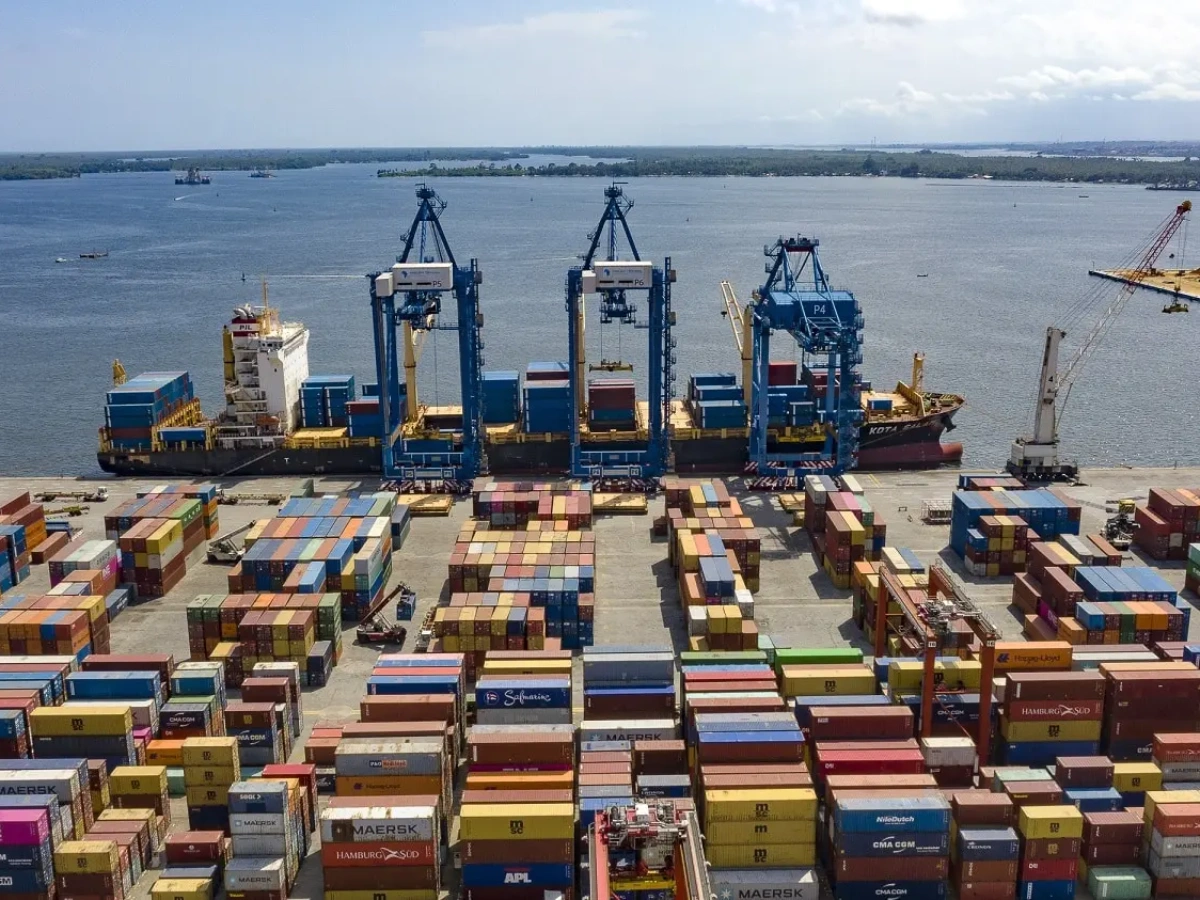
This significant energy initiative involves the construction of a 300 MW gas-fired power plant situated within the Port Autonome de Douala. Designed as a combined cycle facility, the plant possesses the capability for future expansion to 500 MW, promising a substantial increase in the region's power generation capacity. The primary aim of this Cameroun centrale gaz Douala is to provide electricity to businesses located within the port area, with any excess power slated for integration into the national grid, thereby bolstering the country's overall energy stability.
The financial outlay for this undertaking is estimated at 862 million euros, which translates to approximately 565.5 billion FCFA. A vital component of the infrastructure development is the planned construction of an approximately 200-kilometer gas pipeline, designed to transport natural gas from Kribi to Douala, passing through Édéa. This "projet gazoduc Kribi Douala" is indispensable for ensuring a consistent and reliable fuel source for the power plant. An Engineering, Procurement, and Construction (EPC) contract for the project was formally executed on November 16 between DPPC SA and CMC, with an anticipated completion period of 36 months.
Tariff Considerations and Stakeholder Engagement
Regarding the commercial aspects of the project, the Director General of ARSEL presented an initial estimate for the electricity sale tariff at 126 FCFA per kilowatt-hour. However, this proposed figure is considered preliminary and necessitates thorough further examination before finalization. The government, represented by Gaston Eloundou Essomba Douala, has affirmed its commitment to supporting this initiative, acknowledging its strategic importance for Cameroon's energy future.
Despite the government's supportive stance, Minister Essomba conveyed his disappointment regarding the absence of representatives from the Port Autonome de Douala during the November 18 meeting. He explicitly requested their mandatory participation in all subsequent working sessions. This involvement is deemed critical for clearly defining the responsibilities of the various stakeholders and for a comprehensive assessment of the project's overall feasibility. The active engagement of the Port Autonome de Douala gaz is crucial for ensuring the project's smooth execution and addressing any specific challenges related to its location and intended beneficiaries.
Practical Implications
Lawyers advising on energy infrastructure projects in Cameroon should note the MINEE's explicit reminder regarding strict regulatory compliance, licensing requirements, and tariff clarification for the Douala gas plant. This indicates a heightened focus on due diligence for all regulatory aspects, contractual agreements (like the EPC), and stakeholder engagement, particularly concerning the Port Autonome de Douala's involvement.
Source
How does this affect you?
Get an AI analysis of this article grounded in your jurisdictions, practice areas, and any policy documents you've uploaded to Wansom.
Finish Reading the Full Story and the Expert Analysis.
Get the latest legal & regulatory intelligence in Cameroon
Wansom is AI and can make mistakes.