
Microsoft: Launches Copilot for Legal AI Platform
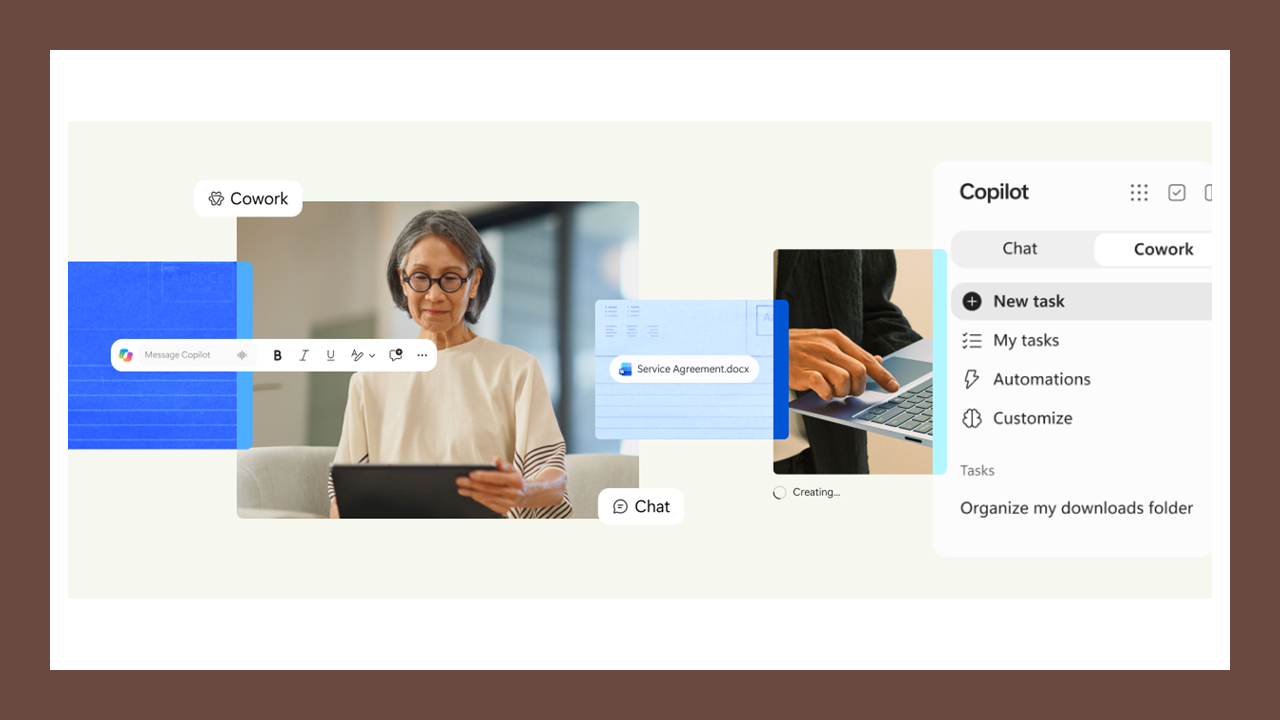
Microsoft today launched Copilot for Legal, offering over 20 legal-specific skills for contract review, drafting, and obligations tracking within Word and Cowork, making it the fourth major AI company in five months to introduce a dedicated legal offering. This new suite of tools builds upon the Legal Agent contract review and redlining tool previously released to Microsoft's Frontier early-access program, now integrating these capabilities as legal plugins within Copilot to support deeper document work and multi-file, multi-step processes.
This development signifies a pivotal moment for legal technology, as it integrates advanced AI capabilities directly into Microsoft Word, a ubiquitous platform for legal professionals, thereby lowering the barrier to adoption for sophisticated AI tools. The ability to perform tasks like contract review and drafting without leaving the familiar Microsoft 365 environment promises to significantly streamline legal workflows, enhance efficiency, and potentially redefine the nature of routine legal tasks, allowing practitioners to focus on more complex, strategic work.
While this is a technological rather than a judicial development, it operates within the evolving legal and ethical framework surrounding artificial intelligence, data privacy, and professional responsibility. Attorneys must navigate ethical obligations concerning client confidentiality, data security, and the accuracy and reliability of AI-generated content, ensuring proper human oversight of all AI-assisted work product. The legal industry is actively grappling with how existing rules of professional conduct apply to the use of generative AI, making this a critical area for ongoing regulatory and ethical consideration.
Key parties involved include Microsoft as the developer and provider of Copilot for Legal, alongside other major AI companies like Anthropic (Claude for Legal), Google (Gemini Enterprise for Legal), and OpenAI (Astra for Law), all of whom are vying for market share in the legal AI space. Microsoft emphasizes that its skills were built in collaboration with legal engineers, combining legal-specific reasoning with native Microsoft 365 capabilities, targeting practising attorneys and legal professionals as its primary users.
Practitioners should closely monitor the capabilities and limitations of these new AI tools, particularly Microsoft's offering due to its deep integration with existing legal workflows. Law firms and legal departments must develop robust internal policies for AI usage, focusing on data governance, client confidentiality, and ensuring that human attorneys maintain ultimate responsibility and oversight for all legal advice and work product. Understanding the nuances of how these tools apply legal reasoning and interact with native software features will be crucial for leveraging them effectively while mitigating potential risks and ensuring compliance with professional obligations.
How does this affect you?
Get an AI analysis of this article grounded in your jurisdictions, practice areas, and any policy documents you've uploaded to Wansom.
Finish Reading the Full Story and the Expert Analysis.
Get the latest legal & regulatory intelligence in United States
Wansom is AI and can make mistakes.