
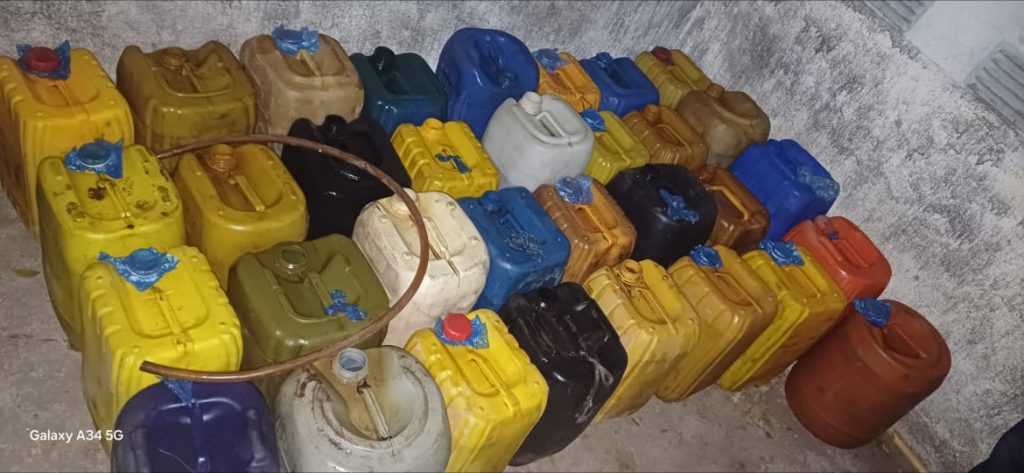
Mera: Offers Rewards for Fuel Whistle-Blowers
The Malawi Energy Regulatory Authority (MERA) has recently launched a financial reward scheme, offering up to K1.5 million to members of the public who provide information leading to the interception or recovery of illegally traded fuel in Malawi.
This initiative represents a significant step by MERA to enhance regulatory enforcement and combat illicit fuel trade, which often leads to revenue loss for the government, unfair competition for legitimate businesses, and potential safety hazards from unregulated products. The introduction of financial incentives for whistle-blowers is a common strategy to leverage public vigilance in regulatory oversight, potentially increasing the volume and quality of actionable intelligence. However, it also necessitates robust mechanisms for verifying information, protecting whistle-blowers, and ensuring due process for those accused.
Legally, this scheme operates within the framework of administrative law and regulatory enforcement powers granted to MERA under Malawian energy legislation. MERA's authority to issue public notices and implement such schemes stems from its mandate to regulate the energy sector, including ensuring compliance with fuel quality and trading standards. The scheme also touches upon aspects of criminal law, as illegal fuel trading is typically a prosecutable offense. The public notice, signed by MERA CEO Dad Chinthambi, serves as a formal communication of this new regulatory tool.
Key parties involved include the Malawi Energy Regulatory Authority (MERA), its Chief Executive Officer Dad Chinthambi, members of the public who act as whistle-blowers, and individuals or entities engaged in the illegal trading of fuel. The success of the scheme will depend on public trust, MERA's capacity to process and act on information, and the effectiveness of subsequent enforcement actions.
Legal professionals should advise clients in the energy sector, particularly those involved in fuel distribution and retail, to review their compliance frameworks in light of this enhanced enforcement environment. Businesses should ensure strict adherence to all licensing, quality, and trading regulations to mitigate risks of being targeted by whistle-blower reports. Attorneys should also be prepared to advise potential whistle-blowers on their rights, the process for reporting, and the protections available to them under Malawian law, while also counseling clients on defending against potentially unfounded allegations.
How does this affect you?
Get an AI analysis of this article grounded in your jurisdictions, practice areas, and any policy documents you've uploaded to Wansom.
Finish Reading the Full Story and the Expert Analysis.
Get the latest legal & regulatory intelligence in Malawi
Wansom is AI and can make mistakes.