
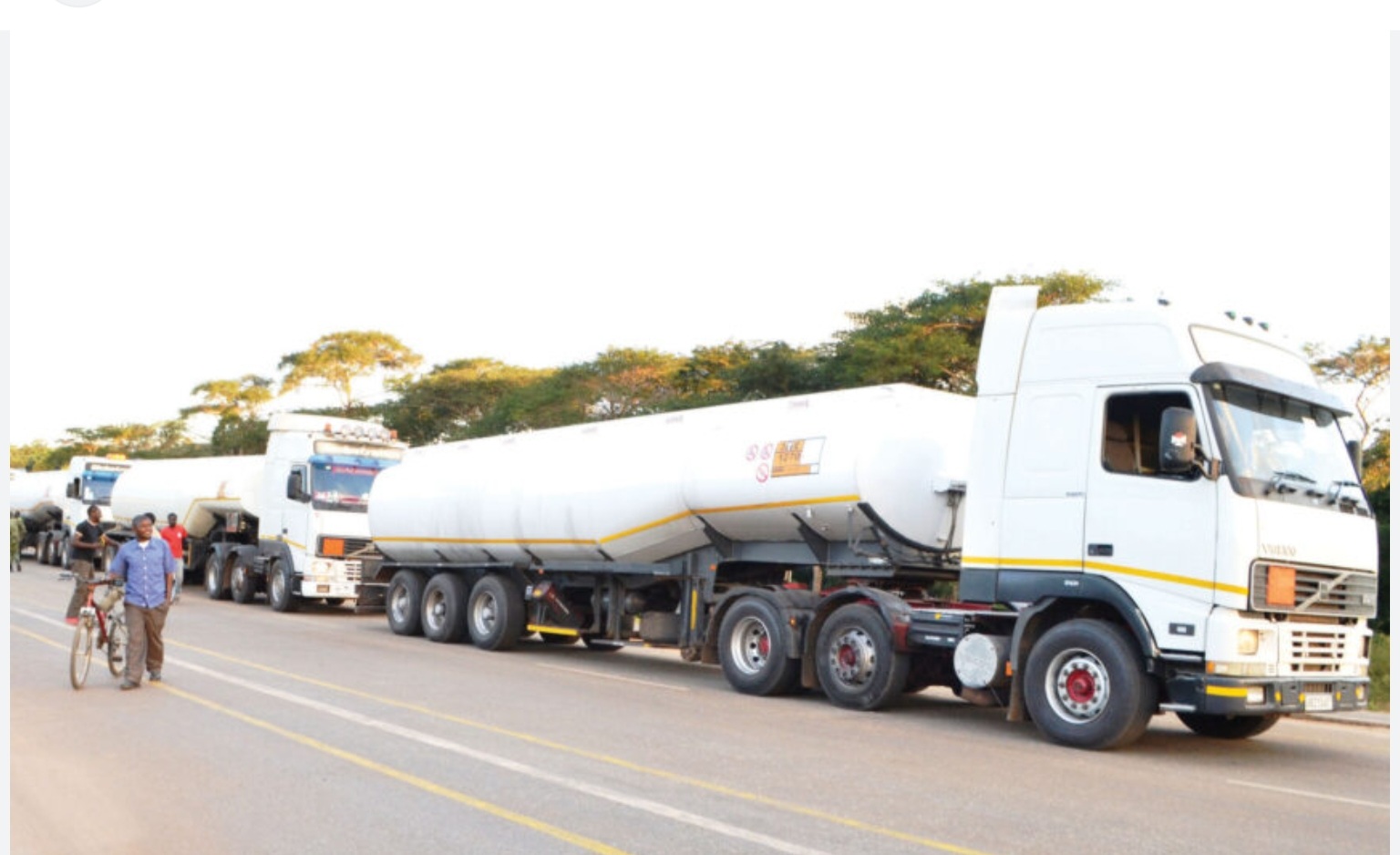
MERA: Malawi Fuel Import Waiver Allows Private Diesel Imports
Summary
- Malawi's energy regulator, MERA, has permitted selected private entities to import diesel for their own use.
- This initiative, signed by MERA chief executive Henry Kachaje, who was suspended in November 2026, aims to alleviate the country's persistent fuel shortages.
- Such private diesel import is subject to tax and duty waivers, which must be approved by the Ministry of Finance.
- The MERA tax duty exemption is strictly for the importing entity's own consumption, not for resale.
- The decision has sparked debate and is viewed as a new development in Malawi's economic crisis.
What Happened
The introduction of MERA's fuel import waiver is widely regarded as opening a new dimension in Malawi's ongoing economic crisis.
Malawi's energy regulator, MERA, has recently introduced a significant policy shift aimed at alleviating the nation's persistent fuel shortages. This development, communicated through a letter signed by MERA chief executive Henry Kachaje, who was suspended in November 2026, permits specific private institutions and companies to import diesel directly for their operational needs. The initiative is presented as a direct response to the ongoing challenges in securing adequate fuel supplies across the country, which have severely impacted various sectors.
The decision has, however, sparked considerable discussion and debate among various stakeholders. While proponents view it as a pragmatic step towards a Malawi fuel shortage solution, critics express concerns about its potential implications. The core of the policy allows these selected entities to bypass traditional supply channels, thereby ensuring their own continuity amidst the broader economic difficulties.
Regulatory Framework and Conditions
Crucially, this new arrangement is not without specific conditions. Any private diesel import under this scheme is contingent upon receiving tax and duty waivers. These exemptions are not granted automatically by MERA but require explicit approval from the Ministry of Finance. This stipulation underscores the government's intent to maintain a level of oversight and control over the process, even as it decentralizes a portion of fuel procurement.
The MERA tax duty exemption is strictly limited to diesel intended for the importing entity's own use, preventing its resale or distribution to other parties. This measure is designed to prevent market distortions and ensure that the imported fuel directly addresses the operational requirements of the approved institutions and companies, rather than creating a parallel commercial supply chain. The involvement of the Ministry of Finance in granting these waivers adds a layer of governmental scrutiny to each application.
Broader Economic Implications
The introduction of MERA's fuel import waiver is widely regarded as opening a new dimension in Malawi's ongoing economic crisis. The intense debate surrounding the policy highlights the deep-seated challenges the country faces in managing its resources and ensuring essential supplies. While the immediate goal is to mitigate fuel scarcity for critical operations, the broader economic ramifications of such a segmented import system are a subject of considerable public and expert scrutiny.
This move signals the government's recognition of the severity of the fuel supply issues and its willingness to explore unconventional methods to sustain economic activity. The effectiveness and equity of this approach, particularly concerning the selection of eligible entities and the transparency of the waiver approval process, will be critical in determining its long-term impact on Malawi's economic stability and its ability to navigate the current crisis.
Practical Implications
Lawyers and compliance officers should assess the eligibility criteria and application process for their clients or companies to obtain MERA's fuel import waivers, ensuring compliance with tax and customs regulations to mitigate supply chain risks during Malawi's economic crisis.
Source
How does this affect you?
Get an AI analysis of this article grounded in your jurisdictions, practice areas, and any policy documents you've uploaded to Wansom.
Finish Reading the Full Story and the Expert Analysis.
Get the latest legal & regulatory intelligence in Malawi
Wansom is AI and can make mistakes.