
US: Menocal v GEO Group Forced Labor Trial Jury Selection Begins
Summary
- A class action lawsuit alleges The GEO Group forced immigrant detainees at the Denver Contract Detention Facility to work for $1 per day under threat of solitary confinement.
- Plaintiffs claim the GEO Group violated the Trafficking Victims Protection Act and was unjustly enriched by the labor of at least 300 detainees, seeking over $5 million in wage violations.
- The GEO Group defends its actions by stating it followed government directives for a voluntary work program and argues its qualified immunity defense has been previously rejected.
- The trial begins amid broader scrutiny of immigrant detention facilities and other legal challenges facing the Aurora facility, including a tuberculosis outbreak investigation and a former GEO employee's criminal charges, which are proceeding to trial.
The Forced Labor Allegations
The lawsuit, initiated over a decade ago by Alejandro Menocal, alleges that GEO Group compelled immigrant detainees to perform various tasks for a mere $1 per day, or sometimes nothing at all, under threat of solitary confinement.
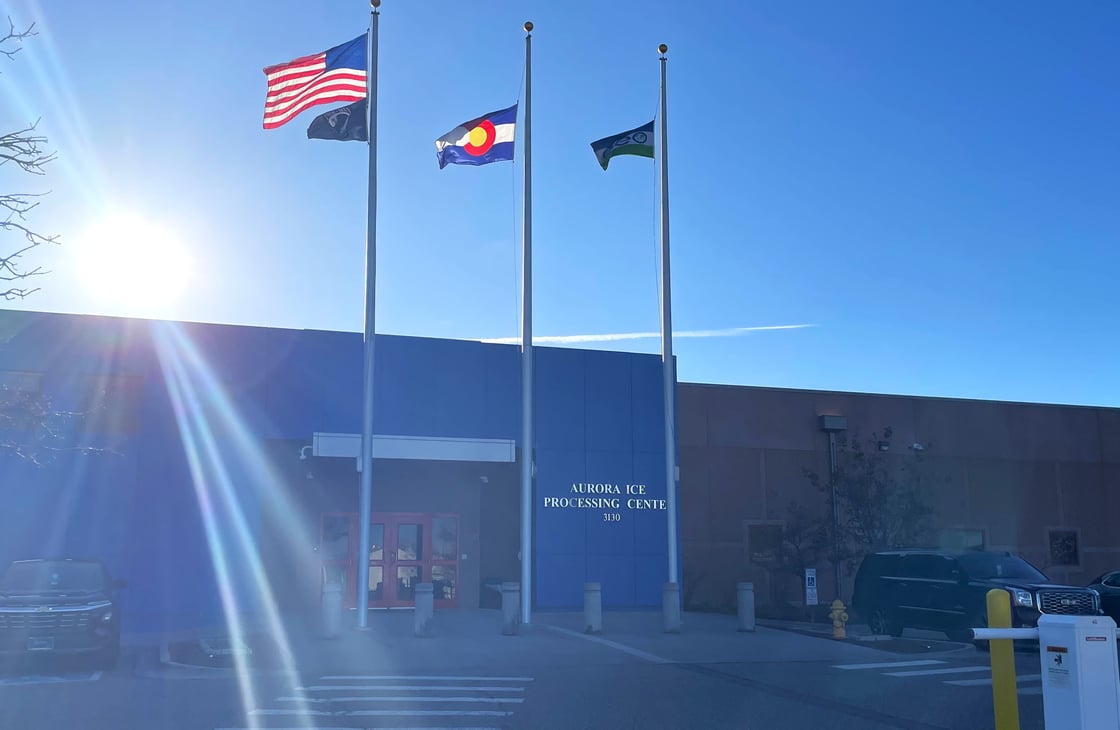
Jury selection has commenced in a federal trial against The GEO Group, a prominent for-profit contractor managing the Denver Contract Detention Facility in Aurora, Colorado, for U.S. Immigration and Customs Enforcement. The lawsuit, initiated over a decade ago by Alejandro Menocal, alleges that GEO Group compelled immigrant detainees to perform various tasks for a mere $1 per day, or sometimes nothing at all, under threat of solitary confinement. Menocal, who was held at the facility for three months in the summer of 2014, claims he was personally subjected to this system, where refusal to work could lead to isolation.
The class action, spearheaded by Menocal and eight other named plaintiffs, contends that GEO Group unjustly enriched itself through this labor practice, violating the Trafficking Victims Protection Act's prohibitions against forced labor. Detainees were reportedly tasked with a wide array of duties, including cleaning medical facility toilets, stripping and waxing floors, and handling laundry. Their responsibilities also extended to preparing and serving meals for fellow detainees, cooking for staff at GEO-sponsored events, preparing clothing for new arrivals, offering barber services, and performing clerical work. Menocal estimates that over $5 million in wage violations are owed to at least 300 immigrant detainees.
Legal Defenses and Prior Rulings
In its defense, The GEO Group asserts that its work program merely adhered to directives from U.S. Immigration and Customs Enforcement and Congress, which mandated contractors to implement voluntary work initiatives and pay wages of no less than $1 daily. The company argues that holding it accountable would not penalize misconduct but rather compliance with established standards essential for maintaining safety, security, and cleanliness within the facility. Furthermore, GEO Group characterizes the work as simply asking detainees to clean up after themselves and views segregation as a necessary disciplinary measure for order in any secure detention environment.
A key aspect of GEO Group's legal strategy involves claiming qualified immunity, contending that it was performing a government function by operating the work program. However, this specific argument has already been rejected by both Senior U.S. District Judge John Kane and the 10th Circuit Court, setting a significant precedent for the ongoing trial. The proceedings, which began with advisory jury selection on Monday, are anticipated to span three weeks as Menocal's legal team endeavors to demonstrate that GEO Group profited from the alleged forced labor of its detainees.
Broader Scrutiny and Financial Context
The Menocal v. GEO Group trial unfolds amidst heightened scrutiny of conditions within immigrant detention facilities nationwide, a focus intensified by the Trump administration's immigration policies that led to increased detentions and deportations. The Aurora facility itself, a 1,500-bed center, is currently embroiled in additional legal challenges. The Colorado Department of Public Health has initiated litigation to investigate reports of a tuberculosis outbreak in June, while GEO Group separately sued the state this year to prevent the enforcement of expanded inspection requirements passed by state lawmakers, a lawsuit that resulted in a federal judge partially blocking one provision of the law in August 2026, though the law largely remains in effect.
Adding to the facility's controversies, a former GEO employee faces criminal charges, which have been refined to first-degree assault and attempted first-degree assault, following an incident in July where they allegedly opened fire on a protester. A judge has since found enough evidence to proceed to trial. These various legal and public relations challenges highlight the complex operational environment for contractors like GEO Group. Financially, the company has seen substantial growth; when Menocal's lawsuit was first filed in 2014, GEO Group reported $1.52 billion in revenue, a figure that now regularly exceeds $2 billion annually.
Practical Implications
This trial highlights the significant legal and financial risks for government contractors operating detention facilities, particularly regarding detainee labor programs. Compliance officers and legal counsel for such contractors should scrutinize their "voluntary" work programs to ensure fair compensation and avoid potential forced labor claims under statutes like the Trafficking Victims Protection Act, especially given the court's rejection of qualified immunity defenses.
Source
How does this affect you?
Get an AI analysis of this article grounded in your jurisdictions, practice areas, and any policy documents you've uploaded to Wansom.
Wansom is AI and can make mistakes.