
India: Mediation Act 2023 Establishes Council, Professionalizing ADR
Summary
- Experts at IMF's ‘An Evening with Mediators’ discussed India's evolving mediation framework.
- Key topics included the recently enacted Mediation Act, 2023, and the establishment of the Mediation Council of India.
- Discussions focused on the Council's role, the institutional framework, and the professionalisation of mediation.
- The Mediation Act, 2023, provides a comprehensive legal structure for mediation in India.
- The Mediation Council of India is expected to regulate and professionalize mediation practices.
Recent Discussions on India's Mediation Landscape
Central to this new legal architecture is the establishment of the Mediation Council of India.
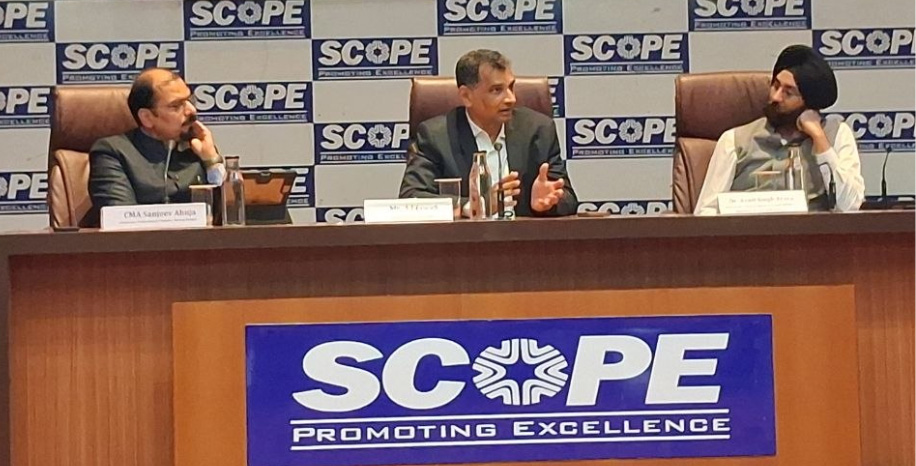
Experts recently convened at an event organized by IMF, titled ‘An Evening with Mediators,’ to delve into the significant transformations occurring within India's dispute resolution landscape. The primary focus of their discussions revolved around the recent enactment of the Mediation Act, 2023, and the subsequent establishment of the Mediation Council of India. This gathering provided a crucial platform for legal professionals and stakeholders to assess the implications of these pivotal legislative and institutional developments.
The discussions specifically addressed the evolving nature of the Indian mediation framework, highlighting how the new legislation aims to streamline and formalize mediation processes across the nation. Key areas explored included the specific functions and responsibilities envisioned for the newly formed Mediation Council of India, the broader institutional structures that will support mediation, and the critical drive towards the professionalisation of mediation practices within the country. These conversations underscore a concerted effort to elevate mediation as a robust and reliable alternative dispute resolution mechanism.
The Foundation of the New Framework
The enactment of the Mediation Act, 2023, marks a watershed moment for alternative dispute resolution in India. This legislation provides a comprehensive legal backbone for mediation, codifying practices and establishing clear guidelines where previously there might have been ambiguity. Its introduction is poised to significantly impact how disputes are resolved, encouraging a more structured and efficient approach to out-of-court settlements. The Act is designed to foster a culture of amicable resolution, reducing the burden on traditional judicial systems.
Central to this new legal architecture is the establishment of the Mediation Council of India. This body is mandated to play a pivotal role in overseeing the implementation and evolution of the Indian mediation framework. Its creation is a direct consequence of the Mediation Act 2023 India Council provisions, which empower it to regulate various aspects of mediation. The Council is expected to be instrumental in shaping the future trajectory of mediation, ensuring consistency and quality across the board.
Advancing Professional Standards in Mediation
A significant aspect of the recent expert discussions centered on the professionalisation of mediation in India, a goal directly supported by the Mediation Act, 2023, and the anticipated functions of the Mediation Council of India. This push towards professionalization involves setting rigorous standards for mediator qualifications, training, and ethical conduct. By establishing clear benchmarks, the aim is to enhance public trust in mediation as an effective and credible method for resolving conflicts.
The Mediation Council of India is expected to be the primary driver behind these professionalization efforts. Its role will likely encompass developing accreditation processes, formulating codes of conduct, and overseeing continuous professional development for mediators. This institutional oversight is crucial for ensuring that mediation services meet high standards of quality and impartiality, thereby strengthening the overall Indian mediation framework 2023 and its acceptance among disputing parties.
Implications for Legal Practitioners
The transformative changes introduced by the Mediation Act, 2023, and the formation of the Mediation Council of India carry significant implications for legal professionals, including lawyers and compliance officers, operating within India. It is imperative for these professionals to thoroughly familiarize themselves with the provisions of the new Act and the anticipated functions of the Council. This understanding is not merely academic; it is crucial for effectively advising clients on the evolving landscape of dispute resolution mechanisms available to them.
Furthermore, a deep comprehension of the new framework is essential for ensuring compliance with emerging professional standards for mediators and for guiding clients through the newly formalized mediation processes. As the Mediation Council of India takes on its regulatory responsibilities, legal advisors will need to stay abreast of its directives and guidelines to provide accurate and up-to-date counsel, thereby navigating the complexities of the updated Indian mediation framework 2023 effectively.
Practical Implications
Lawyers and compliance officers in India should familiarize themselves with the provisions of the new Mediation Act, 2023, and the functions of the Mediation Council of India. This understanding is crucial for advising clients on evolving dispute resolution mechanisms and ensuring compliance with new professional standards for mediators.
Source
Source: Original reporting via SCC Times
How does this affect you?
Get an AI analysis of this article grounded in your jurisdictions, practice areas, and any policy documents you've uploaded to Wansom.
Wansom is AI and can make mistakes.