
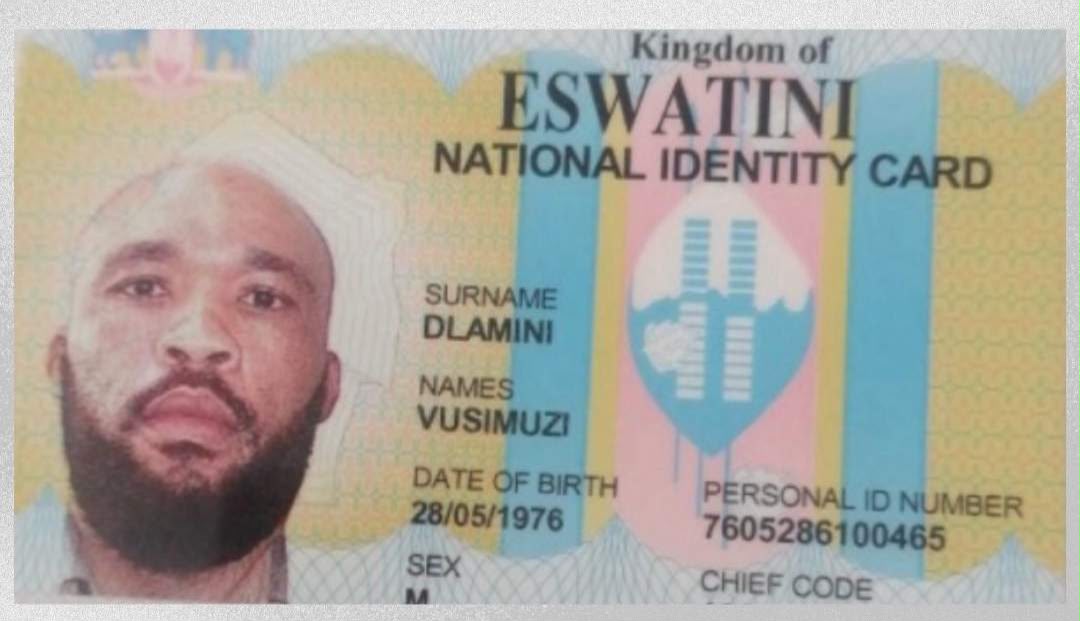
Mbabane Magistrates Court: Nonhlanhla Malambe Trial for Aiding Cat Matlala ID Scandal
Summary
- Nonhlanhla Malambe, a Home Affairs employee, is on trial for allegedly helping South African businessman Vusimuzi 'Cat' Matlala obtain an Eswatini identity card.
- The court heard allegations that Malambe accepted a bribe from Matlala in exchange for the document, which is a serious offense in Eswatini.
- If convicted, Malambe could face severe penalties, including imprisonment and fines, setting a precedent for future cases involving identity document fraud.
- The trial highlights the vulnerability of Eswatini's identity card system to corruption and abuse, sparking widespread interest and concern among citizens.
What Happened
Shongwe stated that Matlala did not provide any documentation to support his claim, and instead offered a bribe in exchange for the document.
The trial of Nonhlanhla Malambe, a Home Affairs employee accused of helping South African businessman Vusimuzi 'Cat' Matlala obtain an Eswatini identity card, has finally begun at the Mbabane Magistrates Court. The court heard allegations that Malambe had assisted Matlala in acquiring the document, which is a serious offense in Eswatini. The first witness to take the stand was Mcolisi Shongwe, who testified about how the alleged fraud occurred.
Shongwe's testimony revealed that Matlala had approached Malambe with the request for an identity card, claiming he needed it for business purposes. However, Shongwe stated that Matlala did not provide any documentation to support his claim, and instead offered a bribe in exchange for the document.
Legal Context
The trial of Nonhlanhla Malambe has significant implications for Eswatini's identity card system. The country takes strict measures to prevent the misuse of its citizens' personal documents, and obtaining an identity card through fraudulent means is a serious offense. If convicted, Malambe could face severe penalties, including imprisonment and fines. The case also highlights the vulnerability of Eswatini's identity card system to corruption and abuse.
The trial has sparked widespread interest in Eswatini, with many citizens expressing concern about the potential for identity document fraud. The government has been under pressure to strengthen its measures to prevent such cases, and this trial is seen as a crucial test of its ability to do so.
Why It Matters
The outcome of Nonhlanhla Malambe's trial will have far-reaching implications for Eswatini's identity card system. If convicted, the case could set a precedent for future cases involving identity document fraud in the country. Lawyers and experts are closely watching the trial, as it may impact how similar cases are handled in the future.
The trial also raises questions about the accountability of government officials in Eswatini. Malambe's alleged actions have sparked outrage among citizens, who demand greater transparency and accountability from their leaders. The case serves as a reminder that corruption and abuse of power can have serious consequences for individuals and society as a whole.
Practical Implications
Lawyers should watch for the potential precedent set by this trial, which may impact future cases involving identity document fraud in Eswatini.
Source
How does this affect you?
Get an AI analysis of this article grounded in your jurisdictions, practice areas, and any policy documents you've uploaded to Wansom.
Wansom is AI and can make mistakes.