
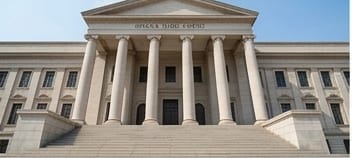
Pietermaritzburg High Court: Mayor Myeza Court Restrictions Extended Indefinitely
Summary
- The Pietermaritzburg High Court indefinitely extended restrictions on Inkosi Langalibalele Mayor Mduduzi Sobholenyoni Myeza.
- These restrictions prohibit the mayor from anti-immigrant social media posts and entering foreign-owned shops.
- The legal action against Mayor Myeza was brought by foreign nationals and Kopanang Africa Against Xenophobia, citing anti-immigrant posts and shop raids.
- March and March leader Jacinta Ngobese-Zuma defended her movement's controversial meeting with AfriForum, stating it aimed to learn about community programs.
- Mayor Myeza maintains his actions were part of his mayoral duties, while the court awaits full arguments in the case.
Court Extends Restrictions on Inkosi Langalibalele Mayor
This development signals the judiciary's firm stance on accountability for public officials engaging in anti-immigrant rhetoric or actions, particularly on social media.
The Pietermaritzburg High Court has indefinitely extended restrictions placed upon Inkosi Langalibalele Mayor Mduduzi Sobholenyoni Myeza, following his appearance on Friday. This significant development means the mayor will continue to be prohibited from making anti-immigrant social media posts and from entering foreign-owned businesses. The court's decision came as Mayor Myeza sought to challenge these existing limitations, which stem from a legal action initiated by foreign nationals and the advocacy group Kopanang Africa Against Xenophobia.
The Mayor's Legal Challenge and Previous Orders
Mayor Myeza's legal battle saw him return to the Pietermaritzburg High Court to contest the restrictions previously imposed upon him. He maintains that his actions, which led to the legal challenge, were undertaken as part of his official duties as mayor. The court had previously issued an interim order that specifically curtailed his ability to post on social media regarding immigrants and barred his access to foreign-owned shops. This interim order was notably extended in August 2026, setting a future date for its continuation.
However, the latest ruling on Friday saw the court decide to extend these restrictions indefinitely. This means the limitations will remain in place without a specified end date, pending the submission and consideration of full arguments from all parties involved in the case. The court's decision to prolong these measures reflects the gravity of the allegations and the need for a comprehensive review of the evidence and legal arguments before a final determination is made in this Inkosi Langalibalele Mayor legal battle.
March and March Leader Defends Controversial Alliances
Amidst the court proceedings, Jacinta Ngobese-Zuma, the leader of the March and March movement, voiced strong opinions outside the Pietermaritzburg High Court. She declared her lack of fear towards white people and asserted that politicians should not exploit South Africa's painful racial history to dictate the alliances her movement forms. Ngobese-Zuma's comments were a direct response to criticism March and March received for its meeting with AfriForum, which she believes politicians are attacking by leveraging historical fears and mistrust associated with apartheid.
Ngobese-Zuma emphasized that her movement's engagement with AfriForum was driven by a desire to learn about programs that could benefit impoverished communities in townships and rural areas, rather than to engage in debates about land or genocide. She highlighted her personal history of challenging racial and linguistic norms from a young age, including successfully advocating for isiZulu prayers in her school. For Ngobese-Zuma, the true measure of any partnership is its potential to assist struggling communities, and she affirmed that March and March would continue to collaborate with any entity sharing this vision, irrespective of public criticism.
Implications for Public Officials and Anti-Immigrant Rhetoric
The indefinite extension of the restrictions on Inkosi Langalibalele Mayor Mduduzi Sobholenyoni Myeza carries significant implications for public officials and their conduct, particularly concerning anti-immigrant rhetoric and actions. This development signals the judiciary's firm stance on accountability for public officials engaging in anti-immigrant rhetoric or actions, particularly on social media. The ongoing legal battle, initiated by foreign nationals and Kopanang Africa Against Xenophobia, underscores the serious consequences that can arise from such conduct, especially when it involves demands for people to leave certain areas or targets specific businesses.
The court's decision reinforces the principle that public office does not grant immunity from legal challenge when actions are perceived to incite xenophobia or violate rights. While Mayor Myeza maintains his actions were part of his mayoral duties, the court's continued imposition of a South Africa anti-immigrant order suggests a judicial commitment to upholding constitutional protections. This case serves as a crucial precedent, highlighting the need for careful consideration of public statements and actions by municipal leaders, particularly in sensitive areas like immigration.
Practical Implications
This development signals the judiciary's firm stance on accountability for public officials engaging in anti-immigrant rhetoric or actions, particularly on social media. Lawyers advising municipal or public sector clients should review social media policies and conduct guidelines to mitigate similar legal exposures.
Source
Source: Original reporting via Scrolla
How does this affect you?
Get an AI analysis of this article grounded in your jurisdictions, practice areas, and any policy documents you've uploaded to Wansom.
Wansom is AI and can make mistakes.