
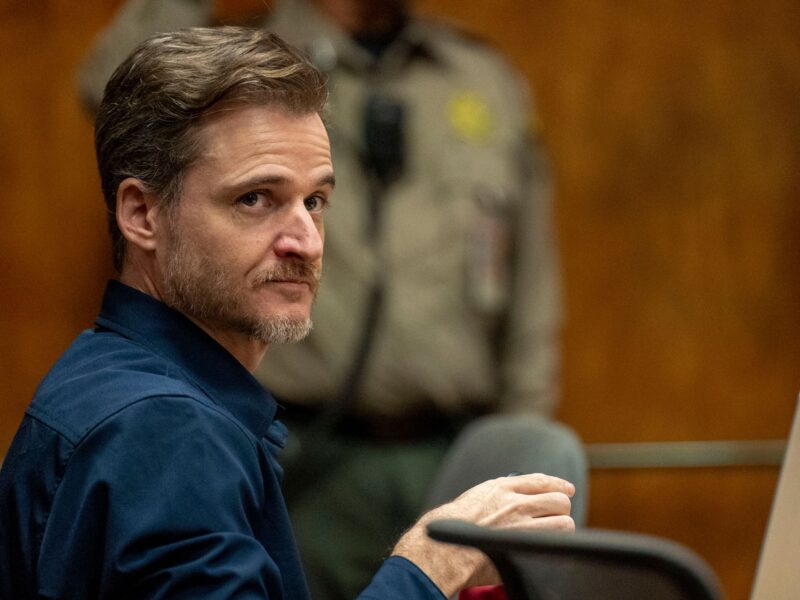
Maui Doctor Convicted of Attempted Manslaughter Seeks New Trial Based on Juror Statements
Summary
- A Maui anesthesiologist was convicted in April 2026 of attempted manslaughter with extreme mental or emotional disturbance for attacking his wife on a cliffside trail in Oahu.
- Two jurors made statements after the verdict that Konig's attorney is arguing should be considered in a new trial motion.
- The case raises questions about the secrecy of jury deliberations and whether juror statements can be considered in post-verdict motions.
- Konig's motion for a new trial is still pending, with a further hearing scheduled for September 11, 2026.
What Happened
Konig's attorney is arguing that the jurors' comments were objective results rather than internal deliberations, which are protected by a rule barring inquiry into jurors' mental processes.
A Maui anesthesiologist, Gerhardt Konig, was convicted in April 2026 of attempted manslaughter with extreme mental or emotional disturbance for attacking his wife on a cliffside trail in Oahu. The conviction was based on the prosecution's original charge of second-degree attempted murder, which the jury rejected. Konig testified that he acted in self-defense after his wife allegedly attacked him first. However, prosecutors argued that Konig tried to push his wife off a cliff, then stabbed her with a syringe and struck her twice with a rock. The case has now taken an unexpected turn as Konig's attorney argues for a new trial based on statements made by two jurors after the verdict.
Relevant Legal/Regulatory Context
The issue at hand revolves around the secrecy of jury deliberations and whether juror statements can be considered in post-verdict motions. In this case, Konig's attorney is arguing that the jurors' comments were objective results rather than internal deliberations, which are protected by a rule barring inquiry into jurors' mental processes. However, the prosecution counters that the jurors were describing how they reached their verdict, which is precisely what the rule is designed to keep out of the courtroom. This raises questions about the potential for jurors to inadvertently reveal their decision-making process and its impact on future trials. Oahu First Circuit Judge Paul Wong held a hearing on August 14, 2026, and indicated he would question jurors about their post-verdict statements, with a further hearing scheduled for September 11, 2026.
Why It Matters
This development highlights the potential for jurors to inadvertently reveal their decision-making process, which could impact future trials and lead to increased scrutiny of juror statements post-verdict. The case also raises questions about the balance between maintaining jury secrecy and ensuring that justice is served. If Konig's motion for a new trial is granted, it could set a precedent for similar cases in the future and have far-reaching implications for the judicial system. Konig remains in custody without bail while the motion for a new trial is pending.
Practical Implications
This development highlights the potential for jurors to inadvertently reveal their decision-making process, which could impact future trials and lead to increased scrutiny of juror statements post-verdict.
Source
How does this affect you?
Get an AI analysis of this article grounded in your jurisdictions, practice areas, and any policy documents you've uploaded to Wansom.
Wansom is AI and can make mistakes.