
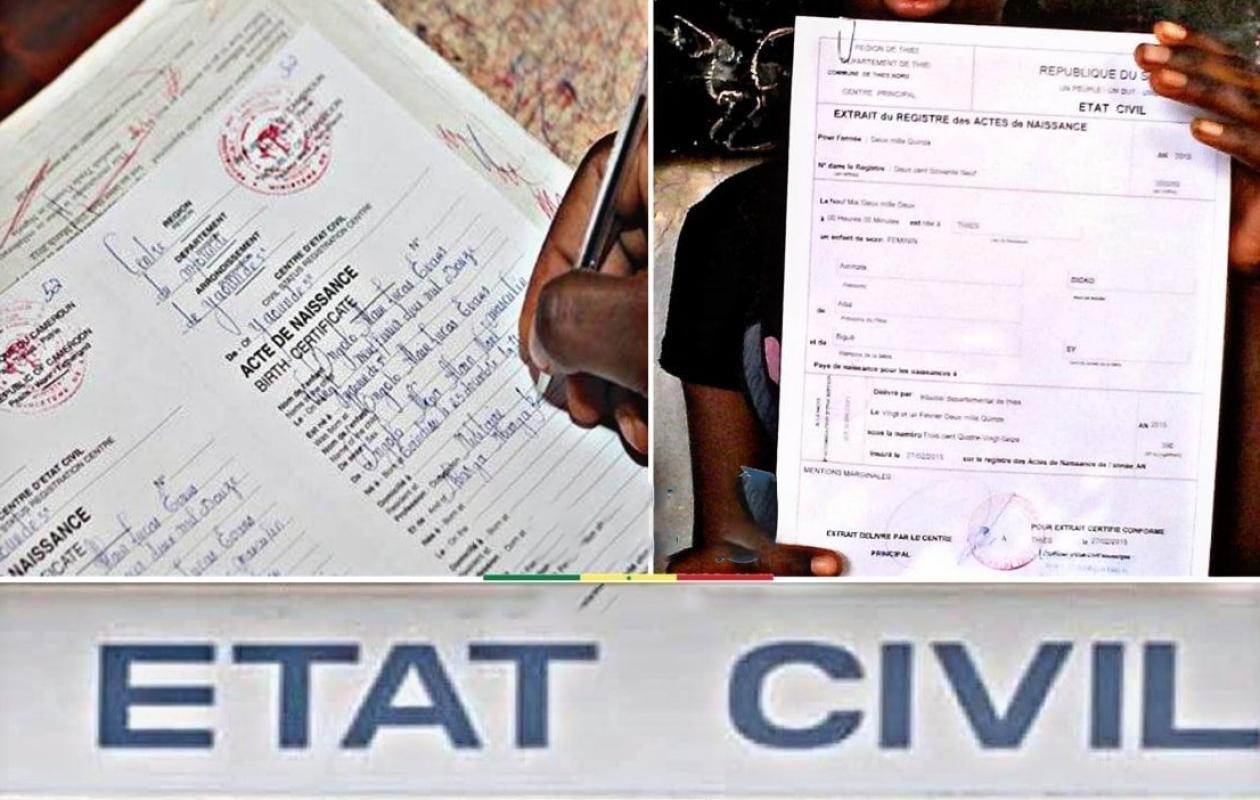
Matar Ndao: Senegal ANEC Director Acknowledges État Civil Fraud
Summary
- Matar Ndao, Director General of ANEC, confirmed the existence of widespread fraud within Senegal's civil status management system.
- He attributed the fraud to a historically manual system, lack of harmonized procedures, and poor IT database management.
- Human factors like insufficient agent training, low pay, and irresponsible conduct also contribute to the vulnerabilities.
- Ndao specifically highlighted fraudulent practices related to identity searches as a key concern.
- On February 25, 2026, ANEC visited Cambérène to propose solutions for outdated registers and discuss issues like slow document delivery and vulnerable physical archives.
ANEC Director Confirms Widespread Civil Registry Fraud
For legal and compliance professionals operating in Senegal, Ndao's candid assessment of Matar Ndao civil status issues carries profound implications.
Matar Ndao, who serves as the Director General of Senegal's Agence nationale de l’État civil (ANEC), has publicly acknowledged the pervasive issue of fraud within the nation's civil status management system. This admission highlights significant vulnerabilities in the processes governing birth, marriage, and death records across the country. Ndao characterized the problem as deeply rooted and historical, noting that while such fraudulent activities are not new, they are now being identified and reported with greater frequency and public visibility.
The Director General's statements underscore a critical challenge for the integrity of official identity documentation in Senegal. He specifically linked the prevalence of Matar Ndao Senegal état civil fraud to a system that has historically relied heavily on manual administration. This long-standing reliance on non-digital methods has created fertile ground for irregularities, making the system susceptible to manipulation and error, particularly impacting the reliability of civil status information.
Systemic Weaknesses Fueling Identity Document Fraud Risks
Ndao elaborated on several fundamental weaknesses contributing to the widespread fraud, painting a picture of a fragile infrastructure within the ANEC Senegal civil registry. A significant factor identified was the absence of harmonized procedures across the various civil registration offices, leading to inconsistencies and gaps that fraudsters could exploit. Furthermore, the agency's poor mastery of certain existing IT databases was cited as another critical vulnerability, indicating that even where digital systems exist, their ineffective implementation or management compromises their security.
Beyond procedural and technological shortcomings, human factors were also highlighted as central to the problem. Matar Ndao pointed to a lack of adequate training for civil registry agents, which can lead to operational errors or a lack of understanding of secure practices. Compounding this, the weakness of remuneration for these agents was mentioned, suggesting a potential incentive for illicit activities. The Director General also directly addressed the irresponsible behavior of certain individuals within the agency, particularly in practices related to fraudulent identity search Senegal, where compromised agents facilitate the creation or alteration of records. These combined elements contribute significantly to the Senegal identity document fraud risks.
ANEC's Proactive Steps and Broader Implications
In response to these pressing issues, Matar Ndao and an ANEC delegation undertook a visit to Cambérène on February 25, 2026. The purpose of this engagement was to present concrete solutions aimed at addressing the challenges posed by outdated civil registers and the inherent risks of fraud. During their discussions with the municipal team in Cambérène, the ANEC representatives specifically addressed critical operational concerns, including the protracted delays in the issuance of essential documents and the significant vulnerability of physical archives to damage or manipulation.
This proactive engagement by the Agence nationale de l’État civil vulnerabilities signals a commitment to reform, acknowledging the urgent need to modernize and secure the national civil registry. For legal and compliance professionals operating in Senegal, Ndao's candid assessment of Matar Ndao civil status issues carries profound implications. The official recognition of systemic fraud within the national civil registry necessitates a heightened level of due diligence when verifying client identity, marital status, birth, or death records. Documents originating from this system must now be viewed with an increased awareness of their potential unreliability, signaling that future reforms or investigations could significantly impact legal proceedings reliant on civil status documentation.
Practical Implications
Lawyers and compliance officers in Senegal must be aware of the officially recognized systemic fraud within the national civil registry. This necessitates enhanced due diligence when verifying identity, marital status, birth, or death records for clients, as documents from this system carry a heightened risk of unreliability. It signals potential future reforms or investigations that could impact legal proceedings relying on civil status documentation.
Source
Source: Original reporting via Kawtef.
How does this affect you?
Get an AI analysis of this article grounded in your jurisdictions, practice areas, and any policy documents you've uploaded to Wansom.
Wansom is AI and can make mistakes.