
Martha Dobberstein: N$4M Theft Case Postponed Until April 2025
Summary
- Martha Dobberstein, a 78-year-old pensioner, is accused of stealing over N$4 million.
- The alleged theft occurred from deceased estates where she served as administrator.
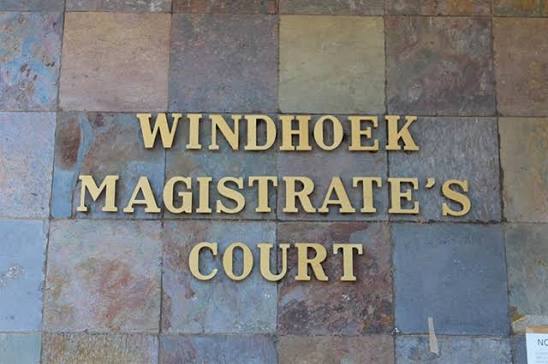
- Her case was recently heard at the Windhoek Magistrate’s Court on Friday.
- The court proceedings have been postponed until April of next year.
What Happened
The allegations against Martha Dobberstein, involving the theft of over N$4 million from deceased estates, carry significant implications beyond the immediate legal proceedings.
The criminal proceedings against Martha Dobberstein, a 78-year-old pensioner, have been further delayed, with her N$4 million theft case now adjourned until April of next year. This recent development occurred during her appearance at the Windhoek Magistrate’s Court on Friday, marking another postponement in the ongoing legal battle. The case, which centers on serious allegations of financial misconduct, continues to draw attention due to the substantial sum involved and the nature of the accused's alleged actions.
Ms. Dobberstein stands accused of misappropriating more than N$4 million. These funds were allegedly stolen from various deceased estates for which she had been appointed as the administrator. The core of the accusation in this pensioner estate administrator theft case is that she exploited her position of trust, diverting significant assets intended for beneficiaries. The Windhoek Magistrate's Court Dobberstein hearing on Friday confirmed the continued judicial process, pushing the resolution of this high-profile matter into the next calendar year.
Legal Context and Administrator Duties
The role of an estate administrator in Namibia carries significant legal responsibilities and a high degree of trust. Individuals appointed to this position are tasked with managing and distributing the assets of deceased persons according to their wills or the laws of intestacy. This involves identifying all assets and liabilities, settling debts, and ultimately ensuring that the remaining estate is properly conveyed to the rightful heirs. The alleged N$4 million deceased estates fraud underscores the critical importance of integrity in such roles, as administrators are privy to sensitive financial information and have direct control over substantial assets.
Any breach of these fiduciary duties, particularly involving the alleged theft of funds, represents a serious violation of legal and ethical obligations. The legal system places robust mechanisms to ensure accountability, given the vulnerability of deceased estates and their beneficiaries. The ongoing Namibia criminal case postponement for Ms. Dobberstein highlights the protracted nature of legal proceedings when such complex financial allegations are brought before the courts, emphasizing the thoroughness required in investigating and prosecuting these matters.
Why This Case Matters
The allegations against Martha Dobberstein, involving the theft of over N$4 million from deceased estates, carry significant implications beyond the immediate legal proceedings. Such cases can erode public confidence in the system of estate administration, raising concerns about the security of assets entrusted to administrators. For families and beneficiaries, the alleged misappropriation of funds can lead to severe financial hardship and emotional distress, compounding the grief of losing a loved one.
The continued attention on the Martha Dobberstein N$4m theft case postponement underscores the judiciary's commitment to addressing serious financial crimes, particularly those involving positions of trust. The outcome of this case will be closely watched by legal professionals and the public alike, as it could reinforce the need for stringent oversight and accountability measures within the estate administration sector in Namibia. The substantial amount involved, coupled with the accused's role as a pensioner estate administrator, makes this a particularly poignant example of the challenges faced in safeguarding deceased estates.
Practical Implications
Lawyers and compliance officers involved in estate administration in Namibia should monitor this case for developments regarding the accountability of administrators, as it highlights potential risks and the need for robust oversight mechanisms to prevent misappropriation of funds from deceased estates.
Source
How does this affect you?
Get an AI analysis of this article grounded in your jurisdictions, practice areas, and any policy documents you've uploaded to Wansom.
Finish Reading the Full Story and the Expert Analysis.
Get the latest legal & regulatory intelligence in Namibia
Wansom is AI and can make mistakes.