
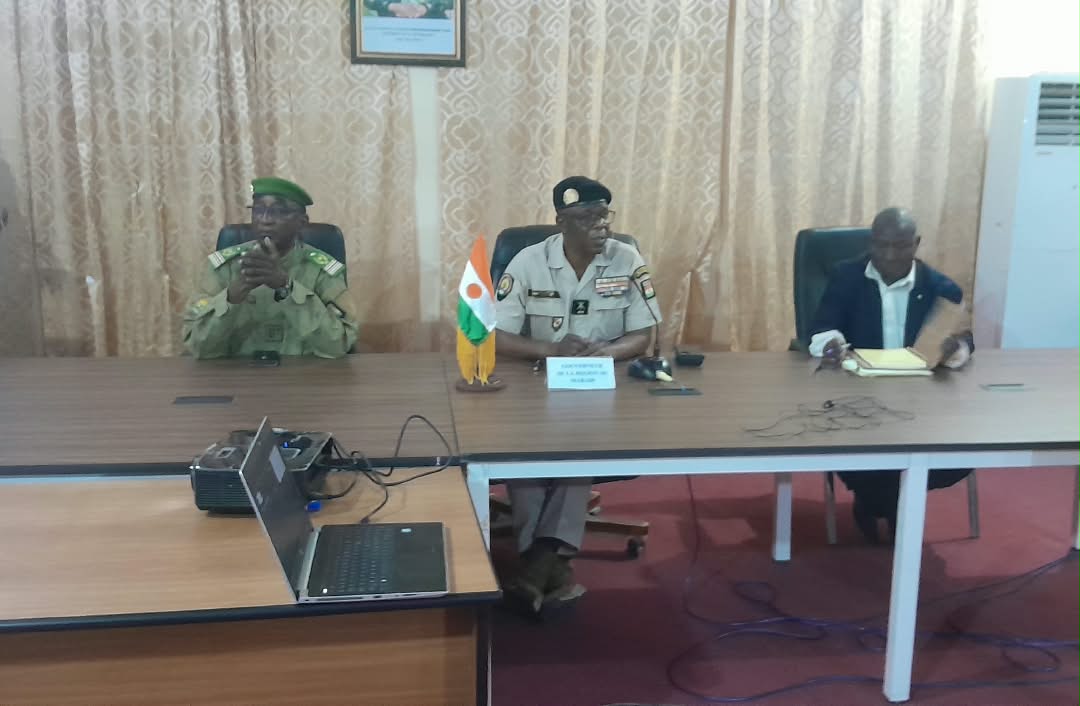
Maradi Governor: New Fuel Scarcity Regulations Issued for Niger
Summary
- Maradi Governor Issoufou Mamane convened petroleum sector stakeholders to address persistent fuel distribution issues and perceived shortages in the region.
- An investigation by the ANMC identified non-compliance with operating hours, excessive sales, informal sales, and black market resales as key contributing factors.
- The Governor urged SONIDEP to increase fuel supply, citing a surge in consumption since Nigeria's fuel subsidy withdrawal, and mandated weekly orders from station operators.
- New regulations include a ban on informal street sales, with the National Security Council and FDS tasked with enforcement, and a prohibition on stations selling to street vendors.
- Specific quantity limits have been imposed on fuel purchases for different vehicle types (1,000 FCFA for motorcycles, 2,000 FCFA for tricycle taxis, 5,000-10,000 FCFA for other vehicles) to curb black market activities.
Addressing Maradi's Fuel Crisis
The Governor has implemented stringent new directives aimed at curbing informal sales and regulating purchase quantities to stabilize the region's fuel supply.
The Governor of Maradi, Contrôleur Général de Police Issoufou Mamane, recently convened a critical meeting with key stakeholders from the petroleum sector in Niger to tackle persistent and escalating fuel distribution challenges that have plagued the region for several months. The discussions aimed to thoroughly understand the underlying causes of these issues, which have frequently led to perceived shortages and fueled speculation across the city of Maradi.
The gathering served as a platform for the Governor to outline a series of urgent measures designed to stabilize the fuel supply and distribution network. These new Maradi Governor fuel scarcity regulations Niger are a direct response to the ongoing difficulties faced by consumers in accessing fuel, signaling a firm commitment from regional authorities to restore order and predictability to the market.
Unpacking the Root Causes of Scarcity
An investigation conducted by the Nigerien Agency for Standardization, Metrology, and Conformity (ANMC), presented by its head, Abdou Maliki, shed light on several critical factors contributing to the fuel distribution dysfunction. Key findings included widespread non-compliance with established service station operating hours, which often results in the retention of fuel stocks rather than their timely release to the public. Furthermore, the probe identified instances where pump attendants or managers disregarded guidelines, leading to exaggerated sales volumes for individual customers.
Beyond operational irregularities, the ANMC's findings highlighted the prevalence of informal sales and the practice of 'reversement,' referring to the diversion of fuel to the black market. These issues collectively exacerbate the perceived shortages and contribute significantly to the speculative environment surrounding fuel availability in Maradi, underscoring the need for robust Niger Maradi fuel distribution measures.
New Directives for Fuel Distribution and Sales
In response to the identified problems, Governor Mamane issued several stringent directives. He specifically called upon SONIDEP to reassess and increase the volume of fuel made available to the populace, noting that Maradi's consumption has significantly surged following Nigeria's withdrawal of fuel subsidies, without a corresponding increase in supply. Station promoters were also instructed to ensure their fuel orders are placed during the week to proactively prevent the recurring weekend shortages.
A significant focus of the new regulations is the Maradi informal fuel sales ban. The Governor declared that all necessary steps would be taken to prevent the retail sale of gasoline in the streets and urged station owners to refrain from selling fuel to street vendors. To combat the diversion of fuel to the black market, specific Maradi fuel quantity restrictions have been implemented: motorcyclists are limited to purchases not exceeding 1,000 FCFA, tricycle taxis to 2,000 FCFA, and transport or private vehicles to between 5,000 and 10,000 FCFA. Pump attendants have been advised to exercise heightened vigilance against individuals attempting to procure fuel using fraudulent authorizations.
Enforcement and Compliance Outlook
The enforcement of these new regulations, particularly the ban on informal street sales of gasoline, will be rigorously overseen by the National Security Council and the Forces de Défense et de Sécurité (FDS). This collaborative effort underscores the seriousness with which authorities are approaching the issue of fuel scarcity and illicit trade within the region.
The Governor's comprehensive approach aims to ensure greater Niger fuel station compliance Maradi and restore stability to the local fuel market. These measures are designed not only to address the immediate challenges of fuel availability but also to deter practices that contribute to market distortion and speculation, ultimately benefiting all legitimate consumers in Maradi.
Practical Implications
Compliance officers and legal counsel for fuel distributors, service stations, and transport companies operating in Maradi, Niger, should immediately review their operational procedures to ensure adherence to the new directives issued by the Governor, particularly regarding sales limits, prevention of informal sales, and station operating hours, to avoid penalties and ensure business continuity.
Source
How does this affect you?
Get an AI analysis of this article grounded in your jurisdictions, practice areas, and any policy documents you've uploaded to Wansom.
Finish Reading the Full Story and the Expert Analysis.
Wansom is AI and can make mistakes.