
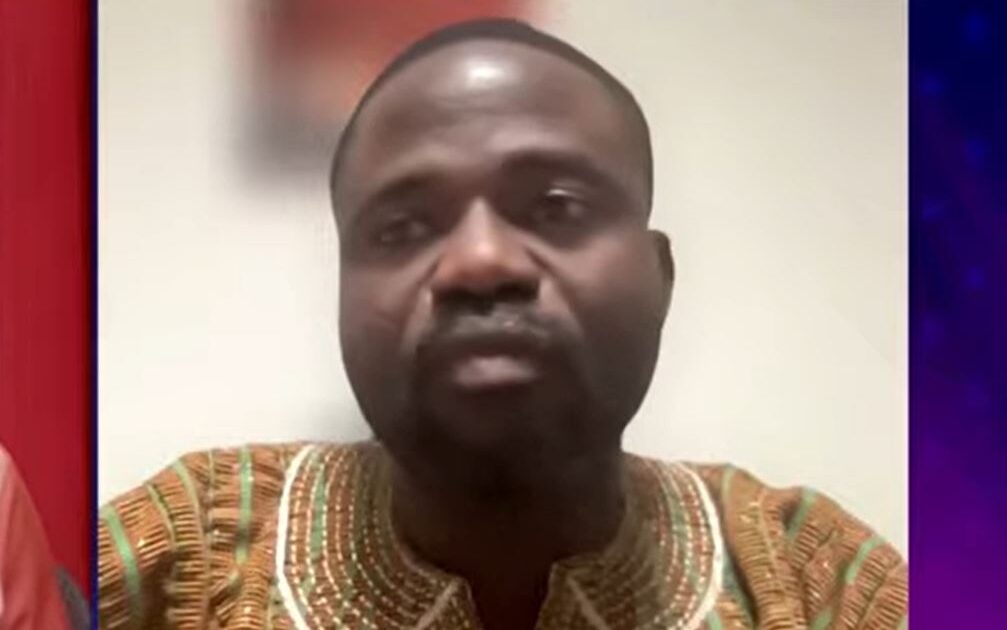
Manasseh Azure: Ghana COVID Fumigation Audit Demanded Over GH¢780M Spending
Summary
- Investigative journalist Manasseh Azure Awuni advocates for a forensic audit into Ghana's GH¢780 million COVID-19 fumigation expenditure.
- His investigation revealed that at least GH¢720 million was spent by three ministries, significantly higher than the Auditor-General's reported GH¢96 million.
- Azure questioned the necessity of the spending, citing scientific advice and existing contracts for similar services.
- The call for an audit is supported by Members of Parliament and aims to uncover the full scope of spending and identify any mismanagement.
- Concerns are heightened by past issues with fumigation contracts where payments were made for unrendered services, suggesting a pattern of procurement irregularities.
Calls for Enhanced Scrutiny
The stark contrast between reported and actual expenditure, coupled with questions about the necessity of the services and the existence of prior contracts, raises serious concerns about the transparency and oversight of public funds during a national emergency.
Investigative journalist Manasseh Azure Awuni, who also coordinates the Pledge Against Corruption, has publicly endorsed calls for a comprehensive forensic audit into Ghana's COVID-19 expenditure. His primary focus is on the estimated GH¢780 million reportedly spent on fumigation efforts during the pandemic. Mr. Awuni asserts that such an audit is crucial to fully ascertain the extent of these expenditures and to identify any potential mismanagement of the allocated COVID-19 funds.
This demand for a thorough investigation has garnered support from parliamentary figures, including Member of Parliament Kofi Amankwa-Manu and James Klutse Avedzi, who is a former Member of Parliament and former chairman of Parliament's Public Accounts Committee (PAC), and currently serves as the Director-General of the Securities and Exchange Commission (SEC). Their collective backing underscores the growing concern regarding the transparency and accountability surrounding the significant financial outlay during the health crisis. The proposed audit aims to provide clarity on how these substantial public funds were utilized and whether they achieved their intended purpose effectively.
Unveiling Financial Discrepancies
Mr. Awuni's advocacy stems from an investigation that uncovered a substantial disparity between official records and actual spending on COVID-19 fumigation. While the Auditor-General's special audit reported GH¢96 million allocated for fumigation, Mr. Awuni's findings indicate that at least GH¢720 million was spent by just three ministries: the Ministry of Local Government and Rural Development, the Ministry of Transport, and the Ministry of Education. This significant gap suggests either a failure to capture the full expenditure in the audit or a deliberate withholding of relevant financial information.
The investigative journalist further questioned the rationale behind such extensive spending, particularly given scientific advice suggesting the fumigation was unnecessary. He also highlighted the existence of prior contracts and established capacity within Ghana to provide similar services, raising concerns about why new, substantial expenditures were deemed essential. Mr. Awuni posited that the total cost could exceed the estimated GH¢780 million if expenditures from other government ministries were also factored into the audit.
Precedent of Procurement Issues
Concerns about the current Ghana COVID fumigation audit are amplified by a history of issues within the nation's public procurement landscape. Mr. Awuni referenced past Audit Service reports concerning fumigation contracts under the District Assemblies Common Fund, where payments were reportedly made for services that were never delivered. This historical context suggests a pattern of potential irregularities in public service contracts.
He specifically recalled a position taken by James Klutse Avedzi in 2022 or 2023, based on an Auditor-General’s report, which recommended that assemblies cancel certain fumigation contracts due to a lack of value for money. Mr. Awuni argued that the same rigorous scrutiny applied in those instances should have been consistently applied to the COVID-19 related expenditures. The failure to adequately address these questions, especially regarding the necessity of new contracts when existing ones were in place, points to a potential systemic oversight in the management of public funds.
Implications for Public Trust and Accountability
The call for a forensic audit into Ghana's COVID-19 fumigation spending, particularly the GH¢780 million figure, carries significant implications for public trust and governmental accountability. The stark contrast between reported and actual expenditure, coupled with questions about the necessity of the services and the existence of prior contracts, raises serious concerns about the transparency and oversight of public funds during a national emergency.
A thorough forensic audit is essential not only to reconcile the financial discrepancies but also to clarify why such substantial amounts were spent despite scientific advice and existing service provisions. The outcome of such an investigation could either restore confidence in Ghana's public financial management or expose systemic weaknesses in its procurement and oversight mechanisms, thereby influencing future anti-corruption efforts and Ghana public procurement COVID contracts reforms.
Practical Implications
Lawyers and compliance officers in Ghana should anticipate heightened scrutiny on public procurement processes, especially for emergency contracts, and advise clients on robust compliance frameworks to mitigate risks associated with potential corruption investigations or challenges to contract validity arising from alleged financial mismanagement. This situation underscores the ongoing risk of legal and reputational exposure for entities involved in government contracts where transparency and value for money are questioned.
Source
How does this affect you?
Get an AI analysis of this article grounded in your jurisdictions, practice areas, and any policy documents you've uploaded to Wansom.
Finish Reading the Full Story and the Expert Analysis.
Get the latest legal & regulatory intelligence in Ghana
Wansom is AI and can make mistakes.