
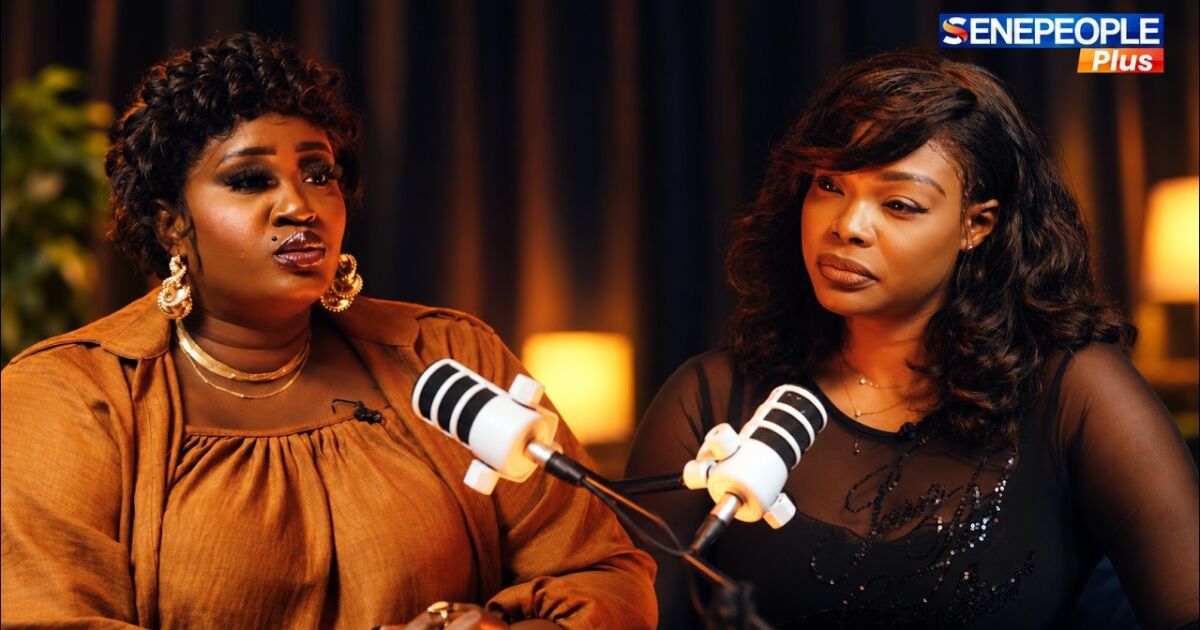
Mame Coumba Dia: Demands Retraction, Threatens Plainte Against Mame Walo
Summary
- Journalist Mame Coumba Dia has issued a 48-hour ultimatum to Mame Walo to retract statements and publicly rectify her remarks.
- The demand follows Mame Walo's emotional testimony on the show "Confidence," where she recounted a past sexual assault.
- Mame Walo accused the host, Mame Coumba Dia, of causing her distress by broadcasting "embarrassing" sequences despite requests for their removal.
- Mame Coumba Dia denies responsibility, stating she agreed to remove two passages and rejecting claims of broadcasting without considering the request.
- Failure to comply with the 48-hour notice will result in Mame Coumba Dia initiating legal action to protect her professional integrity and reputation.
The Demand for Retraction
This unfolding dispute, centered around Mame Coumba Dia plainte Mame Walo, highlights critical legal considerations regarding public statements and media content in Senegal, particularly concerning professional integrity and reputation.
Journalist and television presenter Mame Coumba Dia has formally demanded that Mame Walo retract certain statements that she claims compromise her professional integrity. Dia has given Mame Walo a 48-hour deadline to not only withdraw these remarks but also to issue a public rectification. Should Mame Walo fail to comply with this ultimatum, Dia has indicated her intention to initiate legal proceedings to safeguard her reputation. This significant development underscores the serious implications of public commentary in media contexts, particularly concerning professional standing.
This threat of a lawsuit, or "Mame Coumba Dia menace plainte," stems from Mame Walo's "painful testimony" delivered during an episode of the program "Confidence." Mame Walo, known as a clothing vendor and TikTok content creator, shared a deeply personal account on the show, revealing that she was raped at the age of 14 by an individual who frequently visited her family's home. She further disclosed that her mother was purportedly unaware of these alleged events, presenting this as a story she had never previously dared to share publicly.
Conflicting Accounts of Broadcast
Following the broadcast, Mame Walo expressed profound distress, stating she was "very affected" by the airing of segments she deemed "embarrassing." She claims to have specifically requested the removal of these particular sequences prior to the program's broadcast. In an emotional outburst, Mame Walo directly accused the host, Mame Coumba Dia, with the poignant declaration: "Mame Coumba m’a tuée. Cette émission peut tuer une personne." This strong reaction, highlighting the perceived "Mame Walo atteinte intégrité," emerged after Mame Walo reportedly regretted sharing such an intimate narrative on air.
However, Mame Coumba Dia has publicly contested any responsibility for the full broadcast of the program. In a statement released on her personal TikTok account, the presenter affirmed that she had indeed acceded to her guest's request to edit out two specific passages. Dia explicitly rejected the accusation that she proceeded with the broadcast on Senepeople+ without taking into account Mame Walo's editing requests, thereby defending her own conduct and the integrity of the production process.
Legal and Reputational Implications
This unfolding dispute, centered around Mame Coumba Dia plainte Mame Walo, highlights critical legal considerations regarding public statements and media content in Senegal, particularly concerning professional integrity and reputation. The 48-hour notice period issued by Mame Coumba Dia serves as a formal demand, setting a clear timeline for Mame Walo to address the allegations or face potential legal action for "diffamation journaliste Sénégal." Such cases often require careful consideration of evidentiary requirements, both for those alleging defamation and those defending against such claims, especially when content is broadcast through media platforms.
Lawyers advising clients in similar situations would emphasize the importance of understanding the potential for defamation claims and the procedural steps involved, such as issuing formal demands. The core of the matter revolves around the "réputation Mame Coumba Dia" and the impact of Mame Walo's public accusations. The outcome of this case could set a precedent for how media personalities and content creators navigate the complexities of intimate disclosures, editing requests, and the protection of professional standing in the digital age.
Practical Implications
This case highlights the legal implications of public statements and media content concerning professional integrity and reputation in Senegal. Lawyers should advise clients on the potential for defamation claims, the process of issuing formal demands (such as the 48-hour notice), and the evidentiary requirements for proving or defending against such allegations, especially in the context of media broadcasts.
Source
Source: Original reporting via Kawtef
How does this affect you?
Get an AI analysis of this article grounded in your jurisdictions, practice areas, and any policy documents you've uploaded to Wansom.
Finish Reading the Full Story and the Expert Analysis.
Wansom is AI and can make mistakes.