
Sunrise Ltd Mambilla Bribery: Nigerian Culture No Defense, Expert Says
Summary
- Sunrise Ltd, led by Leno Adesanya, is alleged to have made bribe payments to government officials.
- The company reportedly framed these alleged bribe payments as consistent with "Nigerian Culture" during a concluded arbitration proceeding.
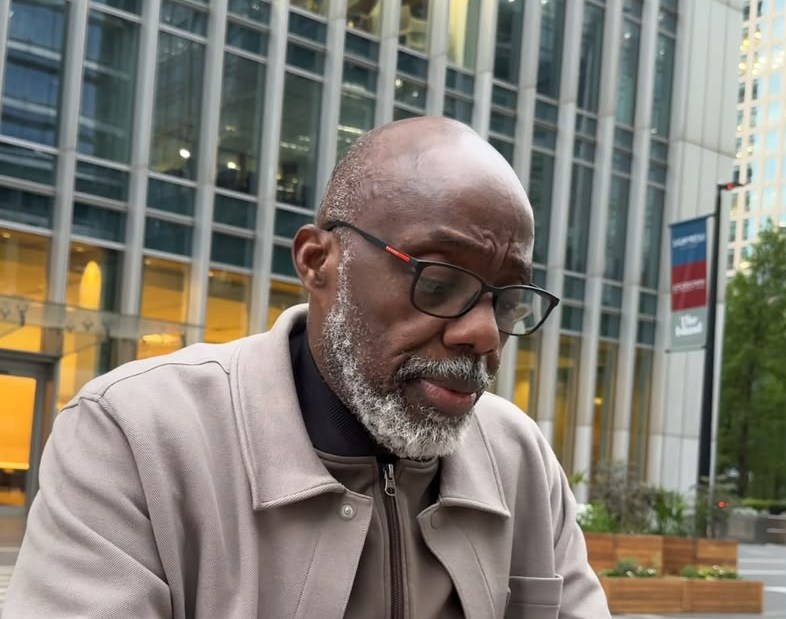
- Professor Ebenezer Obadare, who served as Nigeria’s expert witness in the arbitration, argued that Nigerian culture cannot justify bribery or corruption.
- The case is understood to be related to allegations of Mambilla power project corruption.
Allegations of Bribery and a Novel Defense
Professor Obadare, an academic with deep knowledge of Nigerian societal norms, unequivocally argued that Nigerian culture cannot legitimately be invoked to justify alleged acts of bribery or corruption.
A recently concluded international arbitration proceeding has brought to light allegations of bribery involving Sunrise Ltd, a company led by Leno Adesanya. The core of the dispute centers on alleged payments made to government officials, which Sunrise Ltd reportedly characterized as falling within the bounds of "Nigerian Culture." This framing of alleged bribe payments as culturally acceptable forms a central part of the company's defense in the arbitration.
The specific context for these allegations appears to be linked to the Mambilla power project, a significant infrastructure undertaking. The claims suggest that funds intended for or related to this project were disbursed to officials, with the company subsequently attempting to justify these transactions through a cultural lens. This approach by Sunrise Ltd and Leno Adesanya has drawn scrutiny, particularly from the Nigerian side involved in the arbitration, setting the stage for a critical examination of such defenses in international legal forums.
Expert Testimony Rejects Cultural Justification
In a pivotal development within the arbitration, Professor Ebenezer Obadare, who served as Nigeria’s expert witness, presented a strong rebuttal to the cultural defense put forth by Sunrise Ltd. Professor Obadare, an academic with deep knowledge of Nigerian societal norms, unequivocally argued that Nigerian culture cannot legitimately be invoked to justify alleged acts of bribery or corruption. His testimony directly challenges the notion that any cultural practice could condone or legitimize illicit financial transactions aimed at influencing government officials.
As an expert witness, Professor Obadare's insights were crucial for the arbitral tribunal, providing authoritative context on the interplay between cultural practices and legal standards in Nigeria. His assertion underscores a clear distinction: while cultural nuances exist, they do not supersede or negate the fundamental principles of anti-corruption laws. This stance is particularly significant in the broader landscape of Nigeria anti-corruption arbitration, where the integrity of business dealings and governmental processes is paramount.
Broader Implications for Anti-Corruption Efforts
The argument advanced by Professor Obadare carries substantial weight beyond the immediate arbitration involving Sunrise Ltd and the Mambilla power project corruption allegations. It signals a firm and principled stand against attempts to use cultural relativism as a shield for corrupt practices in international legal settings. The rejection of a 'cultural justification for bribery' by Nigeria's expert witness reinforces the universal applicability of anti-corruption statutes and ethical business conduct, irrespective of local customs.
This development highlights a critical aspect of international commerce and legal compliance: companies operating in diverse cultural environments must adhere to global anti-corruption standards. The position articulated by Professor Obadare sends a clear message that claims of cultural acceptance for bribery will likely face robust challenges, particularly from national governments seeking to uphold legal integrity and combat corruption. It underscores the growing global consensus that bribery, regardless of how it is framed, remains an illegal and unethical practice.
Practical Implications
This development signals a critical stance against using cultural norms as a defense for bribery in international arbitration involving Nigerian entities. Lawyers and compliance officers should note that such justifications are unlikely to be accepted, reinforcing the need for strict adherence to anti-corruption laws and robust compliance frameworks when operating in or with Nigeria.
Source
How does this affect you?
Get an AI analysis of this article grounded in your jurisdictions, practice areas, and any policy documents you've uploaded to Wansom.
Finish Reading the Full Story and the Expert Analysis.
Get the latest legal & regulatory intelligence in Nigeria
Wansom is AI and can make mistakes.