
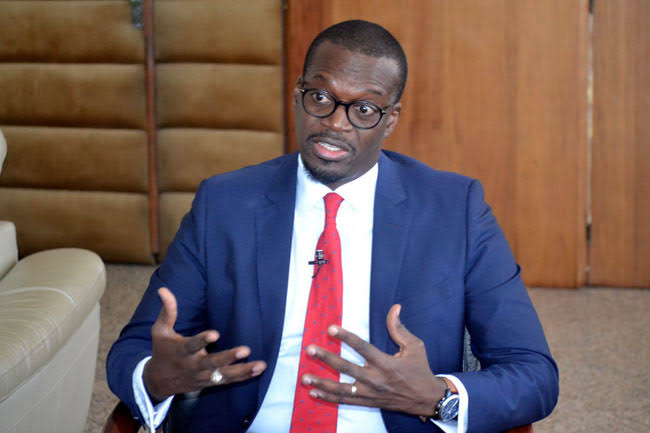
Mamadou Kassé Proposition Mode Scrutin Sénégal: New Deputy Election Plan
Summary
- Mamadou Kassé proposes electing deputies in specific constituencies and implementing a two-round voting system in Senegal.
- He argues this reform would strengthen the legitimacy of elected officials and their connection to citizens.
- A second round would be held if no candidate secures an absolute majority in the first.
- Kassé cites France's constituency-based elections and Senegal's Acte 3 de la décentralisation as relevant examples.
- Other reform proposals in Senegal include departmental proportional representation to avoid institutional impasses.
Proposed Electoral Reforms in Senegal
These discussions regarding changes to the mode de scrutin for deputies are not merely academic; they signify potential future legislative developments that could profoundly influence the political landscape, legislative processes, and the overall stability of the legal framework governing elections in Senegal.
Mamadou Kassé has put forward a significant proposition concerning the mode de scrutin for electing deputies in Senegal, advocating for a system where each parliamentarian is chosen within a defined constituency. This approach, he argues, would enable voters to identify more directly with their representatives. Central to the Mamadou Kassé proposition mode scrutin Sénégal is also the introduction of a two-round voting system, or scrutin à deux tours. Under this proposed mechanism, a second round of voting would be triggered if no single candidate secures an absolute majority of votes during the initial round.
This proposed shift aims to fundamentally alter how legislative representatives are selected, moving away from current methods towards a more localized and potentially more decisive electoral process. Kassé, currently the President of the Conseil départemental de Tambacounda, believes that such changes are crucial for enhancing the democratic framework. His ideas, as reported by Xibaaru following his appearance on "Le Jury du Dimanche," highlight a desire to strengthen the connection between elected officials and the citizenry they serve, thereby bolstering the perceived legitimacy of those in power.
Rationale and Broader Context of Reform
The rationale behind Kassé's proposal for an élection députés circonscription Sénégal is rooted in fostering a more direct accountability between the electorate and their chosen representatives. By requiring candidates to solicit votes directly within a specific territorial unit, he contends that the bond between citizens and their deputies would be significantly reinforced, leading to greater légitimité élus Sénégal. He draws a parallel with the electoral system in France, where, according to him, deputies are elected from distinct constituencies rather than through national party lists, illustrating his vision for a territorially-based designation of parliamentarians.
However, the discussion surrounding Sénégal réforme électorale députés extends beyond the choice between one or two voting rounds. Other significant proposals circulating within Senegal suggest replacing the existing electoral method with a departmental proportional representation system. The overarching objective of these various reform discussions is to prevent a recurrence of institutional deadlocks and unchanged power dynamics that might follow a parliamentary dissolution and subsequent new elections, without first addressing the underlying rules governing parliamentary representation.
Implications for Governance and Legal Framework
Mamadou Kassé's reform suggestions also touch upon the broader landscape of governance, drawing connections to the Acte 3 décentralisation Sénégal. He observes that modifications introduced to the process of designating local executives have successfully curtailed certain political negotiations that historically occurred post-elections. Kassé is critical of compromises that, in his view, could undermine the foundational principle of a unified electoral list once the votes have been cast.
He points to the local governance model where the head of the victorious list automatically assumes the role of mayor or president of the departmental council as an example of a system that minimizes such post-election maneuvering. These discussions regarding changes to the mode de scrutin for deputies are not merely academic; they signify potential future legislative developments that could profoundly influence the political landscape, legislative processes, and the overall stability of the legal framework governing elections in Senegal. Lawyers and compliance officers should therefore monitor these ongoing debates, as they indicate a potential shift in the country's electoral and governance structures.
Practical Implications
Lawyers and compliance officers should monitor these discussions regarding electoral reform in Senegal, as proposed changes to the mode of scrutin for deputies could impact the political landscape, legislative processes, and the stability of the legal framework governing elections. While not an immediate legal change, these proposals indicate potential future legislative developments that could influence governance and policy.
Source
How does this affect you?
Get an AI analysis of this article grounded in your jurisdictions, practice areas, and any policy documents you've uploaded to Wansom.
Finish Reading the Full Story and the Expert Analysis.
Get the latest legal & regulatory intelligence in Senegal
Wansom is AI and can make mistakes.