
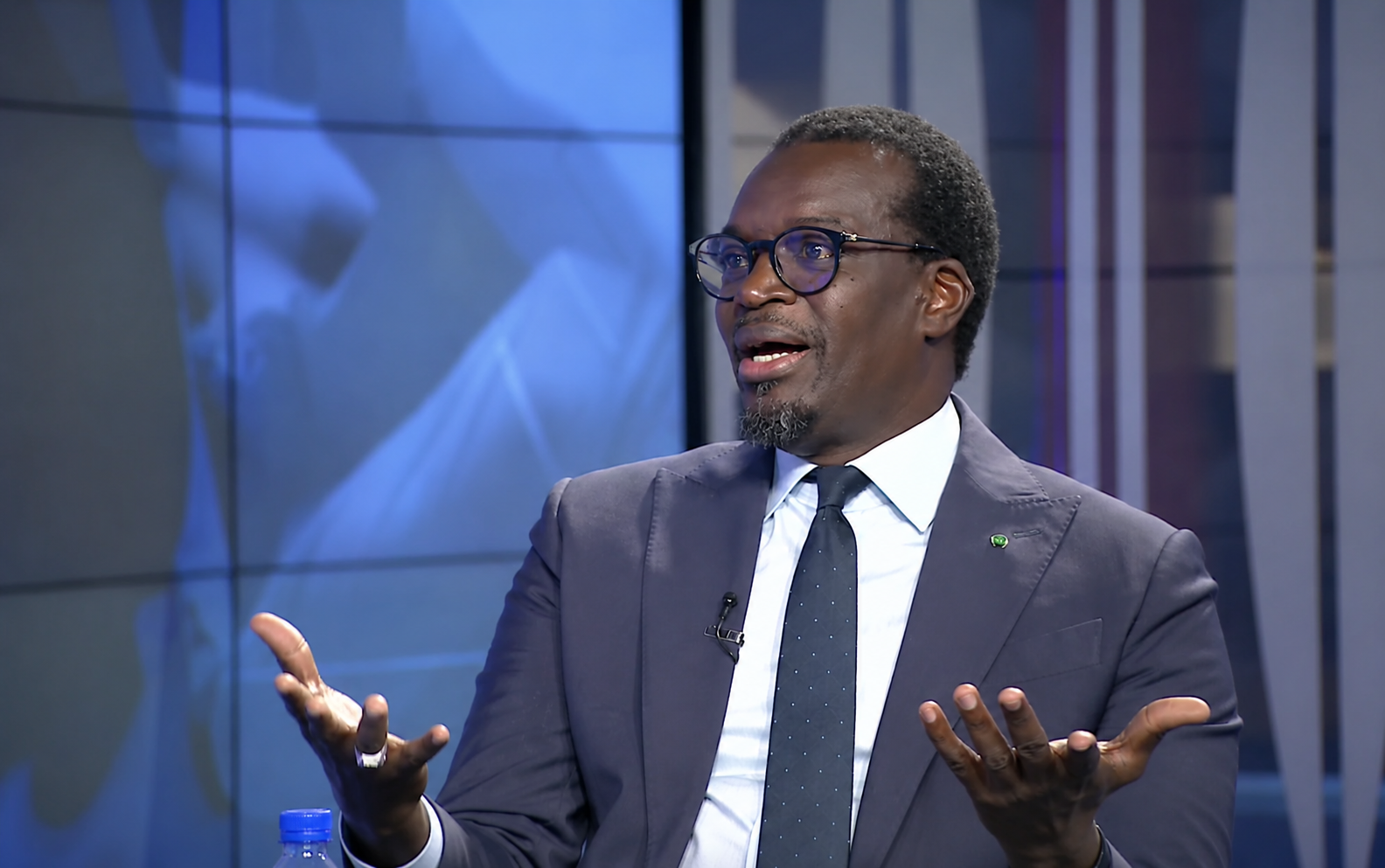
Mamadou Kassé: DPG Financement État Sénégal Amid Rising Borrowing Costs
Summary
- Senegal faces increased international borrowing rates, now estimated between 7% and 9%, raising concerns for national economic stability.
- Mamadou Kassé, a key APR official, expects the upcoming Déclaration de politique générale (DPG) to clarify government economic and institutional choices, including state financing and debt management.
- Kassé emphasizes that political tensions and institutional disagreements can negatively influence market risk assessments, advocating for strict adherence to National Assembly procedures and constitutional mechanisms.
- The DPG's extraordinary session is scheduled to open on September 1, 2026, convened by decree n° 2026-1530, following procedural specifications set on August 28, 2026, with the actual DPG to be scheduled later.
- The DPG's outcomes are critical for understanding Senegal's economic outlook, institutional predictability, and overall investment climate.
Senegal Faces Rising Borrowing Costs Amid Economic Scrutiny
For lawyers advising on investments or commercial operations in Senegal, the insights gleaned from the DPG will be invaluable.
Senegal is currently facing a significant increase in the cost of borrowing on international markets, with projected rates ranging between 7% and 9% depending on the maturity of the loans. This development has raised concerns among key political figures, including Mamadou Kassé, the National Secretary for Economic and Financial Affairs of the Alliance pour la République (APR) and President of the Departmental Council of Tambacounda. Kassé, who also previously served as Director General of SICAP SA and SN HLM, highlights that these elevated rates stand in stark contrast to the more favorable financing conditions Senegal has historically enjoyed.
Kassé emphasizes that this upward trend in borrowing costs necessitates a thorough examination, particularly in light of the nation's ongoing needs for economic financing and public investments. He suggests that the upcoming Déclaration de politique générale (DPG) will be a critical opportunity for the government to address these financial challenges and provide clarity on its strategic direction. The DPG is anticipated to offer insights into how the state plans to manage its financing under these new market conditions, which are significantly less advantageous than in previous periods.
Anticipating Clarity from the Déclaration de politique générale
The forthcoming Déclaration de politique générale (DPG) is expected to serve as a pivotal platform for the executive to outline its economic and institutional priorities. Mamadou Kassé specifically looks to this event for a clearer understanding of the public policies the government intends to pursue and the practical conditions under which these policies will be implemented. He anticipates that discussions with deputies during the DPG will shed light on crucial issues such as the state's financing conditions, the trajectory of Senegal's public debt, and the ongoing dialogue with the International Monetary Fund (FMI).
For Kassé, the DPG must provide enhanced visibility into Senegal's economic, social, and financial prospects. He also expects the event to offer tangible details regarding the 'change of method' that the new Prime Minister has announced, indicating a desire for concrete operational plans rather than broad statements. This comprehensive overview is deemed essential for both domestic stakeholders and international observers to assess the country's financial stability and future economic direction.
Institutional Harmony and Market Confidence
Beyond purely economic indicators, Mamadou Kassé underscores the critical role of political stability and institutional relations in shaping investor confidence and market perceptions. He argues that political tensions and disagreements between governmental institutions can be significant factors considered by markets and investors when evaluating Senegal's risk profile. To mitigate such risks, Kassé advocates strongly for adherence to established procedures within the National Assembly.
He points to recent discussions within the legislative body concerning internal regulations, formal rules, and the interpretation of legal provisions as examples of areas where procedural respect is paramount. Kassé champions a relationship between institutions founded on dialogue and mutual complementarity, stressing that any disagreements between the Executive and Parliament should be resolved through strict adherence to their respective prerogatives and constitutional mechanisms. Such an approach, he believes, is vital for fostering a predictable and stable environment conducive to investment.
DPG Scheduling and Broader Implications
The specific procedural details for the Déclaration de politique générale have already been established. The Bureau of the National Assembly specified the process on August 28, 2026, with the extraordinary parliamentary session convened by decree n° 2026-1530 scheduled to open on September 1, 2026, though the actual Déclaration de politique générale will be scheduled for a later date by the Bureau of the National Assembly. This important session is set to take place during an extraordinary parliamentary gathering, which was formally convened by decree n° 2026-1530. This structured approach to the DPG underscores its significance as a formal mechanism for governmental accountability and strategic communication.
For lawyers advising on investments or commercial operations in Senegal, the insights gleaned from the DPG will be invaluable. The clarity provided on the government's economic and debt management strategies, coupled with its approach to institutional relations, will directly impact the country's financial stability and overall investment climate. Understanding these factors is crucial for assessing regulatory predictability and navigating long-term business risks in Senegal.
Practical Implications
Lawyers advising on investments or commercial operations in Senegal should closely monitor the upcoming Déclaration de politique générale (DPG) for clarity on the government's economic and debt management strategies, as these factors directly impact the country's financial stability and investment climate. The DPG's insights into institutional relations and public finance will be crucial for assessing regulatory predictability and long-term business risk.
Source
How does this affect you?
Get an AI analysis of this article grounded in your jurisdictions, practice areas, and any policy documents you've uploaded to Wansom.
Finish Reading the Full Story and the Expert Analysis.
Wansom is AI and can make mistakes.