
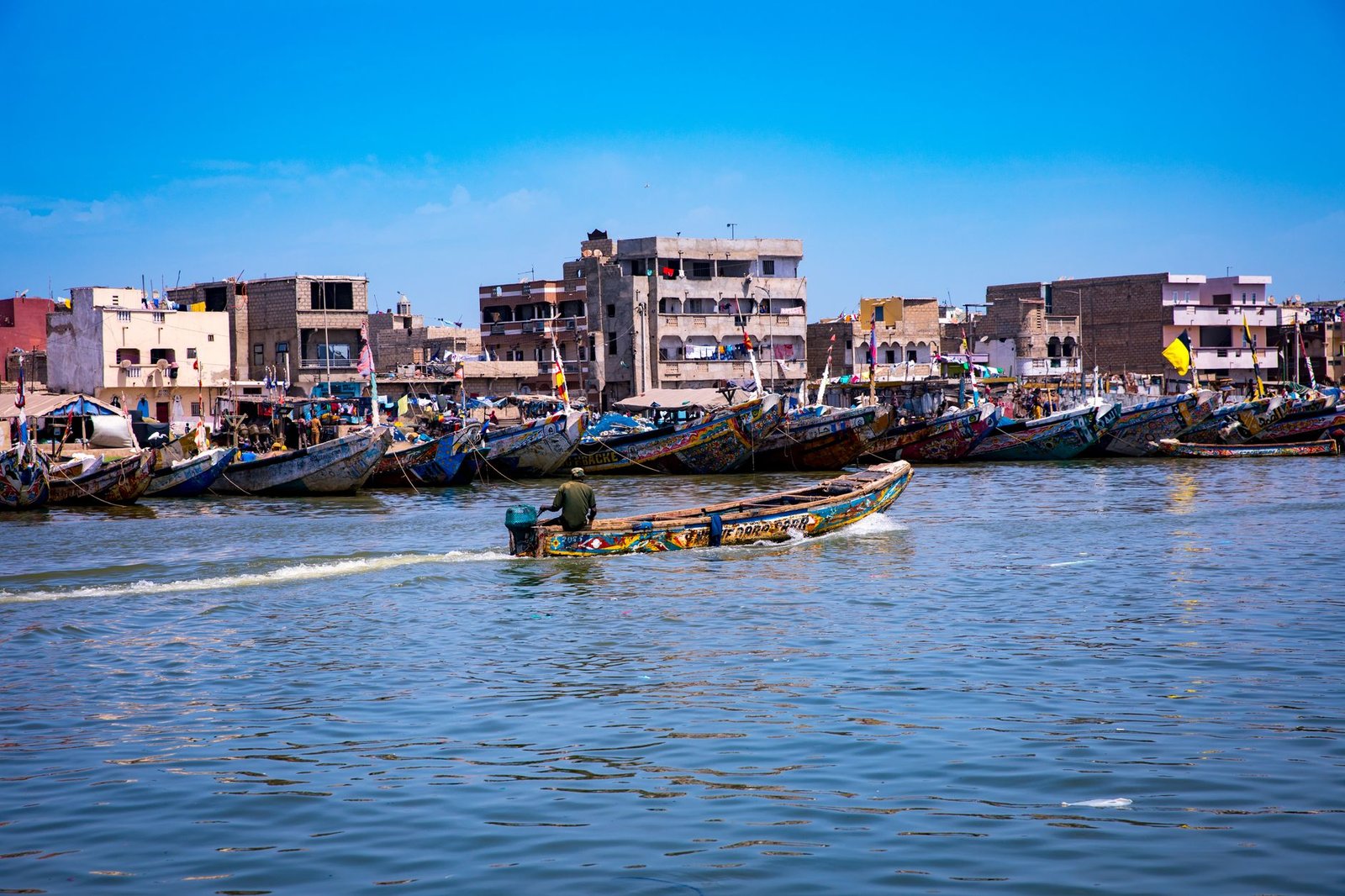
Mamadou Goudiaby Audition Licences Pêche Sénégal: Explique l'Attribution
Summary
- A parliamentary commission is investigating the attribution of fishing licenses and alleged vessel registration fraud in Senegal.
- Mamadou Goudiaby was questioned regarding the conditions under which fishing authorizations were issued to both national and foreign vessels.
- Minister Amy Mara defended recent license grants, stating four were issued in compliance with the Code de la pêche maritime, and announced a code revision.
- Artisanal fishermen are concerned about competition from industrial vessels and rising fish prices, while NGOs have reported foreign-owned trawlers using Senegalese flags.
- The inquiry's final report could lead to recommendations for transmitting findings to the financial prosecutor, indicating potential legal consequences.
Parliamentary Scrutiny of Fishing Licenses
The inquiry's final report, once submitted to the National Assembly, could recommend transmitting findings to the financial prosecutor, signaling potentially severe legal repercussions for those implicated.
A parliamentary inquiry commission in Senegal is actively investigating the conditions surrounding the attribution of fishing licenses, a process that has drawn significant public and political attention. As part of this ongoing probe, Mamadou Goudiaby was summoned to provide explanations regarding the issuance of authorizations for exploiting the nation's fishery resources. The commission's mandate is comprehensive, aiming to meticulously reconstruct the decisions made when granting permits to both Senegalese and foreign vessels. This includes identifying the individuals responsible for signing these authorizations, understanding the specific circumstances under which they were granted, and determining the ultimate beneficiaries among shipowners.
Beyond the direct allocation of licenses, the inquiry extends to broader issues such as the registration and monitoring of vessels operating under the Senegalese flag. It also scrutinizes technical controls, maritime registers, tonnage measurements, and the criteria for 'Senegalisation'—a policy designed to ensure national ownership and control within the fishing sector. Bécaye Diop, who served as the Director General of ANAM from November 2024 to August 2026, testified before the deputies, highlighting alleged instances of fictitious 'Senegalisation' of vessels and irregularities discovered in tonnage registers during an audit of the industrial fleet. This extensive examination by the commission seeks to verify the identity, status, and characteristics of all vessels authorized to fish, reflecting a broader drive for accountability initiated after the political transition in March 2024, with a particular focus on the administrative traceability of license applications.
Ministerial Response and Regulatory Landscape
Amidst the parliamentary investigation, Amy Mara, the Minister of Fisheries and Maritime Economy, addressed the National Assembly to defend the recent attribution of coastal demersal fishing licenses. She clarified that four licenses had been granted, not five as some reports suggested, and asserted that the procedure adhered strictly to the Code de la pêche maritime and its implementing decrees. The Minister further stated that she had personally signed only two licenses since assuming her role in 2026, following thorough administrative checks. Significantly, she also announced an upcoming revision of the Code de la pêche maritime, indicating potential changes to the regulatory framework governing the sector.
Under the existing legal framework, the Ministry responsible for Fisheries is empowered to attribute licenses, but only after receiving an advisory opinion from a dedicated consultative commission. This process, however, has faced criticism from various stakeholders. Artisanal fishermen, in particular, have voiced strong objections to the methods of granting licenses, the selection criteria employed, and the monitoring of quotas, arguing that these practices unfairly favor industrial vessels and create undue competition.
Economic Significance and Community Impact
The fishing sector holds substantial economic importance for Senegal, contributing approximately 3% to the nation's Gross Domestic Product and providing livelihoods for an estimated 600,000 people, both directly and indirectly. Despite this vital role, the industry is grappling with significant challenges, particularly for artisanal fishing communities. Fishermen have reported a noticeable scarcity of fish, exemplified by the situation in Soumbédioune, where the price of a single fish has reportedly surged from 100 CFA francs to 500 CFA francs, making four pieces cost 2,500 CFA francs—a sum increasingly unaffordable for many households.
These local communities are urgently calling for more stringent rules and effective controls to manage the fishing industry. Their concerns are echoed by international organizations; investigations conducted by Greenpeace Africa and the UK-based Environmental Justice Foundation have documented instances of trawlers owned by foreign interests operating under the Senegalese flag, raising questions about the true beneficiaries of fishing activities in national waters. The ongoing parliamentary auditions are directly addressing these issues, focusing on the authorization processes and the oversight of the fishing fleet.
Future Outlook and Legal Ramifications
The parliamentary commission's work is expected to culminate in a final report, which will be formally submitted to the National Assembly. This report carries significant weight, as it may, if deemed necessary, recommend the transmission of specific findings and evidence to the financial prosecutor. The inquiry's final report, once submitted to the National Assembly, could recommend transmitting findings to the financial prosecutor, signaling potentially severe legal repercussions for those implicated. This indicates a serious potential for legal action against individuals or entities found to have engaged in illicit practices related to fishing licenses or vessel registration. The investigation's broad scope, encompassing not only the direct attribution of licenses but also the integrity of vessel registration, technical compliance, and the 'Senegalisation' criteria, underscores the government's commitment to reforming and regulating this critical sector. The current Code de la pêche maritime, which forms the legal backbone for these regulations, was originally adopted in 2015.
Practical Implications
Lawyers advising clients in Senegal's fishing sector should monitor the parliamentary inquiry into fishing license attribution and potential vessel registration fraud. This investigation signals increased regulatory scrutiny and potential enforcement actions, necessitating a review of compliance procedures for license acquisition and vessel 'Senegalisation' to mitigate legal and reputational risks. Anticipate revisions to the Code de la pêche maritime.
Source
How does this affect you?
Get an AI analysis of this article grounded in your jurisdictions, practice areas, and any policy documents you've uploaded to Wansom.
Finish Reading the Full Story and the Expert Analysis.
Wansom is AI and can make mistakes.