
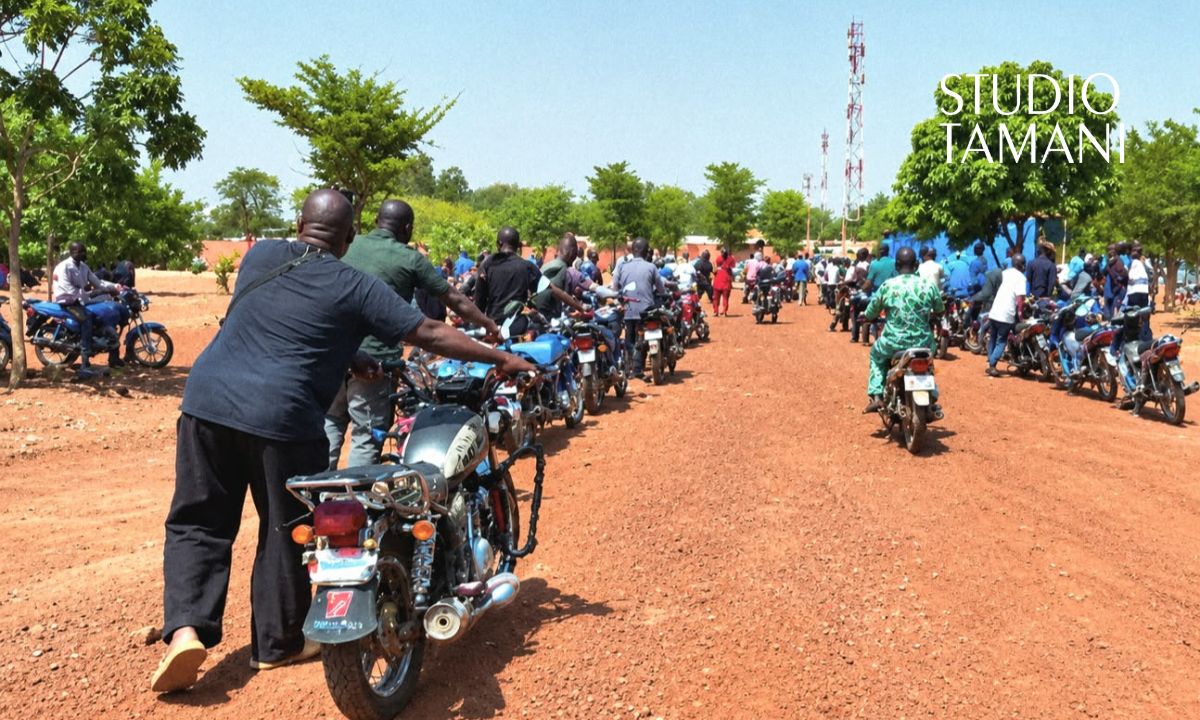
Mali: Rural Motorcycle Registration Blocked By Circulation Ban
Summary
- Mali is conducting a nationwide operation to register two-wheeled vehicles.
- The registration process faces significant difficulties in remote areas due to an existing circulation ban.
- Motorcycles of 125 cm³ and above are prohibited from traveling outside major urban centers.
- This ban prevents affected owners in rural areas, such as Ansongo, from reaching registration facilities.
- The conflict between regulations creates a major logistical challenge for rural residents seeking to comply with the new registration requirements.
Ongoing Registration Faces Rural Obstacles
For those individuals whose motorcycles fall under this restriction, the journey to designated registration centers becomes a complex and often impossible task.
An extensive initiative to register two-wheeled vehicles is currently underway across numerous regions of Mali. This nationwide effort aims to ensure compliance and proper documentation for motorcycles and similar conveyances. While the operation progresses in many areas, it has encountered significant practical challenges, particularly within the country's more remote and less accessible localities.
The primary hurdle stems from an existing regulatory measure that restricts the movement of certain motorcycles. Specifically, vehicles with an engine capacity of 125 cubic centimeters or greater are prohibited from circulating beyond the confines of major urban centers. This regulation, intended for broader traffic management or security purposes, inadvertently creates a substantial impediment for owners residing in rural areas who need to participate in the registration drive.
For those individuals whose motorcycles fall under this restriction, the journey to designated registration centers becomes a complex and often impossible task. The very act of transporting their vehicle to a facility where it can be legally documented would necessitate violating the circulation ban. This Catch-22 situation presents a considerable logistical dilemma, effectively isolating many rural owners from the registration process.
The town of Ansongo serves as a concrete example where these difficulties are acutely felt. Residents in such remote locales face the unenviable choice between adhering to the circulation ban and attempting to comply with the new registration requirements, highlighting a systemic disconnect between regulatory frameworks and their practical application in diverse geographical settings.
Regulatory Conflict Hinders Compliance
The core of the problem lies in the direct conflict between two distinct regulatory objectives. On one hand, the Malian authorities are pushing for comprehensive motorcycle registration, a measure likely aimed at improving road safety, tracking ownership, and potentially enhancing security. On the other hand, a separate, pre-existing law prohibits the circulation of larger motorcycles (125cc and above) outside of major population hubs.
This specific restriction, while perhaps serving a different policy goal, now directly undermines the success of the registration campaign in rural areas. Owners of the affected motorcycles, who are often reliant on these vehicles for transport in remote regions, are effectively barred from legally bringing their bikes to the required registration points. The administrative centers equipped to handle the immatriculation process are typically situated within the very urban centers from which these motorcycles are restricted.
Consequently, the very individuals most impacted by the registration requirement – those in remote areas who depend heavily on their motorcycles – are also the ones facing the greatest legal and logistical barriers to compliance. This regulatory overlap creates a significant 'catch-22' scenario, where fulfilling one legal obligation necessitates violating another, making the process a genuine 'headache' for the affected population.
Impact on National Registration Efforts
The challenges observed in places like Ansongo are indicative of a broader issue that could significantly impede the overall success of Mali's national motorcycle registration operation. If a substantial portion of the rural population is unable to access registration services due to existing circulation bans, the initiative risks falling short of its objectives, leaving a large number of two-wheeled vehicles undocumented.
This disparity in access between urban and rural areas not only creates an unfair burden on remote communities but also undermines the principle of universal compliance. A national registration drive is most effective when it is accessible to all citizens, regardless of their geographical location. The current situation suggests that the regulatory framework has not adequately considered the practical realities of rural life and transportation.
Addressing this specific conflict between the circulation ban and the registration requirement is crucial for the equitable and effective implementation of the motorcycle immatriculation program. Without a clear pathway for rural owners of 125cc and larger motorcycles to legally reach registration centers, the national effort to document all two-wheeled vehicles in Mali will continue to face significant and avoidable hurdles.
Source
How does this affect you?
Get an AI analysis of this article grounded in your jurisdictions, practice areas, and any policy documents you've uploaded to Wansom.
Finish Reading the Full Story and the Expert Analysis.
Wansom is AI and can make mistakes.