
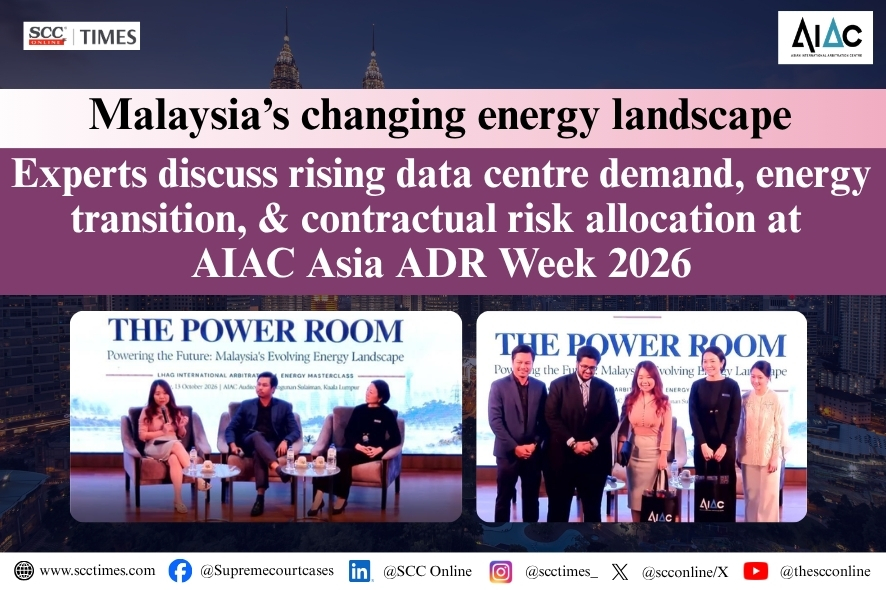
AIAC Asia ADR Week: Malaysia Energy Contractual Risk Allocation
Summary
- Experts at AIAC Asia ADR Week 2026 discussed Malaysia's evolving energy landscape.
- Key topics included rising electricity demand in Peninsular Malaysia and challenges to grid capacity and readiness.
- The panel examined the future energy generation mix and implications of gas procurement reforms.
- Discussions also focused on contractual risk allocation amidst the energy transition and increasing data centre demand.
- These insights are vital for stakeholders navigating Malaysia's transforming energy sector.
What Happened
For lawyers and compliance officers, monitoring these developments, particularly concerning Malaysia energy contractual risk allocation, is paramount.
During the AIAC Asia ADR Week 2026, a significant panel discussion titled "The Changing Energy Landscape" brought together experts to delve into critical developments within Malaysia's energy sector. The session provided a platform for in-depth analysis of the evolving electricity demand across Peninsular Malaysia, alongside the complex issues surrounding the maintenance of sufficient generation capacity and the preparedness of the national grid infrastructure.
Discussions extended to forecasting the future composition of Malaysia's energy generation mix, reflecting the nation's ongoing energy transition goals. A key focus was also placed on the far-reaching implications stemming from recent reforms in gas procurement policies, which are set to reshape the operational and financial landscape for energy stakeholders. The panel's insights underscored the dynamic nature of the sector and the multifaceted challenges it faces.
Navigating Malaysia's Energy Challenges
The expert panellists at the AIAC Asia ADR Week 2026 highlighted several pressing challenges confronting Malaysia's energy infrastructure. They meticulously examined the trajectory of electricity demand growth in Peninsular Malaysia, noting its continuous evolution and the subsequent pressure it places on existing resources. A primary concern articulated was the difficulty in ensuring adequate generation capacity to meet this escalating demand, a critical factor for energy security and economic stability.
Furthermore, the discussions underscored the imperative for enhanced Peninsular Malaysia grid capacity and overall grid readiness. Modernizing and expanding the transmission and distribution network is essential to accommodate new generation sources and manage fluctuating demand efficiently. The dialogue also covered the anticipated shifts in the future generation mix, indicating a strategic move towards more sustainable and diverse energy sources, which inherently introduces new technical and regulatory complexities. The impact of Malaysia gas procurement reform was also a central theme, with experts dissecting how changes in gas sourcing and pricing mechanisms would ripple through the power sector, affecting costs and investment decisions.
Contractual Risk Allocation in a Transforming Sector
A pivotal aspect of the "The Changing Energy Landscape" panel at AIAC Asia ADR Week 2026 involved a detailed examination of contractual risk allocation within Malaysia's energy sector. As the nation navigates its energy transition, the traditional frameworks for managing risks in long-term energy contracts are being re-evaluated. The discussions specifically addressed how the increasing demand from rising data centre development is impacting energy contracts, necessitating new approaches to ensure supply reliability and price stability for these high-consumption facilities.
The experts emphasized that the evolving generation mix, coupled with the implications of gas procurement reforms, directly influences the risk profiles of energy projects. This necessitates a sophisticated understanding of how these changes translate into contractual obligations, force majeure clauses, and pricing mechanisms. For instance, Data centre energy contracts Malaysia are becoming increasingly complex, requiring robust frameworks to manage supply interruptions, price volatility, and regulatory shifts, all of which are critical for business continuity and investment certainty in this rapidly expanding sector.
Why It Matters
The insights shared by experts at the AIAC Asia ADR Week 2026 are crucial for understanding the trajectory of Malaysia's energy sector. The discussions illuminate the significant shifts underway, driven by evolving demand patterns, the imperative for grid modernization, and the strategic pivot towards a diversified energy future. These changes collectively present both challenges and opportunities for investors, developers, and legal professionals operating within or looking to enter the Malaysian energy market.
For lawyers and compliance officers, monitoring these developments, particularly concerning Malaysia energy contractual risk allocation, is paramount. The ongoing energy transition, coupled with the burgeoning demand from data centres and the impact of gas procurement reforms, creates a dynamic environment where contractual terms must be meticulously crafted and reviewed. Proactive engagement with these issues is essential for managing client exposure, ensuring regulatory compliance, and identifying new avenues for growth and investment in a rapidly transforming energy landscape.
Practical Implications
Lawyers and compliance officers advising on energy projects or investments in Malaysia should monitor discussions around contractual risk allocation, particularly concerning the energy transition, rising data centre demand, and gas procurement reforms, to proactively manage client exposure and identify new opportunities.
Source
How does this affect you?
Get an AI analysis of this article grounded in your jurisdictions, practice areas, and any policy documents you've uploaded to Wansom.
Finish Reading the Full Story and the Expert Analysis.
Get the latest legal & regulatory intelligence in India
Wansom is AI and can make mistakes.