
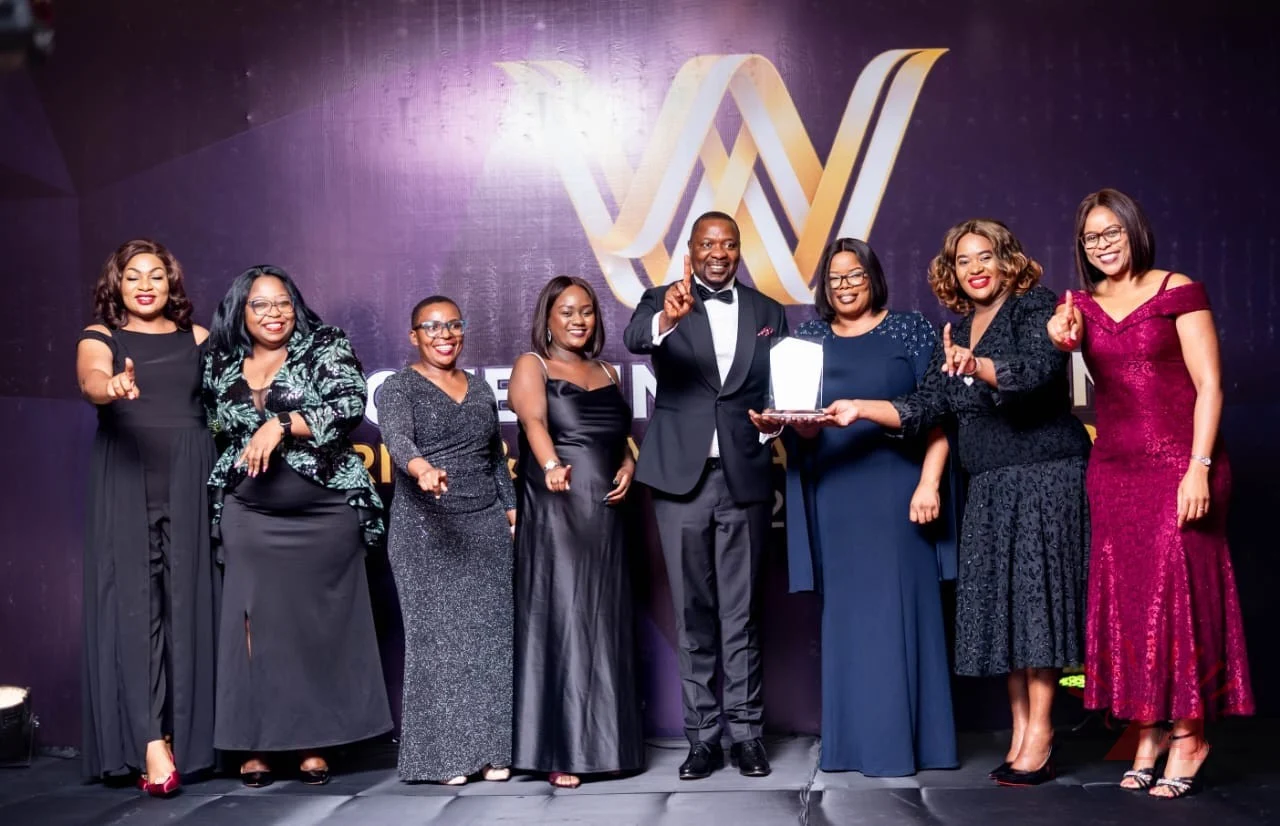
Malawi Women: Jolobala Demands Increased Leadership Roles, Cites Governance
Summary
- Women in Malawi have challenged institutions to appoint more women to top management positions.
- Second Deputy Speaker of Parliament Esther Jolobala made this call during an event in Blantyre.
- Jolobala warned that the absence of women in leadership reflects weak governance.
- She also stated that this underrepresentation signifies a failure to keep pace with global efforts for gender equality.
- The call was made at the inaugural Women in Governance, Risk gathering.
A Call for Leadership Diversity
For compliance officers and legal counsel in Malawi, this development suggests a need to anticipate potential regulatory shifts or policy recommendations concerning gender diversity in corporate leadership.
Women across Malawi have issued a significant challenge to the nation's institutions, advocating for a substantial increase in the appointment of women to top management positions. This pivotal demand was articulated by Esther Jolobala, the Second Deputy Speaker of Parliament, during a key event held in Blantyre on Friday. The occasion marked the inaugural Women in Governance, Risk gathering, which provided a crucial forum for discussing the critical need for enhanced female representation in leadership roles. The collective voice of women in Malawi, amplified by a high-ranking official, underscores a growing national imperative for change within corporate and public structures.
During her address, Ms. Jolobala did not merely call for greater equity; she presented a stark warning regarding the implications of the current leadership landscape. She explicitly stated that the persistent absence of women in these vital capacities is a direct reflection of weak governance within organizations. This perspective reframes the issue from a purely social concern into a fundamental matter of institutional robustness and efficacy. Furthermore, she highlighted that this underrepresentation signifies a failure on the part of Malawian entities to keep pace with global initiatives and efforts dedicated to advancing gender equality in leadership.
Governance and Global Standards
The Second Deputy Speaker's remarks strongly connect the issue of gender diversity with the broader concept of sound governance. She argued that institutions neglecting to appoint women to senior roles are not only failing their female workforce but are also demonstrating a fundamental flaw in their operational and strategic oversight. This assertion positions the integration of women into top leadership as an essential component of modern, effective governance, rather than an optional add-on. The inaugural Women in Governance, Risk event in Blantyre thus served as a platform to emphasize the urgency for Malawian organizations to align with international best practices in this domain.
Globally, there is an increasing recognition that diverse leadership teams, particularly those with strong female representation, contribute to better decision-making, improved financial performance, and enhanced organizational resilience. Ms. Jolobala's warning suggests that Malawian institutions risk being left behind if they do not actively address this disparity. The call for women in leadership positions is therefore not just about fairness; it is about ensuring that Malawi's corporate and public sectors are equipped with the varied perspectives and talents necessary to navigate complex challenges and foster sustainable growth, thereby strengthening overall Malawi gender equality governance.
Implications for Malawian Institutions
This public challenge from a high-ranking parliamentary official like Esther Jolobala is expected to exert considerable pressure on both public and private sector entities across Malawi. The clear message is that the status quo regarding gender representation in leadership is no longer acceptable. Institutions will likely face increased scrutiny and expectations to demonstrate concrete steps towards fostering greater Malawi corporate board diversity and female executive appointments. This signals a potential shift in how organizational effectiveness and social responsibility are perceived within the country.
For compliance officers and legal counsel in Malawi, this development suggests a need to anticipate potential regulatory shifts or policy recommendations concerning gender diversity in corporate leadership. The public call from a prominent official indicates a growing focus on gender equality as a key measure of good governance, which could lead to new reporting requirements or policy recommendations for board composition and executive appointments. Organizations that proactively address these concerns by developing clear strategies for promoting women in leadership will be better positioned to meet evolving expectations and contribute positively to the national agenda for gender equity.
Practical Implications
Compliance officers and legal counsel in Malawi should anticipate increased pressure and potential regulatory developments concerning gender diversity in corporate leadership. This public call from a high-ranking official signals a growing focus on gender equality as a measure of good governance, which could lead to new reporting requirements or policy recommendations for board composition and executive appointments.
Source
Source: Original reporting via Malawi24.
How does this affect you?
Get an AI analysis of this article grounded in your jurisdictions, practice areas, and any policy documents you've uploaded to Wansom.
Finish Reading the Full Story and the Expert Analysis.
Get the latest legal & regulatory intelligence in Malawi
Wansom is AI and can make mistakes.