
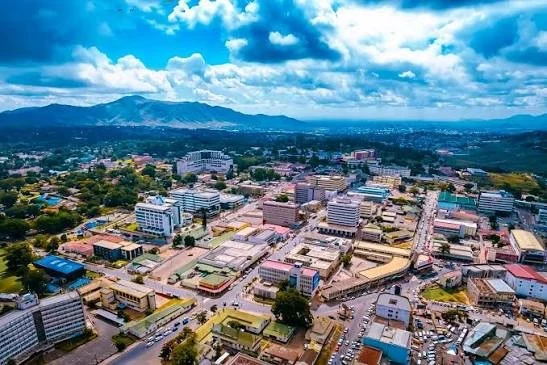
Malawi MVAC Report: Urban Food Insecurity Rises 27%
Summary
- Malawi's overall food-insecure population has decreased by 35 percent.
- The total number of food-insecure people in Malawi now stands at 2.6 million.
- Conversely, the number of food-insecure individuals in urban areas has risen by 27 percent.
- These findings come from the latest Malawi Vulnerability Assessment Committee (MVAC) report.
- The report indicates a significant shift of food insecurity challenges towards Malawi's cities.
Shifting Dynamics of Food Insecurity in Malawi
The report thus signals a new frontier in the fight against food insecurity, shifting focus towards the unique challenges faced by city dwellers.
The latest findings from the Malawi Vulnerability Assessment Committee (MVAC) report reveal a significant, albeit complex, shift in the nation's food security landscape. While the overall number of Malawians experiencing food insecurity has seen a welcome reduction, dropping by 35 percent, the challenge has intensified in the country's urban centers. This critical data points to evolving patterns of vulnerability that demand targeted attention.
Specifically, the MVAC report indicates that the total number of food-insecure individuals across Malawi now stands at 2.6 million. This represents a substantial improvement in the national picture, suggesting that various interventions or favorable conditions have positively impacted a large segment of the population. However, this positive trend is juxtaposed against a concerning development within urban areas.
The same MVAC results highlight a notable increase in urban food insecurity, with the number of affected people in these areas rising by 27 percent. This upward trend in cities contrasts sharply with the broader national decline, underscoring a critical geographical redistribution of hunger within Malawi. The report thus signals a new frontier in the fight against food insecurity, shifting focus towards the unique challenges faced by city dwellers.
Understanding Malawi's Enduring Food Security Challenges
Malawi has historically grappled with persistent food insecurity, a challenge often exacerbated by climatic shocks, economic volatility, and reliance on rain-fed agriculture. For many years, the primary focus of food security interventions has been on rural populations, who are directly dependent on agricultural yields and vulnerable to droughts, floods, and pest outbreaks. Traditional assessments often centered on crop production, market access in remote areas, and the availability of staple foods like maize.
The MVAC, a crucial body for monitoring and assessing food security and vulnerability, plays a pivotal role in providing data that informs national policy and humanitarian responses. Its assessments typically involve comprehensive surveys and analyses to determine the number of people who cannot meet their minimum food requirements. These reports are vital for understanding where and how food insecurity manifests, guiding both government and international aid efforts.
The context of Malawi's food security has long been intertwined with its agricultural sector, which employs a large portion of the population. Fluctuations in harvest, global commodity prices, and access to inputs have traditionally dictated the food security status of millions. Against this backdrop, the recent MVAC findings suggest a departure from these established patterns, indicating that the drivers and locations of vulnerability are becoming more diverse and complex than previously understood.
The Rise of Urban Hunger
The 27 percent increase in urban food insecurity, as detailed in the Malawi urban food insecurity MVAC report, signals a significant shift in the nature of hunger within Malawi. Unlike rural areas where food access is often linked to subsistence farming or local markets, urban populations are typically more reliant on cash incomes to purchase food. This makes them particularly vulnerable to economic downturns, unemployment, and inflation, which can erode purchasing power and make even readily available food unaffordable.
Urban environments also present distinct challenges for food distribution and social safety nets. While rural interventions might focus on agricultural support or food aid distribution points, urban strategies often need to consider complex market dynamics, informal settlements, and diverse livelihood strategies. The sheer density of urban populations can also complicate the delivery of assistance and the identification of the most vulnerable households.
This rise in urban food insecurity suggests that factors beyond agricultural production are increasingly at play. It points to potential issues such as rapid urbanization without corresponding economic growth, limited employment opportunities, and inadequate social protection mechanisms for city residents. Addressing this growing segment of the food-insecure population will require a nuanced understanding of urban poverty and access to essential services.
Implications for Policy and Future Interventions
The MVAC report's findings carry significant implications for how Malawi and its partners approach food security in the coming years. While celebrating the overall reduction in food-insecure numbers, policymakers must now contend with the escalating challenge in urban areas. This necessitates a re-evaluation of existing strategies and the development of new, tailored interventions that specifically address the drivers of urban food insecurity.
Future efforts will likely need to focus on strengthening urban livelihoods, enhancing social safety nets for city dwellers, and ensuring stable food prices in urban markets. Understanding the specific vulnerabilities of urban households – from informal sector workers to those facing high housing costs – will be crucial for designing effective programs. The 2.6 million Malawians who remain food-insecure, particularly the growing number in cities, underscore the ongoing urgency of these efforts.
The report serves as a vital call to action, highlighting that while progress has been made on one front, new and evolving challenges demand immediate attention. The shift of hunger to Malawi’s cities means that traditional rural-focused interventions may no longer be sufficient to address the full scope of the nation's food security needs, requiring a more holistic and geographically diversified approach to ensure that no segment of the population is left behind.
Source
Source: Original reporting via Malawi24.
How does this affect your business?
Get an AI analysis of this article grounded in your jurisdictions, practice areas, and any policy documents you've uploaded to Wansom.
Wansom is AI and can make mistakes.