
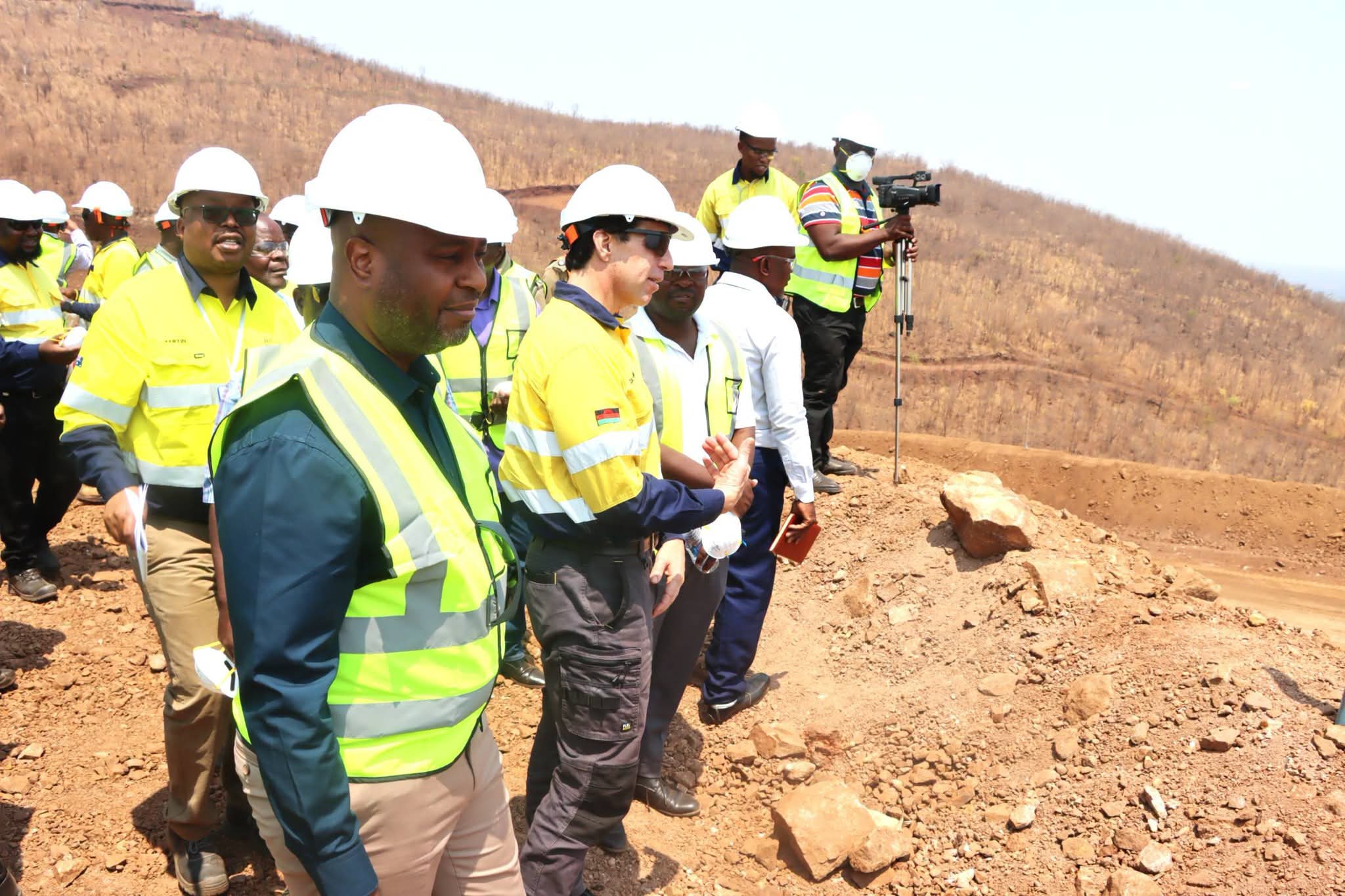
Malawi Mining Minister: Reaffirms Unprocessed Mineral Export Ban
Summary
- Malawi's mining minister has reaffirmed a ban on exporting unprocessed minerals.
- This policy aims to increase local value capture from the nation's extractives sector.
- The announcement occurred during a visit to the Kangankunde Rare Earth Project in Balaka.
- Lindian Resources is actively upgrading its license in response to these tightened export rules.
- The government seeks to prevent raw materials from being processed outside Malawi.
Malawi Reinforces Mineral Export Ban
By mandating local processing, the government aims to stimulate domestic industrialization, create sustainable employment opportunities for Malawian citizens, and ensure a significantly larger share of the profits generated by its mineral wealth remains within the national economy.
Malawi's mining minister has recently issued a definitive reaffirmation of the government's policy prohibiting the export of unprocessed minerals, a strategic move aimed at significantly enhancing the economic benefits derived from the nation's burgeoning extractives sector. This directive signals a clear intent to prevent raw materials from being shipped abroad for processing, thereby ensuring that value addition occurs within Malawian borders. The announcement, delivered during an official visit to the Kangankunde Rare Earth Project in Balaka on a Wednesday, underscores the immediate and widespread implications for all mining operations in the country.
Regulatory Context: Driving Local Value Addition
The Malawian government's reinforced stance on the export of unprocessed minerals is a cornerstone of its broader economic development strategy, specifically designed to capture greater intrinsic value from its natural resources. This policy, articulated by the Malawi mining minister, directly addresses the historical challenge of exporting raw materials, which often results in the loss of potential revenue, job creation, and industrial growth to foreign processing facilities.
By mandating local processing, the government aims to stimulate domestic industrialization, create sustainable employment opportunities for Malawian citizens, and ensure a significantly larger share of the profits generated by its mineral wealth remains within the national economy. This strategic pivot is consistent with the nation's evolving regulatory framework, which increasingly emphasizes value addition as a critical component of its mining law and overall economic sovereignty. The minister's visit to the Kangankunde Rare Earth Project served as a high-profile platform to communicate this unwavering commitment to the industry, reinforcing the Malawi mining minister export policy.
Industry Response: Lindian Resources Adapts to New Rules
In light of the government's unequivocal reinforcement of its export policy, Lindian Resources is actively pursuing an upgrade to its license, a clear and tangible demonstration of its commitment to navigating and complying with Malawi's tightened mineral export rules. This proactive measure by Lindian Resources, particularly in the context of the strategically important Kangankunde Rare Earth Project, highlights the immediate imperative for all companies operating within Malawi's extractives sector to re-evaluate and adapt their business models.
Compliance officers are now tasked with thoroughly reviewing existing export strategies and operational frameworks to ensure full alignment with the Malawi unprocessed mineral export ban, which may necessitate substantial investments in local processing infrastructure and technology. This development underscores a significant shift in the regulatory landscape, where adherence to Malawi rare earth export regulations and broader value addition requirements, such as those impacting Kangankunde Rare Earth Project compliance, will be paramount for securing and maintaining operational licenses and ensuring long-term viability in the Malawian mining industry.
Practical Implications
Compliance officers in Malawi's extractives sector must review export strategies and ensure adherence to the new ban on unprocessed mineral exports, potentially requiring local value addition investments. Legal counsel should advise on licence upgrades and contractual adjustments to mitigate non-compliance risks and navigate the evolving regulatory landscape.
Source
How does this affect you?
Get an AI analysis of this article grounded in your jurisdictions, practice areas, and any policy documents you've uploaded to Wansom.
Finish Reading the Full Story and the Expert Analysis.
Get the latest legal & regulatory intelligence in Malawi
Wansom is AI and can make mistakes.