
Malawi AG Mbeta: Plastics Ban Conflict From Past Legal Work
Summary
- Malawi's Attorney General, Frank Mbeta, previously represented plastic manufacturers who opposed the nation's thin-plastics ban.
- In his current role as Attorney General, Mr. Mbeta is now responsible for defending the very regulations he once sought to overturn, though enforcement is currently stayed by a court order.
- This history, while not proving impropriety, raises questions about institutional safeguards in Malawi.
- The thin-plastics ban has been the subject of a long-running legal battle in the country.
Attorney General's Shifting Stance
As Attorney General, Mr. Mbeta is now legally obligated to defend these same regulations and uphold the government's position against any challenges, although the enforcement of the ban is currently subject to a court-ordered stay.
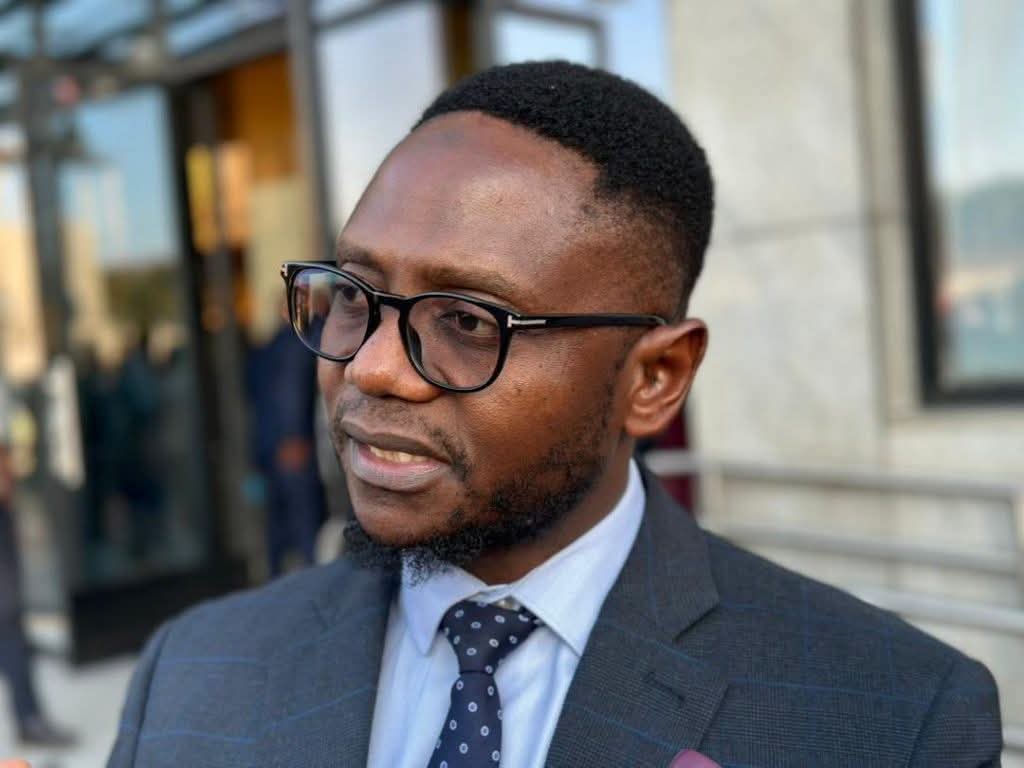
Frank Mbeta, Malawi's current Attorney General, finds himself in a unique position regarding the nation's long-standing prohibition on thin plastics. Before assuming his high office, Mr. Mbeta spent a considerable period representing various plastic manufacturers in court. These manufacturers were actively challenging and opposing the very thin-plastics ban that is now a key part of Malawi's environmental regulatory framework.
In his capacity as a private legal practitioner, Mr. Mbeta engaged in litigation aimed at overturning the regulations that restricted the use of thin plastics. This historical involvement places him in a direct contrast with his present responsibilities. As Attorney General, Mr. Mbeta is now legally obligated to defend these same regulations and uphold the government's position against any challenges, although the enforcement of the ban is currently subject to a court-ordered stay.
Legal and Institutional Context
The thin-plastics ban in Malawi has been the subject of a protracted legal battle, indicating significant resistance from the manufacturing sector. This ongoing dispute highlights the complexities of implementing environmental regulations when faced with strong industry opposition. The role of the Attorney General is critical in such scenarios, as the office is tasked with safeguarding the government's legal interests and ensuring the consistent application of its laws and policies, including those pertaining to environmental protection.
Mr. Mbeta's prior legal work on behalf of Malawi plastic manufacturers, who sought to invalidate the ban, underscores the intensity of the conflict surrounding these environmental measures. His current mandate as Attorney General requires him to lead the defense of these regulations, a direct reversal of his previous legal advocacy. This situation, while not inherently suggesting impropriety, brings into focus the institutional safeguards within Malawi's legal and governmental structures.
Implications for Regulatory Oversight
The trajectory of Attorney General Frank Mbeta's involvement with the Malawi AG Mbeta plastics ban raises pertinent questions about institutional consistency and public perception. While his past representation of private clients is a common aspect of legal careers, his current role demands a complete pivot to defending the state's position on the very issue he once challenged. This scenario, though not proving any wrongdoing, prompts consideration of the mechanisms in place to manage such transitions in high-level legal offices.
Malawi's government has yet to provide specific answers or clarifications regarding the institutional safeguards that address such potential conflicts or perceived inconsistencies. The long-running nature of the legal challenges against the Malawi thin plastics ban enforcement, combined with the Attorney General's personal history of AG Mbeta conflict plastics litigation, emphasizes the need for transparency and robust institutional frameworks to maintain public trust in the enforcement of Malawi environmental regulations legal.
Practical Implications
Lawyers advising clients in Malawi's plastics industry or on environmental compliance should be aware of the Attorney General's past legal positions, as this history may influence the perception or future handling of enforcement actions related to the thin-plastics ban. It highlights potential institutional complexities in legal policy implementation.
Source
How does this affect you?
Get an AI analysis of this article grounded in your jurisdictions, practice areas, and any policy documents you've uploaded to Wansom.
Finish Reading the Full Story and the Expert Analysis.
Get the latest legal & regulatory intelligence in Malawi
Wansom is AI and can make mistakes.