
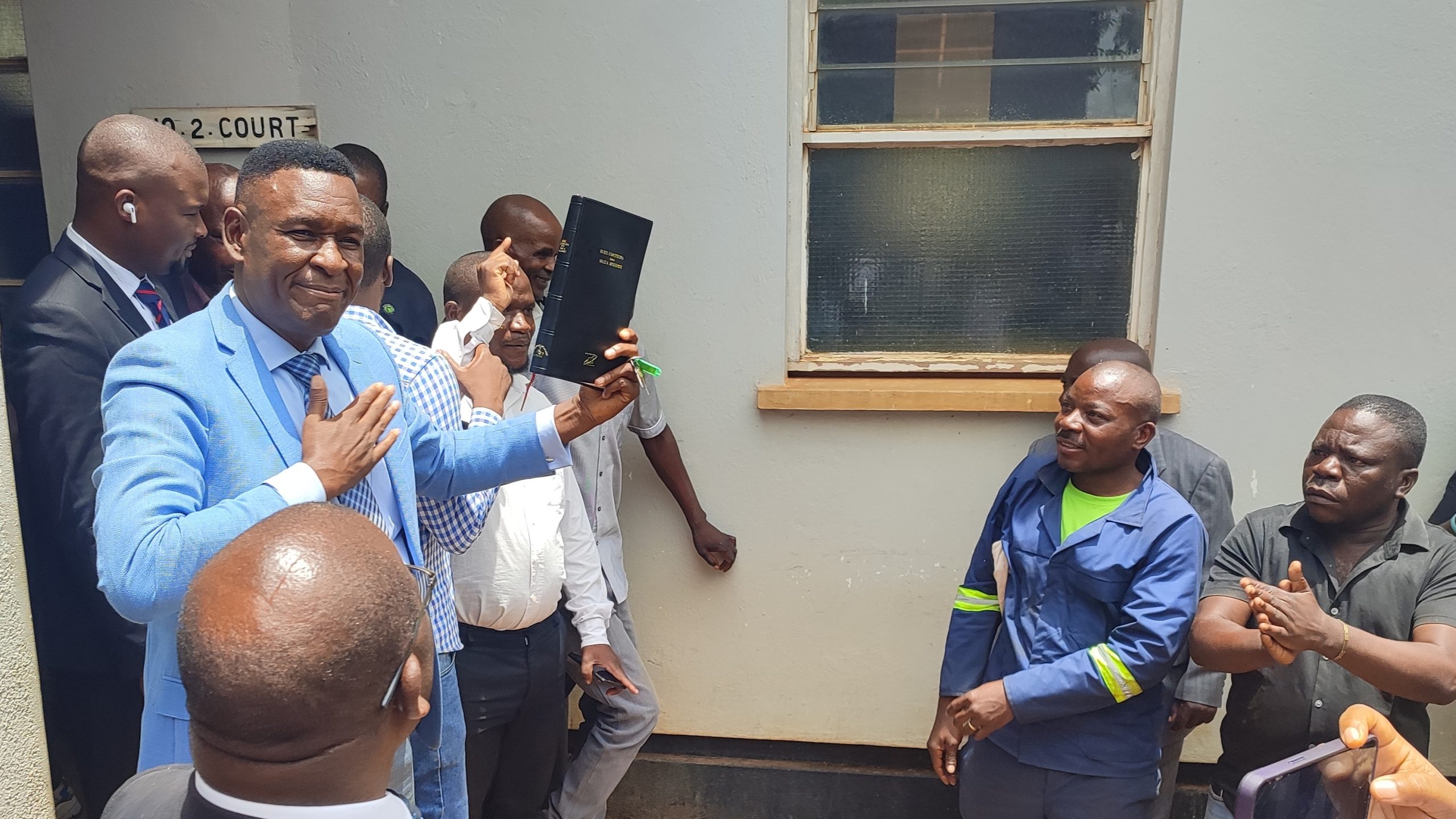
Malawi Supreme Court: Endorses Chisale Forfeiture Proceedings Termination
The Malawi Supreme Court of Appeal recently endorsed an agreed order between Deputy Minister of Homeland Security Norman Chisale, six other applicants, and the Director of Public Prosecutions (DPP) Fostino Maele to terminate forfeiture proceedings.
This endorsement by a single Supreme Court Judge, Dingiswayo Madise, followed a prior refusal by the High Court of Malawi Commercial Division to endorse the same agreed order. The excerpt does not specify the nature of the forfeiture proceedings or the reasons for the High Court's initial reluctance. However, the Supreme Court's decision to validate the agreement between the parties marks a significant development in the ongoing legal process concerning the applicants.
This ruling carries substantial legal significance, particularly in the realm of asset recovery and public law. It highlights the appellate function of the Supreme Court in reviewing and, in this instance, validating agreements that lower courts may have initially questioned. For practitioners, it underscores the complexities involved in negotiating and enforcing settlement agreements in matters concerning state assets or allegations of illicit enrichment, especially when high-ranking public officials are involved. The outcome demonstrates the potential for different judicial interpretations of such agreements across the court hierarchy and the ultimate authority of the Supreme Court in such matters.
The legal context involves the Malawian court hierarchy, specifically the High Court (Commercial Division) and the Supreme Court of Appeal, which is the highest appellate court. The case likely falls under legislation related to asset forfeiture, proceeds of crime, or anti-corruption, which grants powers to the DPP to initiate and potentially settle such proceedings. The High Court's initial refusal and the Supreme Court's subsequent endorsement suggest differing views on the legality, appropriateness, or public interest implications of the agreed order, possibly touching upon principles of prosecutorial discretion or the scope of judicial oversight. The key parties involved are the Malawi Supreme Court of Appeal (Judge Dingiswayo Madise), the High Court of Malawi Commercial Division, Deputy Minister of Homeland Security Norman Chisale, six other unnamed applicants, and the Director of Public Prosecutions (DPP) Fostino Maele.
Attorneys involved in asset recovery, anti-corruption, or public law litigation should carefully note the Supreme Court's role in overseeing and, at times, endorsing agreements that impact public interest matters. This case emphasizes the importance of understanding the appellate process and the potential for higher courts to intervene in or validate agreements that lower courts may have initially scrutinized. Practitioners should pay close attention to the DPP's powers and discretion in negotiating settlements, as well as the judicial scrutiny these agreements may face at various levels of the court system. It also highlights the need for robust legal arguments when seeking to enforce or challenge such agreements.
How does this affect you?
Get an AI analysis of this article grounded in your jurisdictions, practice areas, and any policy documents you've uploaded to Wansom.
Finish Reading the Full Story and the Expert Analysis.
Get the latest legal & regulatory intelligence in Malawi
Wansom is AI and can make mistakes.