
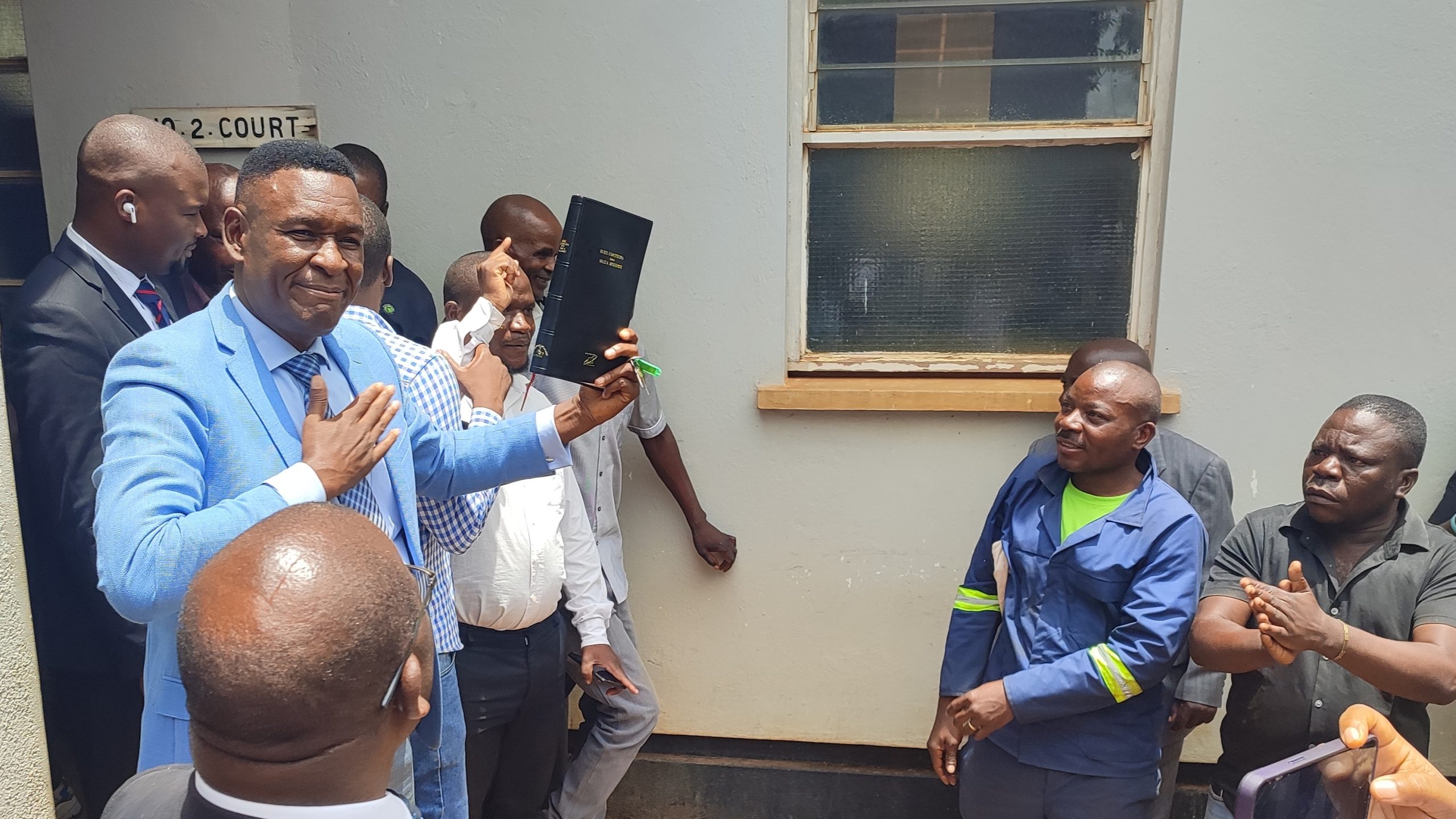
Malawi Supreme Court: Chisale Forfeiture Termination Approved
Summary
- The Malawi Supreme Court of Appeal endorsed an agreed order to terminate asset forfeiture proceedings against Deputy Minister Norman Chisale and six others.
- The agreement was reached between Norman Chisale and Director of Public Prosecutions Fostino Maele.
- This Supreme Court decision, made by Justice Dingiswayo Madise, followed an earlier refusal by the High Court of Malawi Commercial Division to endorse the same order.
- The ruling establishes a significant precedent for the termination of asset forfeiture proceedings in Malawi through agreed orders.
- The endorsement provides clearance for Mr. Chisale and the six other applicants involved in the case.
Supreme Court Endorses Forfeiture Termination
This ruling establishes a precedent for the termination of asset forfeiture proceedings in Malawi through agreed orders, even for high-profile cases.
The Malawi Supreme Court of Appeal has officially sanctioned a consent agreement that effectively brings an end to asset forfeiture proceedings against Deputy Minister of Homeland Security Norman Chisale and six other individuals. This significant ruling by the nation's highest court provides a definitive resolution to a high-profile case involving allegations of illicit enrichment and property seizure.
The agreed order, which received the Supreme Court's endorsement, was initially brokered between Mr. Chisale and the Director of Public Prosecutions (DPP), Fostino Maele. The termination of these `Norman Chisale forfeiture proceedings Malawi` marks a pivotal moment, signaling the conclusion of a legal battle that had drawn considerable public attention. The decision by the Supreme Court of Appeal to uphold this agreement underscores a particular approach to resolving complex asset recovery disputes within the Malawian legal framework.
Judicial Review and Precedent Setting
The path to the Supreme Court's endorsement was not straightforward. The application for the agreed order to terminate the forfeiture proceedings first came before the High Court of Malawi Commercial Division, which notably declined to sanction the agreement. This initial refusal necessitated an appeal to the Supreme Court, where the matter was heard by a single judge, Justice Dingiswayo Madise.
Justice Madise's decision to endorse the `DPP Fostino Maele agreed order` effectively overturned the High Court's earlier stance. This judicial action by the `Supreme Court of Appeal Dingiswayo Madise` sets a crucial `Malawi asset forfeiture termination precedent`, demonstrating that such agreements, even in cases of significant public interest and involving high-ranking officials, can be legally binding and enforceable at the highest judicial level. The Supreme Court's intervention highlights its role in providing finality and clarity on procedural matters, especially when lower courts diverge on the interpretation or application of legal instruments like consent orders in `Malawi commercial division forfeiture` cases.
Implications for Asset Recovery Law
This ruling establishes a precedent for the termination of asset forfeiture proceedings in Malawi through agreed orders, even for high-profile cases. The Supreme Court's endorsement of the agreement between the Deputy Minister and the Director of Public Prosecutions indicates a judicial willingness to recognize negotiated settlements as a legitimate mechanism for resolving asset recovery disputes. This approach could streamline future forfeiture cases, potentially reducing the burden on the courts and offering a more efficient route to resolution for both the state and individuals facing such actions.
The decision by the `Malawi Supreme Court Chisale forfeiture termination` provides important guidance for legal practitioners. Lawyers should note the Supreme Court's endorsement of such agreements, which could inform strategies for negotiating settlements and resolving similar asset recovery disputes. The ability to conclude forfeiture proceedings via a mutually agreed order, now affirmed by the highest court, offers an alternative to protracted litigation, potentially influencing how future cases of asset forfeiture are managed across Malawi.
Practical Implications
This ruling establishes a precedent for the termination of asset forfeiture proceedings in Malawi through agreed orders, even for high-profile cases. Lawyers should note the Supreme Court's endorsement of such agreements, which could inform strategies for negotiating settlements and resolving similar asset recovery disputes.
Source
How does this affect you?
Get an AI analysis of this article grounded in your jurisdictions, practice areas, and any policy documents you've uploaded to Wansom.
Finish Reading the Full Story and the Expert Analysis.
Get the latest legal & regulatory intelligence in Malawi
Wansom is AI and can make mistakes.