
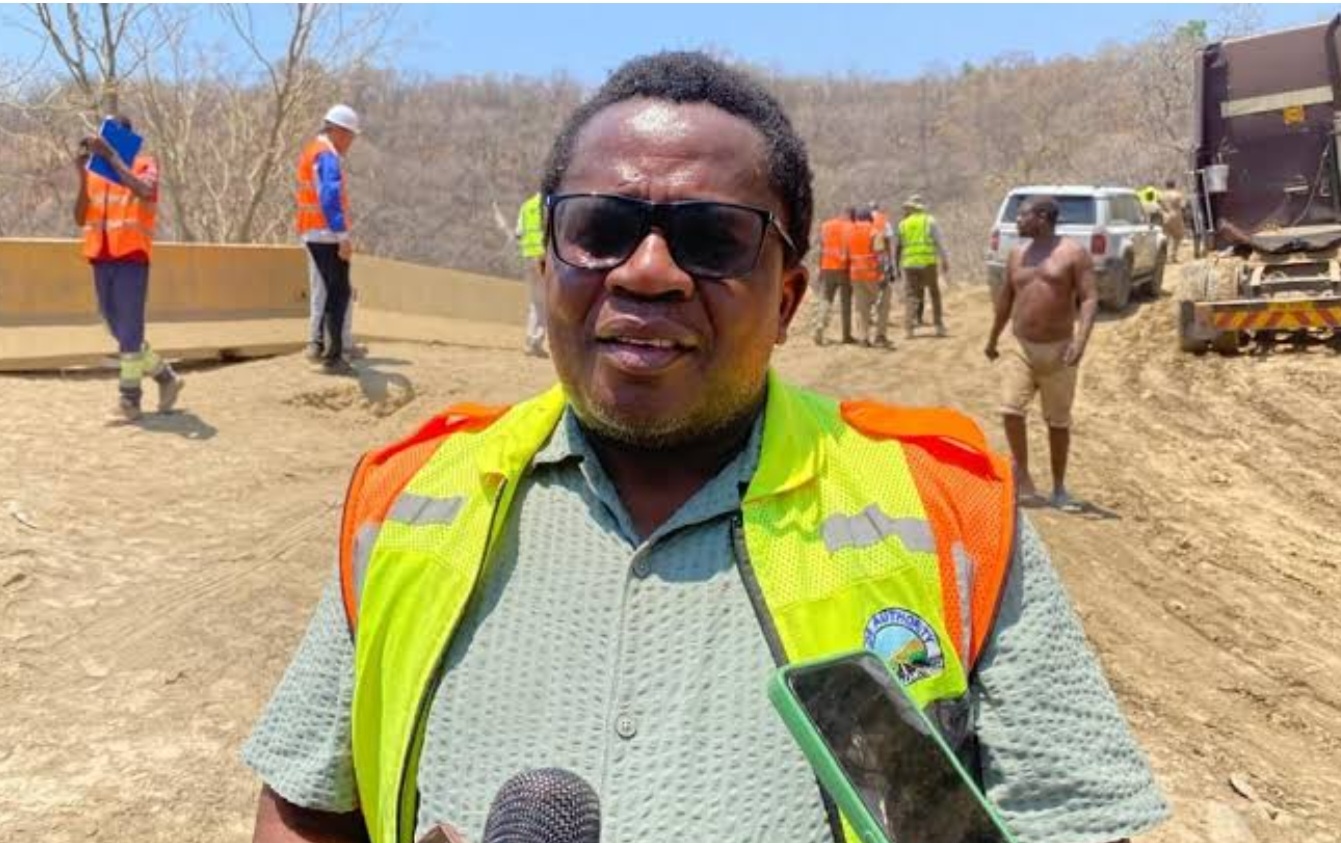
Malawi Roads Authority: Defends K587bn Contracts Challenge
Summary
- The Roads Authority is defending K587.12 billion in contracts for the Chiweta-Karonga M1 rehabilitation.
- This defense follows concerns raised by the Human Rights Defenders Coalition (HRDC).
- The Authority insists the procurement process was competitive and compliant with established rules.
- Suggestions of impropriety regarding the contracts have been rejected by the Authority.
What Happened
The sheer scale of the K587.12 billion contracts makes the integrity of their award process a matter of paramount public interest, particularly in the context of Malawi public procurement disputes.
The Roads Authority in Malawi has mounted a robust defense regarding its decision to award contracts totaling K587.12 billion for the extensive rehabilitation of the Chiweta-Karonga section of the M1 highway. This significant financial commitment, aimed at improving a crucial part of the national road network, has drawn considerable attention. The Authority's firm stance comes in direct response to concerns publicly articulated by the Human Rights Defenders Coalition (HRDC), a prominent civil society organization known for its advocacy in Malawi. The Authority has unequivocally rejected any suggestions of impropriety, maintaining that the entire procurement process was conducted with utmost competitiveness and in strict compliance with all established rules and regulations.
This public declaration by the Roads Authority highlights a notable instance of public procurement scrutiny in Malawi. The substantial value of the contracts, K587.12 billion, for the Chiweta-Karonga M1 rehabilitation tender, naturally places the process under a magnifying glass. The Authority's proactive engagement to defend its actions underscores the pressure it faces from civil society to ensure transparency and accountability in the allocation of large-scale government infrastructure projects. The dispute centers on the integrity of the tender process itself, with the Authority asserting its adherence to best practices.
Procurement Compliance Under Scrutiny
In its comprehensive response, the Roads Authority emphatically dismissed any allegations suggesting misconduct or procedural irregularities within the tender process for the K587.12 billion Chiweta-Karonga M1 rehabilitation project. The Authority's official position is that every aspect of the procurement was executed in a manner that was not only competitive but also fully compliant with all applicable legal and administrative rules. This assertion directly addresses the core of the concerns raised by the HRDC, positioning the Authority as an entity committed to transparent and lawful operations in its management of Malawi road contracts.
The sheer scale of the K587.12 billion contracts makes the integrity of their award process a matter of paramount public interest, particularly in the context of Malawi public procurement disputes. The Authority's insistence on the process's competitiveness implies that a rigorous selection mechanism was employed, involving multiple potential bidders, with final decisions based on objective criteria and adherence to stipulated guidelines. Such public declarations are vital for fostering and maintaining public trust, especially when significant public funds are allocated for critical infrastructure development projects. The Roads Authority Malawi procurement compliance is thus a central theme in this ongoing discussion.
Civil Society's Oversight Role
The intervention by the Human Rights Defenders Coalition (HRDC) serves as a clear indicator of the expanding and increasingly influential role that civil society organizations play in scrutinizing government expenditure and procurement practices across Malawi. The HRDC's decision to voice concerns regarding the K587.12 billion road contracts signifies a vigilant approach to ensuring accountability and transparency in major public sector projects. Their challenge was significant enough to prompt the Roads Authority to issue a detailed and robust public defense, thereby illustrating the considerable impact such advocacy groups can exert on public administration and governance.
This particular scenario exemplifies a broader trend where non-governmental bodies, such as the Human Rights Defenders Coalition Malawi, actively engage in oversight of substantial public works, especially those involving considerable financial outlays. The HRDC's concerns, while not explicitly detailed in the source, were sufficient to compel the Roads Authority to publicly affirm its procurement compliance, highlighting the dynamic and often challenging interplay between government agencies and civil society watchdogs. This interaction is crucial for safeguarding public resources and promoting ethical governance within the nation's infrastructure development initiatives.
Practical Implications
Lawyers advising clients on public procurement in Malawi should note the increased scrutiny from civil society organizations like HRDC on large infrastructure contracts. This case highlights the need for robust compliance and transparency in tender processes to mitigate potential challenges and reputational risks for both government bodies and bidding contractors.
Source
How does this affect you?
Get an AI analysis of this article grounded in your jurisdictions, practice areas, and any policy documents you've uploaded to Wansom.
Finish Reading the Full Story and the Expert Analysis.
Get the latest legal & regulatory intelligence in Malawi
Wansom is AI and can make mistakes.